




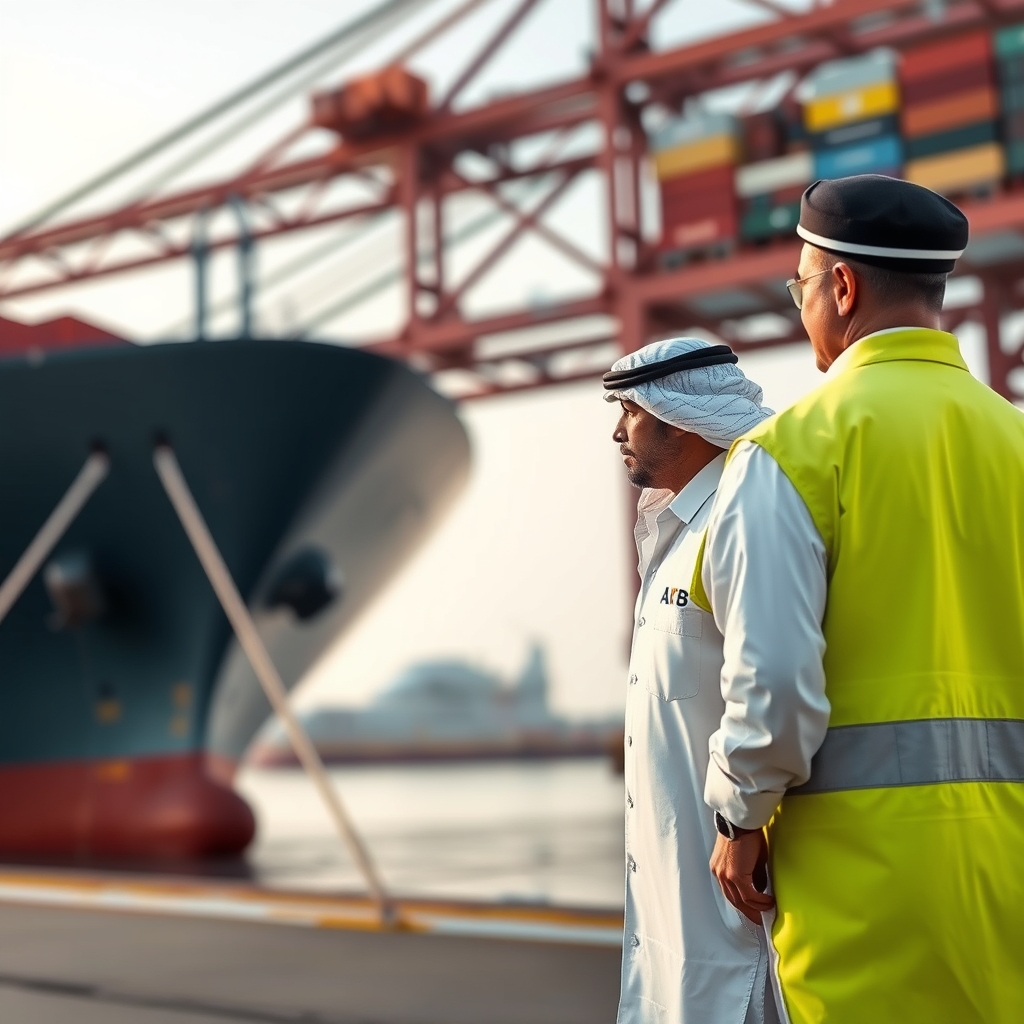














Now Reading: Hormuz Oil Trade Rebounds Despite Rising Gulf Tensions
-
01
Hormuz Oil Trade Rebounds Despite Rising Gulf Tensions
Hormuz Oil Trade Rebounds Despite Rising Gulf Tensions
Advertisement

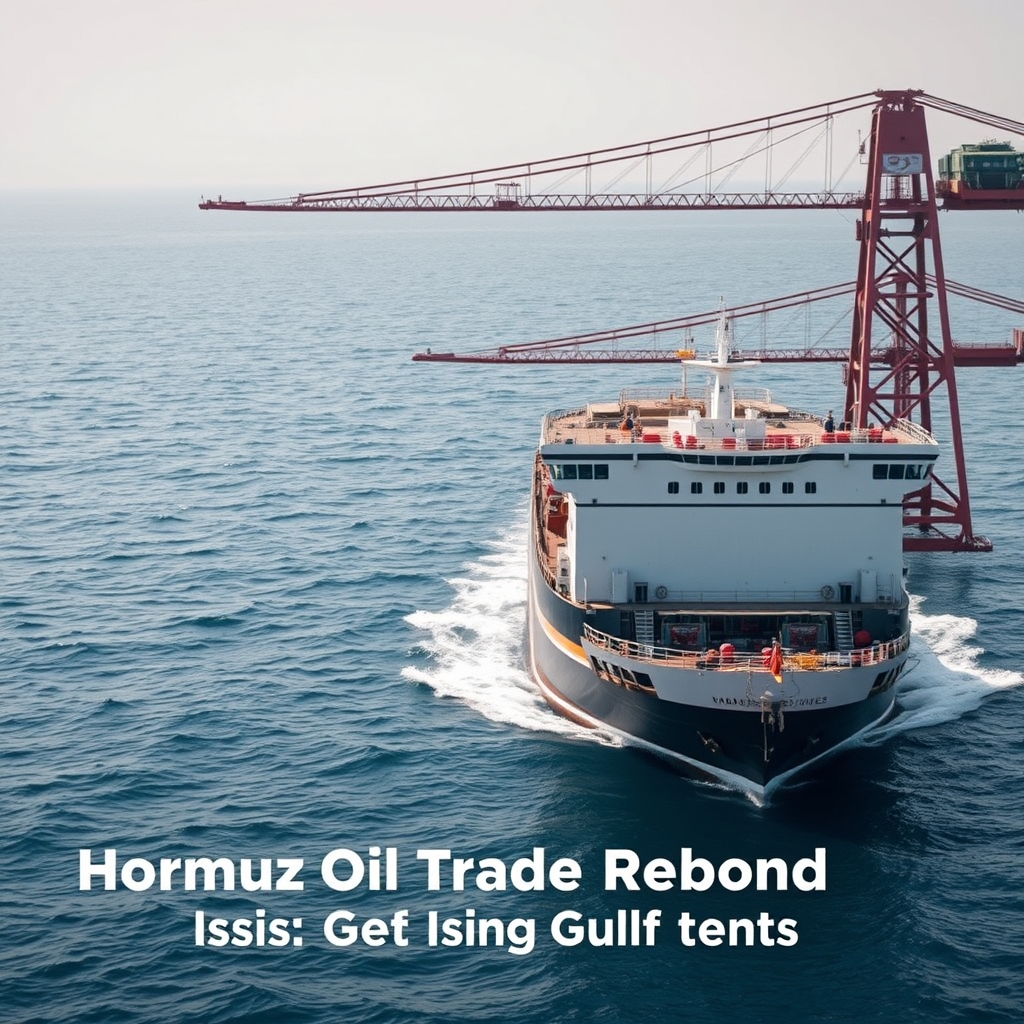
Hormuz oil shuttle trade is rebounding even as Gulf tensions persist. Here's what the recovery means for energy markets and the wider region. Click to read.
Oil shuttle trade through the Strait of Hormuz is picking up again even as geopolitical tensions across the Gulf remain elevated. Traders and shipping operators are reporting a notable upturn in activity along one of the world’s most strategically critical energy corridors, signaling that commercial momentum is outpacing political uncertainty for now.
What Is the Hormuz Oil Shuttle Trade?
The Hormuz shuttle trade refers to the movement of crude oil and refined petroleum products through the Strait of Hormuz, the narrow waterway between Oman and Iran that connects the Persian Gulf to the Gulf of Oman and beyond. Roughly a fifth of the world’s traded oil passes through this chokepoint, making any disruption there a global energy event.
Shuttle trading, specifically, involves shorter-haul cargo movements between Gulf ports and offshore transfer points, often used by traders to reposition cargoes quickly in response to market shifts or sanctions-related rerouting.
Why Is Trade Rebounding Now?
The recovery comes against a backdrop of persistent regional friction, including ongoing concerns about Iranian naval activity and broader uncertainty tied to nuclear negotiations. Yet buyers across Asia, particularly from India and China, have continued to pull cargoes from Gulf producers, sustaining demand that keeps vessels moving through the strait.
Shipping sources cited in the original report point to a business upturn driven by a combination of resilient demand, competitive Gulf crude pricing, and the practical reality that alternative shipping routes are significantly longer and more expensive.
Why It Matters for the Gulf
For UAE exporters, Saudi Aramco, and other Gulf producers, a healthy Hormuz corridor is not just a logistics issue. It is the primary artery through which billions of dollars in hydrocarbon revenue flow every month. A slowdown in shuttle activity, even a temporary one, can ripple through freight rates, insurance premiums, and ultimately government budgets across the GCC.
The rebound also carries weight for Abu Dhabi and Dubai, both of which have positioned themselves as regional trading and re-export hubs. Stronger throughput through Hormuz supports port activity at Jebel Ali and Fujairah, the latter serving as a critical bunkering and oil storage hub just outside the strait.
How Gulf Oil Routes Compare Under Pressure
| Route | Key Advantage | Key Risk |
|---|---|---|
| Strait of Hormuz | Shortest, highest volume | Geopolitical chokepoint |
| Saudi East-West Pipeline | Bypasses Hormuz entirely | Limited capacity, Saudi only |
| UAE Habshan-Fujairah Pipeline | UAE crude exits below Hormuz | Does not serve all producers |
| Cape of Good Hope Rerouting | Avoids Middle East entirely | Adds weeks and significant cost |
What Happens If Tensions Escalate Again?
Market watchers are not dismissing the risks. Any serious military incident in or near the strait would trigger immediate spikes in war-risk insurance premiums and could prompt tanker operators to suspend transits, as has happened during past flare-ups. The current rebound in shuttle trade reflects confidence, but it is confidence built on a fragile foundation.
Gulf states have invested heavily in bypass infrastructure precisely because of this vulnerability. Yet the economics of Hormuz remain so favorable that most operators continue to prefer it over longer alternatives unless the threat level becomes direct and immediate.
What Traders and Operators Are Watching
The trajectory of US-Iran diplomatic talks, patrol activity by the Islamic Revolutionary Guard Corps Navy, and any further Houthi-linked disruptions in the Red Sea are all variables that feed into shipping decisions around Hormuz. A deterioration on any of these fronts could reverse the current upturn quickly.
For now, though, the commercial logic of moving Gulf oil through its natural exit point is winning out, and the rebound in shuttle trade is one of the clearer signals that the energy business continues to adapt around political headwinds rather than waiting for them to clear.
Disclaimer: This article covers geopolitical and energy market developments. It does not constitute financial or investment advice.
As Gulf tensions show no sign of a permanent resolution, do you think the region’s oil infrastructure is resilient enough to handle a serious Hormuz disruption, or are producers and traders taking on more risk than they acknowledge? Share your thoughts in the comments below.

Related Posts



Stay Informed With the Latest & Most Important News
Previous Post
Next Post






Advertisement

-
 01UAE Team Emirates Stays Close in UCI Rankings Thanks to Tuckwell
 -
 02UAE E-Commerce Trends 2026: Why the Market Moves Fast
 -
 03Dubai Summer Surprises 2026: Full Arab Concert Lineup
 -
 04Sheikh Mohamed at G7: UAE Pledges Global Stability Role
 -
 05Windshield Sunshade in UAE Heat: Does It Actually Work?
 -
 06UAE Stocks Rally as Iran Ceasefire Talks Lift Gulf Markets
 -
 07Gulf Investors Blocked by European Rules, Saudi PIF Warns