
















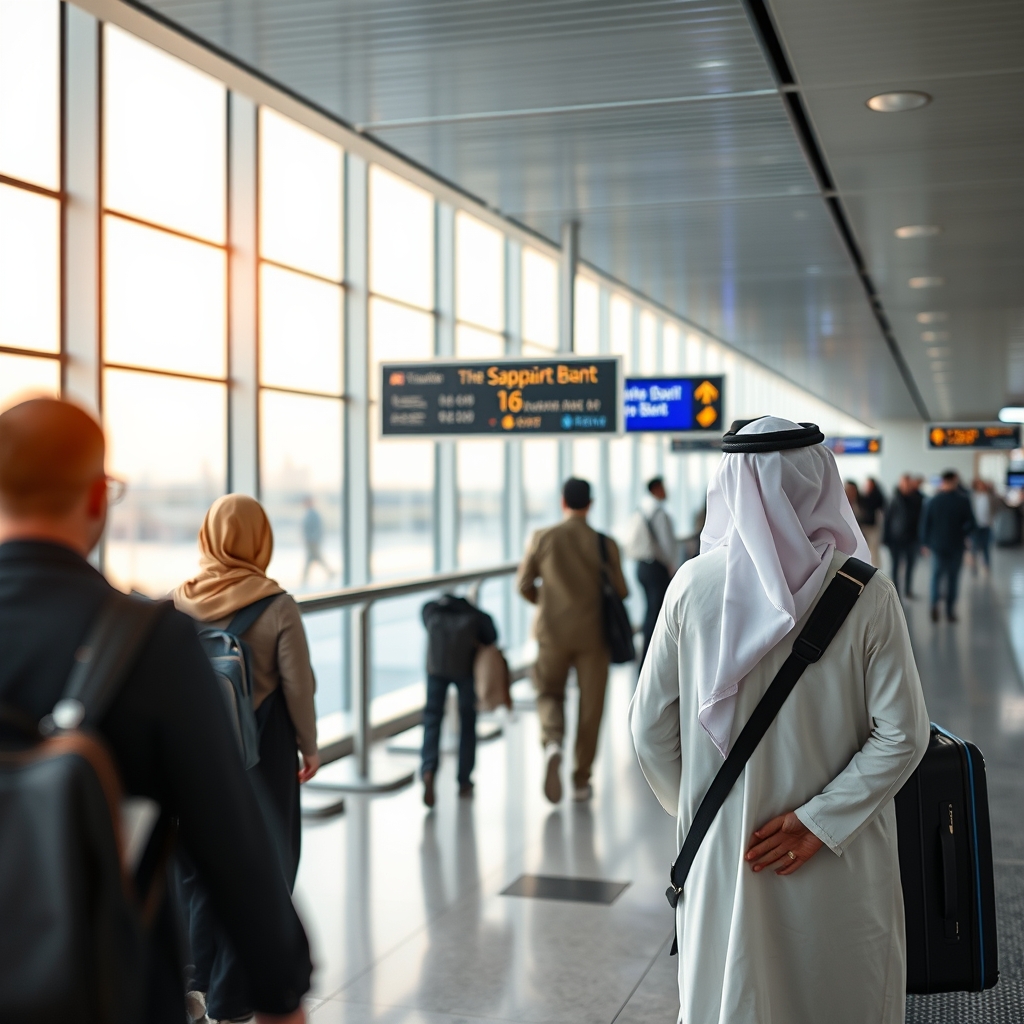

Now Reading: Air Canada Dubai Flights Suspended Until January 2027
-
01
Air Canada Dubai Flights Suspended Until January 2027
Air Canada Dubai Flights Suspended Until January 2027
Advertisement

Air Canada extends its Dubai and Tel Aviv flight suspensions through mid-January 2027. Here's what Gulf travellers need to know before booking.
Air Canada will keep its Dubai and Tel Aviv routes grounded until mid-January 2027, pushing the suspension well past the one-year mark. The decision affects travellers between the UAE and Canada who were hoping for a resumption in the near term, and signals continued caution from the carrier over regional stability.
How Long Has Air Canada Been Out of Dubai?
The Canadian flag carrier suspended its Dubai International Airport service alongside its Tel Aviv route as tensions escalated across the Middle East. The latest extension now stretches that pause to mid-January 2027, according to the original report by Travelweek. No restart date has been confirmed beyond that revised deadline.
Why It Matters for the Gulf
Dubai is one of the world’s busiest aviation hubs, and the absence of Air Canada affects a sizable community of Canadians living and working across the UAE. It also squeezes options for Gulf residents who travel to Canada for education, business or tourism, forcing them onto connecting itineraries through European or other Gulf carriers.
The UAE is home to a large Canadian expatriate population, and direct air links are a key part of keeping those ties practical and affordable. Every extension of this suspension adds friction, longer travel times and, often, higher fares through indirect routing.
Which Routes Are Affected?
| Route | Status | Suspension Extended To |
|---|---|---|
| Air Canada, Dubai (DXB) | Suspended | Mid-January 2027 |
| Air Canada, Tel Aviv (TLV) | Suspended | Mid-January 2027 |
What Are the Alternatives for UAE Travellers?
Passengers needing to reach Canada from Dubai or Abu Dhabi currently have to route through hubs such as London Heathrow, Frankfurt or other connecting points. Emirates, Etihad and Qatar Airways all offer connections to Canadian cities, though travel times are longer and costs vary significantly depending on the season.
Some travellers are choosing to book through European carriers that still operate transatlantic service, piecing together itineraries that work but lack the convenience of a direct flight.
Why Is Air Canada Keeping These Routes Grounded?
Airlines base these decisions on a combination of factors: crew safety protocols, insurance costs for flying over certain airspace, passenger demand forecasts and regulatory guidance. With the broader regional situation still unresolved, Air Canada has clearly decided the risk calculation does not yet support a return. The Tel Aviv suspension, directly tied to the ongoing conflict in Gaza, is perhaps more self-explanatory, but the Dubai extension suggests the airline is treating the wider region with the same cautious lens.
What Should Travellers Do Now?
If you had bookings on Air Canada to or from Dubai, contact the airline directly to understand your rebooking or refund options. Most carriers offer flexibility on suspended routes, but policies differ and deadlines apply. Check Air Canada’s official website for the latest guidance, and monitor updates as mid-January 2027 approaches, since further extensions remain possible if conditions do not improve.
Travel agents operating in the Gulf say demand for Canada routes remains strong despite the disruption, so alternative flights are booking up quickly, particularly around school holiday periods.
If and when Air Canada does restore its Dubai service, will you choose them over the Gulf carriers you have relied on in the meantime? Let us know in the comments below.

Related Posts


Stay Informed With the Latest & Most Important News
Previous Post
Next Post







Advertisement

-
 01UAE Team Emirates Stays Close in UCI Rankings Thanks to Tuckwell
 -
 02UAE E-Commerce Trends 2026: Why the Market Moves Fast
 -
 03Dubai Summer Surprises 2026: Full Arab Concert Lineup
 -
 04Sheikh Mohamed at G7: UAE Pledges Global Stability Role
 -
 05Windshield Sunshade in UAE Heat: Does It Actually Work?
 -
 06UAE Stocks Rally as Iran Ceasefire Talks Lift Gulf Markets
 -
 07Gulf Investors Blocked by European Rules, Saudi PIF Warns