















Now Reading: UAE Data Centres Importance Surpasses Bridges, Says AI Minister
-
01
UAE Data Centres Importance Surpasses Bridges, Says AI Minister
UAE Data Centres Importance Surpasses Bridges, Says AI Minister

Advertisement

UAE data centres importance surpasses bridges, according to the AI minister. Learn why this shift matters for the Gulf's digital future and what plans are in place.
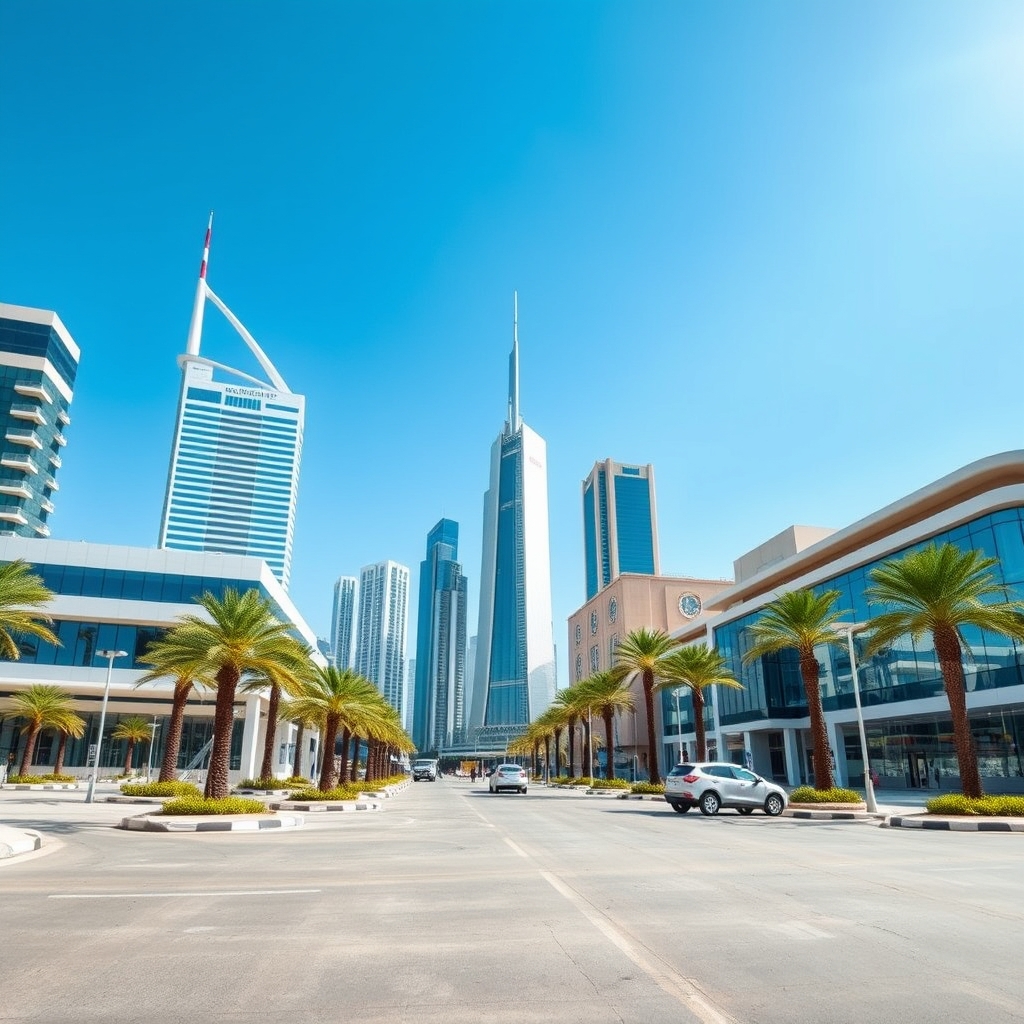
UAE Minister of State for Artificial Intelligence, Omar Al Olama, declared that data centres now hold more strategic value than physical bridges, signaling a national pivot toward a cloud‑first economy.
What did the UAE AI minister say about data centres?
During a recent technology forum, Al Olama compared the role of data centres to that of historic engineering feats such as bridges. He argued that modern societies rely on uninterrupted data flow to power finance, health, education and government services.
Why are data centres critical for the Gulf?
The Gulf region hosts a growing pool of digital startups and multinational cloud providers. Reliable data hubs reduce latency, protect sovereignty and enable real‑time analytics for oil‑field monitoring, tourism platforms and smart‑city initiatives.
For the UAE, which aims to diversify away from oil, secure digital infrastructure offers a new competitive edge. Local businesses can store data within national borders, avoiding cross‑border regulatory hurdles.
How is the UAE boosting its digital infrastructure?
The government has announced incentives for foreign investors to build Tier‑4 facilities in free zones. Tax breaks, streamlined licensing and access to renewable‑energy grids form the backbone of the plan.
Education ministries are adding cloud‑computing curricula, ensuring a skilled workforce to manage and expand these facilities. Partnerships with global tech giants accelerate knowledge transfer.
What does “more important than bridges” really mean?
Bridges physically connect cities; data centres virtually connect economies. A single outage can halt banking transactions, disrupt traffic‑management systems and freeze online services across the Emirates.
Al Olama’s statement underscores the need for redundancy, cybersecurity and sustainable power sources to keep digital highways open 24/7.
Comparison: Data Centre vs Traditional Infrastructure
| Infrastructure | Primary Benefit |
|---|---|
| Data Centre | Real‑time data processing and storage |
| Bridge | Physical transport of goods and people |
How will this shift affect everyday life?
Consumers will notice faster loading times for e‑commerce sites, smoother video calls with overseas relatives and more reliable smart‑home devices.
Public services, such as e‑government portals and health‑record systems, will experience reduced downtime, enhancing citizen trust.
What are the environmental considerations?
The UAE plans to power new data centres with solar and wind energy, aligning with the nation’s Net Zero 2050 target. Efficient cooling systems will lower water usage compared to traditional data‑centre models.
Regional competition and collaboration
Saudi Arabia and Qatar are also investing heavily in cloud infrastructure. The UAE’s early focus on AI‑driven data management could give it a first‑mover advantage.
Cross‑border data‑exchange agreements are being drafted to ensure seamless connectivity while respecting each country’s data‑privacy laws.
What challenges remain?
Cybersecurity threats continue to evolve, demanding constant upgrades to defense mechanisms. Talent retention remains a hurdle as global tech firms compete for the same engineers.
Regulatory frameworks must keep pace with rapid technological change to avoid stifling innovation.
Why it matters for the Gulf
The Gulf’s economic diversification strategy hinges on digital resilience. Robust data centres enable fintech growth, support renewable‑energy management and attract multinational tech firms seeking a secure Middle‑East hub.
By treating data centres as critical national assets, the UAE sets a precedent that could reshape investment priorities across the region.
Read the full details in the original report.
How do you think the UAE’s focus on data centres will influence everyday life in the Emirates?

Related Posts

Stay Informed With the Latest & Most Important News
Previous Post
Next Post
Previous Post

Next Post






Advertisement

-
 01UAE Team Emirates Stays Close in UCI Rankings Thanks to Tuckwell
 -
 02UAE E-Commerce Trends 2026: Why the Market Moves Fast
 -
 03Dubai Summer Surprises 2026: Full Arab Concert Lineup
 -
 04Sheikh Mohamed at G7: UAE Pledges Global Stability Role
 -
 05Windshield Sunshade in UAE Heat: Does It Actually Work?
 -
 06UAE Stocks Rally as Iran Ceasefire Talks Lift Gulf Markets
 -
 07Gulf Investors Blocked by European Rules, Saudi PIF Warns