


















Now Reading: Gulf Investors Blocked by European Rules, Saudi PIF Warns
-
01
Gulf Investors Blocked by European Rules, Saudi PIF Warns
Gulf Investors Blocked by European Rules, Saudi PIF Warns
Advertisement

Saudi PIF governor says European regulations are hurting Gulf investors. Here's what it means for UAE and GCC capital flows into Europe. Click to read.
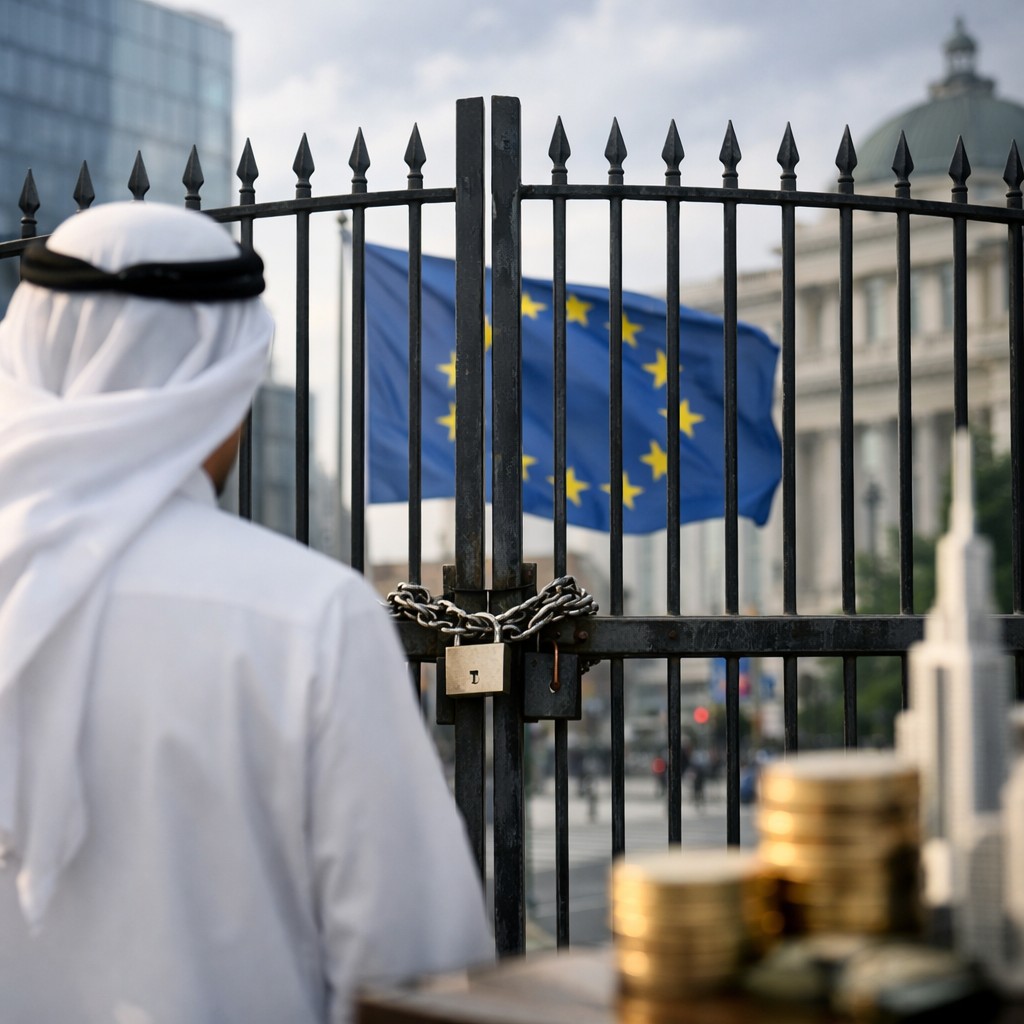
The governor of Saudi Arabia’s Public Investment Fund has delivered a pointed warning: European regulatory frameworks are creating real barriers for Gulf-based investors looking to deploy capital into European markets. The message puts pressure on European policymakers to reconsider rules that risk pushing sovereign wealth and private Gulf money toward other destinations.
What Did the Saudi PIF Governor Actually Say?
PIF Governor Yasir Al-Rumayyan stated publicly that current European regulations are hurting Gulf investors, according to the original report from Arabian Business. The criticism targets compliance burdens, disclosure requirements, and investment restrictions that make European markets harder to access compared to other global financial centres.
Al-Rumayyan’s remarks carry significant weight. PIF manages assets worth hundreds of billions of dollars and has emerged as one of the world’s most active sovereign wealth funds, with stakes spanning technology, real estate, entertainment, and infrastructure globally.
Why Are European Rules a Problem for Gulf Capital?
European financial regulation, including frameworks around alternative investment funds and foreign direct investment screening, has grown considerably more complex over the past decade. For Gulf sovereign funds and family offices, the compliance costs and approval timelines can make European allocations less attractive than comparable opportunities in Asia or North America.
The concern is not simply bureaucratic frustration. When large pools of Gulf capital face friction entering a market, fund managers redirect that capital elsewhere. Europe risks losing out on long-term, patient capital, precisely the kind of investment its infrastructure and green transition projects need most.
Why It Matters for the Gulf
The UAE and Saudi Arabia have spent years cultivating relationships with European counterparts, positioning Gulf sovereign funds as constructive, long-term partners rather than opportunistic buyers. If European rules continue to complicate those relationships, the calculus shifts.
For UAE-based investors and family offices with European exposure, the PIF governor’s comments reflect a frustration that is widely shared but rarely stated this openly at senior levels. Dubai and Abu Dhabi have both worked to attract European capital inward while simultaneously pushing Gulf capital outward into global markets. Barriers in one direction tend to cool enthusiasm in both.
Key Pressure Points Gulf Investors Face in Europe
- Foreign Direct Investment Screening: Several EU member states have tightened FDI review processes, adding months to deal timelines.
- Alternative Investment Fund Manager Directive (AIFMD): Compliance requirements create significant administrative overhead for non-EU fund managers.
- ESG Disclosure Rules: European sustainability reporting standards require documentation that Gulf funds are still building capacity to produce.
- Tax Transparency Requirements: Automatic information exchange rules add complexity for GCC-based structures.
Is Europe Listening?
European officials have periodically acknowledged the need to attract more foreign institutional capital, particularly as the bloc competes with the United States and Asia for investment flows. The EU’s Capital Markets Union project is partly aimed at reducing fragmentation and friction. But progress has been slow, and the regulatory direction has generally added requirements rather than removed them.
Al-Rumayyan’s public statement at a high-profile forum is a diplomatic signal. PIF and its Gulf peers are telling European partners directly: the cost of doing business here is rising, and alternatives exist.
What This Means for GCC-Europe Investment Flows
Gulf sovereign wealth funds collectively represent some of the largest pools of investable capital on the planet. Saudi Arabia’s PIF alone has a mandate to grow significantly over the coming years. Europe has historically been a favoured destination for Gulf real estate, financial assets, and strategic stakes in listed companies.
If regulatory friction persists, the shift may be gradual, but it compounds over time. Deals not done, relationships not built, and allocations quietly redirected to markets with simpler entry rules all add up.
For UAE investors watching closely, the message is relevant beyond Saudi borders. Abu Dhabi’s ADIA and Mubadala face similar regulatory landscapes when they look at European opportunities. A push for clearer, more accessible rules benefits the entire Gulf investment community.
Disclaimer: This article covers financial and investment policy topics. It does not constitute investment advice. Readers should consult qualified financial advisers before making investment decisions.
Do you think European regulators will respond to Gulf pressure, or will GCC capital simply find easier markets elsewhere? Share your thoughts in the comments below.

Related Posts


Stay Informed With the Latest & Most Important News
Previous Post
Next Post






Advertisement

-
 01UAE Team Emirates Stays Close in UCI Rankings Thanks to Tuckwell
 -
 02UAE E-Commerce Trends 2026: Why the Market Moves Fast
 -
 03Dubai Summer Surprises 2026: Full Arab Concert Lineup
 -
 04Sheikh Mohamed at G7: UAE Pledges Global Stability Role
 -
 05Windshield Sunshade in UAE Heat: Does It Actually Work?
 -
 06UAE Stocks Rally as Iran Ceasefire Talks Lift Gulf Markets
 -
 07Gulf Investors Blocked by European Rules, Saudi PIF Warns