
















Now Reading: Israel-Hezbollah Ceasefire: What the Deal Means for the Region
-
01
Israel-Hezbollah Ceasefire: What the Deal Means for the Region
Israel-Hezbollah Ceasefire: What the Deal Means for the Region
Advertisement

Israel and Hezbollah have agreed to a ceasefire, pausing months of cross-border conflict. Here's what the deal means for the Gulf and the wider Middle East.
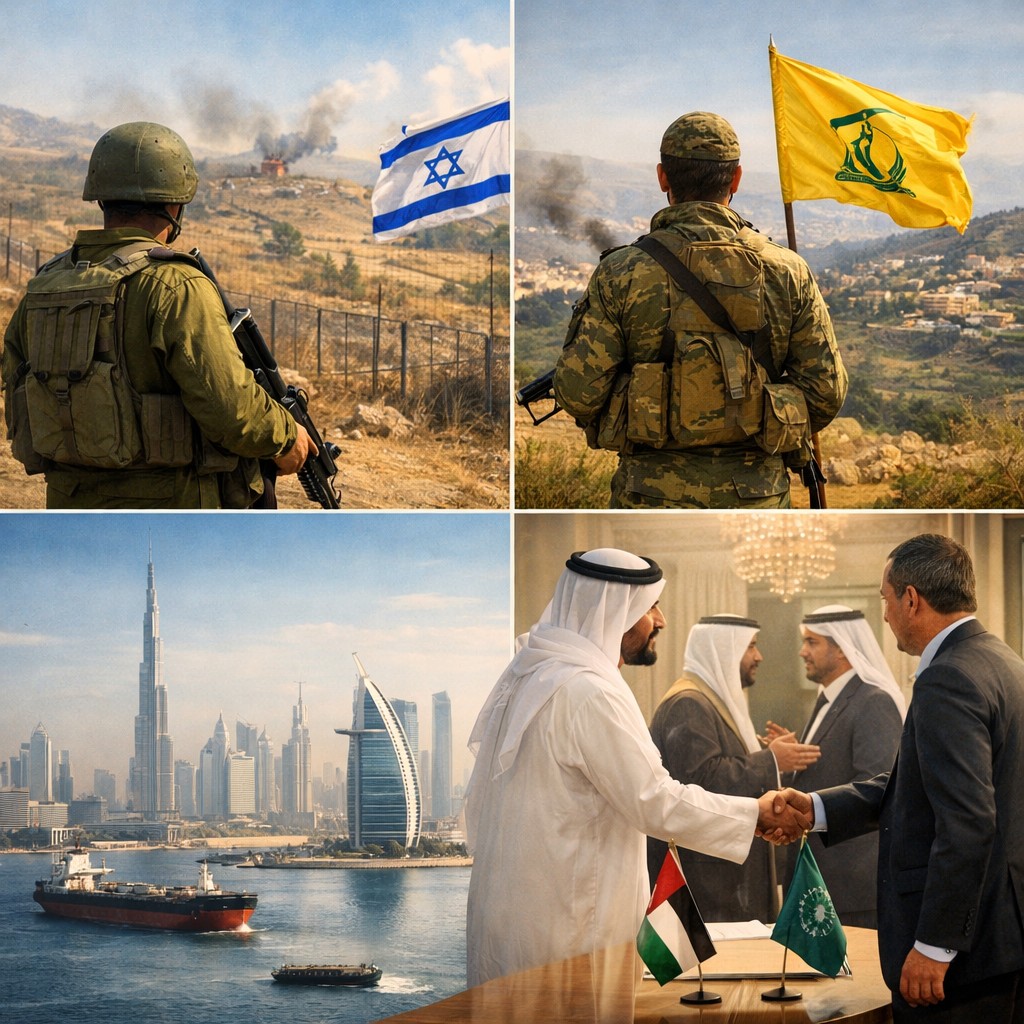
Israel and Hezbollah have reached a ceasefire agreement, halting one of the most intense periods of cross-border fighting between the two sides in nearly two decades. The deal, brokered with international involvement, pauses hostilities that had displaced hundreds of thousands of people in both Lebanon and northern Israel and raised alarm across the wider Middle East.
What Triggered the Ceasefire Agreement?
The conflict escalated sharply after months of exchanges of fire tied to the broader regional tensions following the Gaza war. Hezbollah had been launching rockets and drones into northern Israel, while Israel carried out extensive airstrikes across southern Lebanon and Beirut’s southern suburbs. The scale of the destruction, combined with diplomatic pressure from the United States and other international actors, pushed both sides toward a pause in fighting.
The ceasefire terms, according to reports from Dubai Eye 103.8, include provisions for an initial pause in hostilities, with longer-term arrangements to be negotiated separately.
Why It Matters for the Gulf
For Gulf states, a ceasefire along the Israel-Lebanon border is more than a distant headline. The conflict had sharpened fears of a broader regional war, one that could threaten shipping lanes, energy markets, and the economic stability that underpins Gulf growth strategies.
Oil prices had been sensitive to every escalation throughout the conflict. A sustained ceasefire removes, at least temporarily, one of the key geopolitical risk factors that traders and investors had been pricing in. Gulf airlines and tourism sectors had also been monitoring the situation closely, given the disruption caused by airspace restrictions over parts of the region.
For countries like the UAE and Saudi Arabia, which have pursued aggressive diplomatic and economic diversification agendas, prolonged instability on their doorstep complicates foreign investment pitches and trade corridor development, including projects tied to the India-Middle East-Europe Economic Corridor.
What Does the Ceasefire Cover?
- An initial halt to active military exchanges between Israeli forces and Hezbollah fighters
- International monitoring mechanisms to oversee compliance
- Provisions relating to the withdrawal of forces from certain areas near the Lebanese border
- Ongoing diplomatic negotiations to address longer-term security arrangements
The framework mirrors elements of UN Security Council Resolution 1701, which ended the 2006 war between Israel and Hezbollah, though implementation of that earlier resolution was widely regarded as incomplete.
How Did the International Community Respond?
The United States played a central role in pushing the agreement forward. European governments and Arab states also welcomed the ceasefire, with several Gulf nations expressing hope that the pause would hold and lead to a broader de-escalation across the region, including in Gaza.
Lebanon’s government, which has operated in a fragile political state for years, faces an enormous reconstruction challenge regardless of how long the ceasefire holds. Beirut had already been struggling economically before the latest round of hostilities intensified.
Can the Ceasefire Hold?
Previous ceasefires between Israel and Hezbollah have frayed quickly. The 2006 agreement took years to produce a relatively stable equilibrium, and even then, tensions never fully subsided. Analysts warn that without a political resolution to the underlying disputes, including the question of Hezbollah’s weapons arsenal and its relationship with Iran, any ceasefire risks being temporary.
Much will depend on whether both sides see a strategic interest in maintaining the pause. Hezbollah has suffered significant losses in leadership and military capacity during this round of fighting. Israel, for its part, has stated objectives that go beyond a simple halt in fire.
What Happens Next?
Diplomatic activity is expected to intensify in the coming days and weeks. The situation in Gaza remains unresolved, and the two conflicts are deeply interlinked. A ceasefire on the Lebanese front does not automatically translate to progress in Gaza, but it does reduce the immediate risk of a full regional war.
Gulf governments will be watching closely to see whether the agreement holds and whether it creates diplomatic space for broader negotiations. For residents and businesses in the UAE and across the Gulf, the ceasefire offers cautious relief, though few are treating it as a final resolution.
For the full details of the ceasefire announcement, read the original report from Dubai Eye 103.8.
Do you think this ceasefire will hold long enough to open the door to a broader peace process in the region? Share your thoughts in the comments below.
Disclaimer: This article covers an ongoing political and military situation. Developments may change rapidly. Readers are encouraged to follow verified news sources for the latest updates.

Related Posts
Stay Informed With the Latest & Most Important News
Previous Post
Next Post







Advertisement

-
 01UAE Team Emirates Stays Close in UCI Rankings Thanks to Tuckwell
 -
 02UAE E-Commerce Trends 2026: Why the Market Moves Fast
 -
 03Dubai Summer Surprises 2026: Full Arab Concert Lineup
 -
 04Sheikh Mohamed at G7: UAE Pledges Global Stability Role
 -
 05Windshield Sunshade in UAE Heat: Does It Actually Work?
 -
 06UAE Stocks Rally as Iran Ceasefire Talks Lift Gulf Markets
 -
 07Gulf Investors Blocked by European Rules, Saudi PIF Warns