














Now Reading: ECB Watches Energy Prices as Middle East Tensions Flare Up
-
01
ECB Watches Energy Prices as Middle East Tensions Flare Up
ECB Watches Energy Prices as Middle East Tensions Flare Up

Advertisement

The ECB is closely tracking energy prices amid renewed Middle East tensions. Here's what it means for the Gulf region and global markets. Click to read more.
The European Central Bank is keeping a close watch on energy markets as renewed tensions across the Middle East raise fresh concerns about price stability in Europe. Policymakers fear any sustained spike in oil and gas costs could complicate efforts to keep inflation under control, with direct consequences for global trade and Gulf exporters.
Why Is the ECB Focused on Middle East Energy Risks?
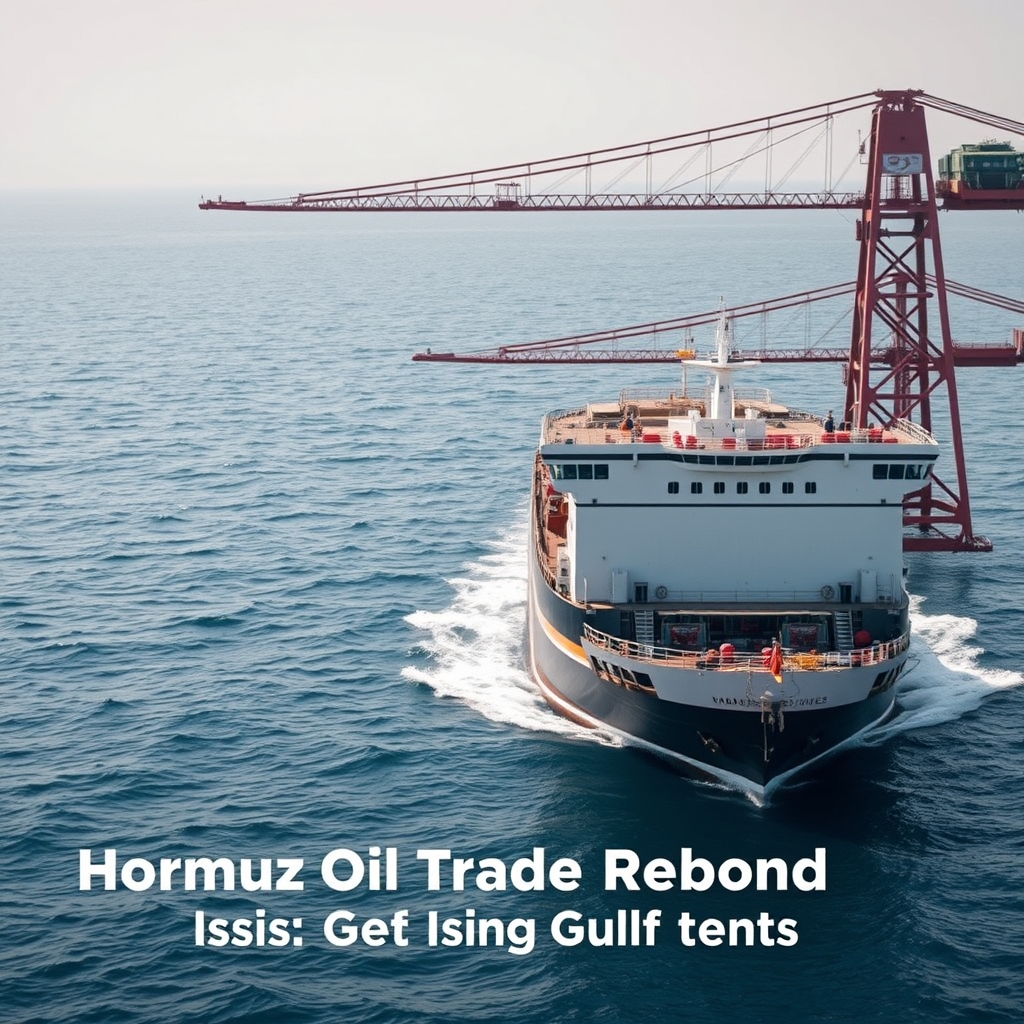
Europe imports a significant share of its energy, making it acutely sensitive to disruptions in Middle Eastern supply routes and production. When conflict or instability threatens key chokepoints, such as the Strait of Hormuz or Red Sea shipping lanes, the knock-on effect on global oil prices can be rapid and severe.
The ECB’s renewed vigilance signals that even as European inflation has eased from its recent peaks, policymakers are not ready to declare victory. Energy remains the wildcard that could unravel months of careful monetary tightening.
What Does This Mean for the Gulf Region?
For Gulf states, the ECB’s concern cuts both ways. Higher energy prices generally benefit oil-producing economies in the GCC, boosting government revenues and supporting spending plans tied to ambitious diversification agendas like Saudi Vision 2030 and the UAE’s economic blueprint.
But prolonged instability in the broader Middle East creates uncertainty that can discourage foreign investment, disrupt regional trade and strain the diplomatic relationships Gulf states have worked hard to build. The UAE in particular, as a major re-export and logistics hub, is sensitive to anything that raises shipping costs or slows global demand.
How Are Energy Markets Responding?
Oil benchmarks have shown volatility in recent sessions as traders price in the possibility of supply disruptions. Analysts are watching several pressure points simultaneously, including ongoing conflicts, drone activity near shipping corridors and the broader question of whether major producers will adjust output in response to price movements.
Key Factors the ECB Is Monitoring
- Crude oil benchmark prices and their trajectory
- Natural gas supply flows into Europe
- Shipping route security through the Red Sea and Gulf of Aden
- OPEC+ production decisions and member compliance
- Broader geopolitical escalation risk across the Middle East
Could Higher Energy Costs Delay European Rate Cuts?
This is the question weighing most heavily on financial markets. The ECB has been navigating a delicate path, trying to bring inflation to its 2 percent target without tipping European economies into recession. Any renewed energy-driven inflation surge could force the bank to keep rates higher for longer, affecting borrowing costs across the continent and beyond.
Gulf businesses with European trade exposure or euro-denominated financing should factor this possibility into their planning. A prolonged high-rate environment in Europe dampens consumer demand and can slow the appetite for Gulf exports, tourism and investment flows.
The Bigger Picture for Gulf Investors and Businesses
The interconnection between Middle Eastern geopolitics and Western monetary policy is tighter than it sometimes appears. When the ECB moves, Gulf central banks often face their own pressures, particularly those operating currency pegs to the US dollar, since Fed and ECB policy shifts ripple through global capital flows.
Regional investors monitoring European fixed-income markets or holding euro assets will want to watch ECB communications carefully in the weeks ahead. Any hawkish pivot driven by energy costs would reshape the yield landscape and alter currency dynamics.
According to the original report, the ECB is actively tracking how renewed Middle East tensions feed through to energy pricing across European markets.
With so much depending on whether tensions escalate or stabilize, do you think Gulf oil producers should use this moment to lock in longer-term supply agreements with European partners, or hold out for higher spot prices? Share your thoughts below.
Disclaimer: This article is for informational purposes only and does not constitute financial or investment advice. Readers should consult a qualified financial professional before making any investment decisions.

Related Posts

Stay Informed With the Latest & Most Important News
Previous Post
Next Post






Advertisement

-
 01UAE Team Emirates Stays Close in UCI Rankings Thanks to Tuckwell
 -
 02UAE E-Commerce Trends 2026: Why the Market Moves Fast
 -
 03Dubai Summer Surprises 2026: Full Arab Concert Lineup
 -
 04Sheikh Mohamed at G7: UAE Pledges Global Stability Role
 -
 05Windshield Sunshade in UAE Heat: Does It Actually Work?
 -
 06UAE Stocks Rally as Iran Ceasefire Talks Lift Gulf Markets
 -
 07Gulf Investors Blocked by European Rules, Saudi PIF Warns