













Now Reading: Dubai Islamic Bank H1 2026: Revenue Climbs 10%, Loans Healthier
-
01
Dubai Islamic Bank H1 2026: Revenue Climbs 10%, Loans Healthier
Dubai Islamic Bank H1 2026: Revenue Climbs 10%, Loans Healthier
Advertisement

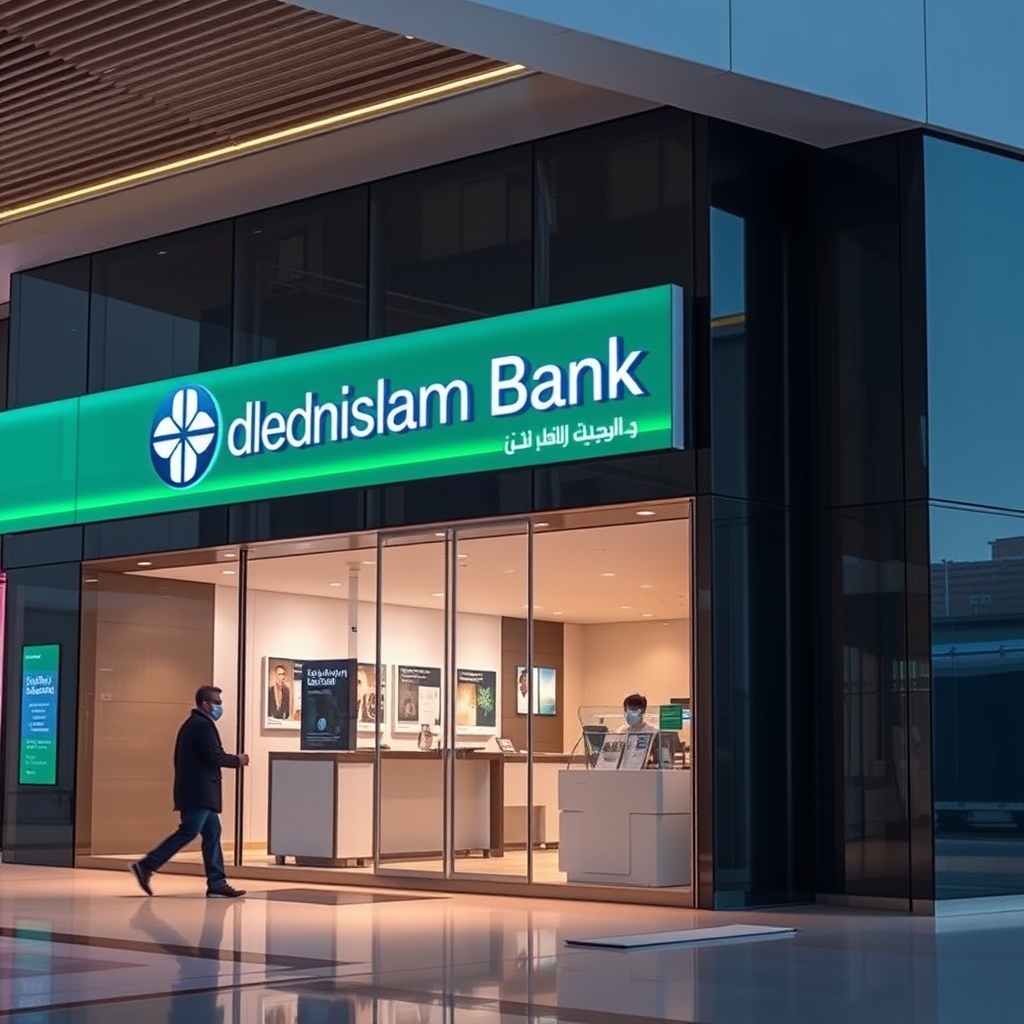
Dubai Islamic Bank posted 10% revenue growth in H1 2026 with improved asset quality. Here's what the numbers mean for UAE banking and your money.
Dubai Islamic Bank delivered a solid first half of 2026, recording revenue growth of 10 percent compared to the same period last year while simultaneously reporting an improvement in asset quality. The results signal continued resilience in the UAE’s Islamic banking sector as regional economic activity stays buoyant.
What did Dubai Islamic Bank report for H1 2026?
According to the original report, the bank’s half-year slides pointed to a 10 percent lift in revenue, with asset quality metrics moving in the right direction. Fewer problem loans and stronger income generation together paint a picture of a lender firing on multiple cylinders heading into the second half of the year.
Why does asset quality improvement matter?
When a bank’s asset quality improves, it means borrowers are repaying loans more reliably and the proportion of non-performing financing is shrinking. For a major institution like Dubai Islamic Bank, which serves hundreds of thousands of retail and corporate customers across the UAE, that signals reduced credit risk on its books.
Healthier loan portfolios also free up capital that would otherwise be set aside as provisions, giving the bank more room to grow its financing book or reward shareholders.
Why it matters for the Gulf
Dubai Islamic Bank is the world’s largest Islamic bank by assets, so its performance is a bellwether for Sharia-compliant finance across the entire region. Strong half-year numbers suggest corporate and retail borrowers in the UAE are holding up well despite global interest rate pressures and ongoing geopolitical uncertainty elsewhere.
The Gulf’s Islamic banking sector has been expanding steadily, drawing investors and depositors who prefer profit-sharing structures over conventional interest. A 10 percent revenue jump at the region’s flagship name reinforces confidence that demand for Islamic financial products is not slowing down.
H1 2026 performance snapshot
- Revenue growth: Up 10% year-on-year in H1 2026
- Asset quality: Improved, per bank disclosures
- Sector: Islamic banking, UAE-listed
- Relevance: Largest Islamic bank globally by assets
What does this mean for UAE banking in the second half?
Momentum heading into H2 2026 looks encouraging. If the UAE economy continues to benefit from strong tourism, real-estate activity and trade flows through Dubai and Abu Dhabi, banks like DIB are well-positioned to keep building on these gains.
At the same time, global uncertainty, including fluctuating oil revenues across the broader Gulf and shifts in US monetary policy, could influence borrowing costs and demand for financing in the months ahead. Investors and depositors will be watching the full-year numbers closely.
How does DIB’s growth compare to the broader market?
A double-digit revenue increase outpaces the modest growth many conventional lenders have reported globally in an environment where net interest margins have been squeezed. For Islamic banks, which rely on profit-sharing ratios rather than fixed interest, rising economic activity in the UAE tends to translate more directly into top-line gains.
That dynamic gives DIB, and the UAE’s Islamic finance sector more broadly, a structural advantage when the domestic economy is performing well.
Do you think Dubai Islamic Bank’s strong H1 numbers will push more UAE residents to consider Islamic banking products? Share your thoughts in the comments below.
Disclaimer: This article is for informational purposes only and does not constitute financial or investment advice. Consult a qualified financial adviser before making any investment decisions.

Related Posts

Stay Informed With the Latest & Most Important News
Previous Post
Next Post






Advertisement

-
 01UAE Team Emirates Stays Close in UCI Rankings Thanks to Tuckwell
 -
 02UAE E-Commerce Trends 2026: Why the Market Moves Fast
 -
 03Dubai Summer Surprises 2026: Full Arab Concert Lineup
 -
 04Sheikh Mohamed at G7: UAE Pledges Global Stability Role
 -
 05Windshield Sunshade in UAE Heat: Does It Actually Work?
 -
 06UAE Stocks Rally as Iran Ceasefire Talks Lift Gulf Markets
 -
 07Gulf Investors Blocked by European Rules, Saudi PIF Warns