

















Now Reading: Revolut Gets Dubai Crypto Licence: What It Means for You
-
01
Revolut Gets Dubai Crypto Licence: What It Means for You
Revolut Gets Dubai Crypto Licence: What It Means for You
Advertisement

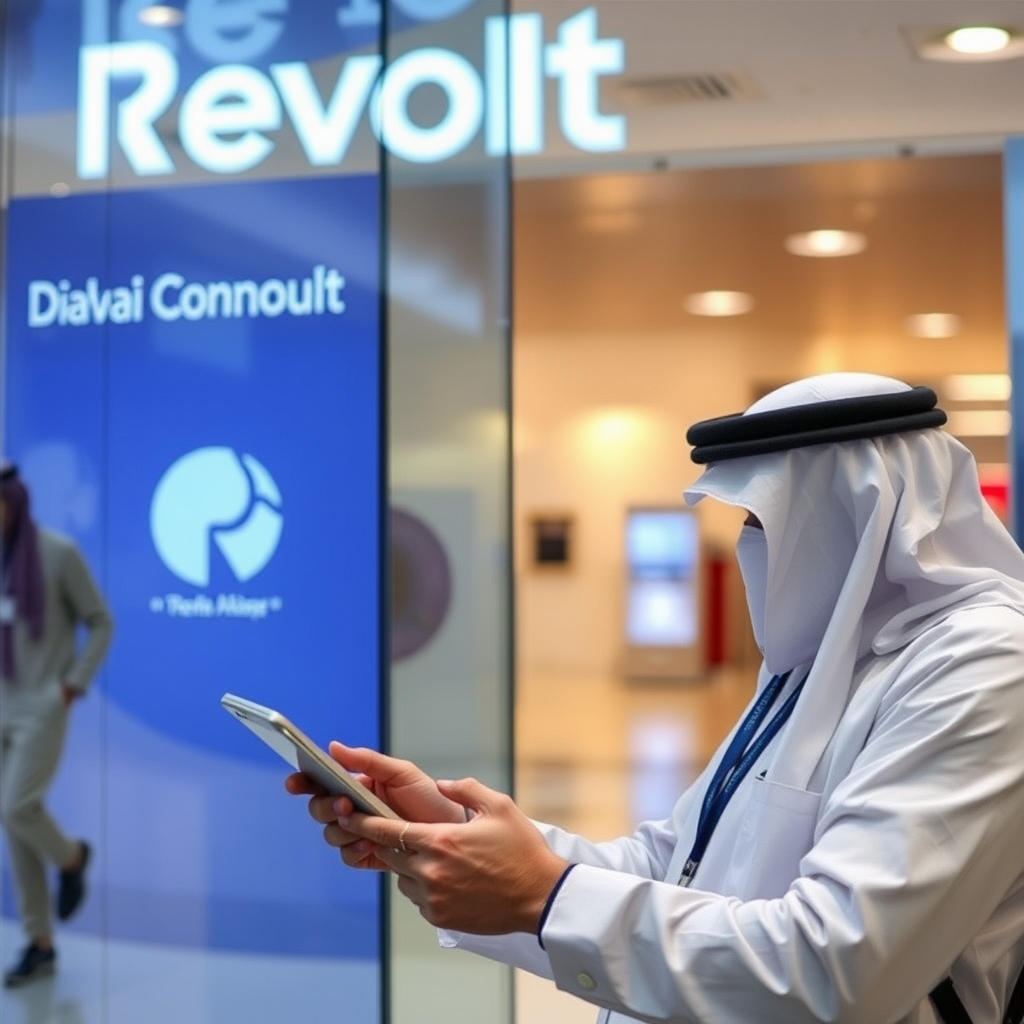
Revolut has received initial Dubai crypto licence approval, marking a major step into the Gulf market. Here's what UAE users need to know.
Revolut, one of the world’s largest digital banking apps, has secured initial approval for a cryptocurrency licence in Dubai, bringing the fintech giant one step closer to offering regulated crypto services in the UAE. The move signals growing confidence in Dubai’s crypto regulatory framework and could open the door to millions of Gulf users.
What Has Revolut Been Approved For?
The approval, granted by Dubai’s Virtual Assets Regulatory Authority (VARA), is a preliminary licence rather than a full operational green light. Revolut must still meet additional compliance requirements before it can launch crypto trading and related services to customers in the emirate. Even so, receiving in-principle approval from VARA is a significant regulatory milestone, particularly given how selective the authority has been in evaluating applicants.
Why Dubai? Why Now?
Dubai has spent the past few years positioning itself as a global hub for digital assets, and VARA was established specifically to create a clear licensing pathway for crypto businesses. For Revolut, which already holds banking and e-money licences across Europe and other markets, the UAE represents a high-growth opportunity. The country has one of the highest rates of cryptocurrency adoption in the broader Middle East and Africa region.
Revolut currently serves tens of millions of customers globally. A regulated crypto offering in Dubai would let the company compete directly with established regional players and international exchanges that already operate under VARA oversight.
Why It Matters for the Gulf
The UAE is not the only Gulf state watching this space closely. Saudi Arabia, Bahrain and Qatar have each taken steps toward crypto regulation, but Dubai remains the most advanced in terms of a formal licensing structure. Revolut’s entry, once fully approved, could accelerate competition and push down fees for retail crypto users across the region.
For everyday Gulf residents, many of whom use Revolut already for multi-currency spending and international transfers, a locally licensed crypto service would mean fewer workarounds, clearer consumer protections and potentially seamless integration with existing accounts.
How Revolut Compares to Other Licensed Crypto Firms in Dubai
| Company | VARA Status | Core Service |
|---|---|---|
| Revolut | Initial approval | Neobank + crypto trading |
| Binance | Licensed (VASP) | Crypto exchange |
| OKX | Licensed (VASP) | Crypto exchange |
| Crypto.com | Licensed (VASP) | Exchange + payments |
What Happens Next?
Revolut will need to satisfy VARA’s full requirements, which typically include demonstrating robust anti-money laundering controls, cybersecurity standards and local operational capacity. Only after clearing those hurdles will the company receive a full licence permitting it to onboard UAE customers for crypto services.
The timeline for that final approval has not been disclosed. Revolut is also reportedly pursuing a full UK banking licence, so the company is juggling several high-stakes regulatory processes simultaneously.
A Broader Signal for Dubai’s Crypto Ambitions
Every major name that enters Dubai’s regulated crypto market reinforces the city’s pitch to the global financial industry. VARA has been deliberate about who it licenses, prioritising compliance over speed. Revolut’s approval, even at this preliminary stage, is a vote of confidence in that approach.
For Gulf investors and everyday app users alike, more licensed competition generally means better products, stronger protections and lower costs. That is the practical upside beyond the headline.
You can read the original report for further details on the approval process.
Do you use Revolut in the UAE, and would a regulated local crypto feature change how you invest, or would you stick with a dedicated exchange? Let us know in the comments below.
Disclaimer: This article is for informational purposes only and does not constitute financial or investment advice. Always consult a qualified financial adviser before making investment decisions.

Related Posts



Stay Informed With the Latest & Most Important News
Previous Post
Next Post






Advertisement

-
 01UAE Team Emirates Stays Close in UCI Rankings Thanks to Tuckwell
 -
 02UAE E-Commerce Trends 2026: Why the Market Moves Fast
 -
 03Dubai Summer Surprises 2026: Full Arab Concert Lineup
 -
 04Sheikh Mohamed at G7: UAE Pledges Global Stability Role
 -
 05Windshield Sunshade in UAE Heat: Does It Actually Work?
 -
 06UAE Stocks Rally as Iran Ceasefire Talks Lift Gulf Markets
 -
 07Gulf Investors Blocked by European Rules, Saudi PIF Warns