















Now Reading: Gulf Luxury Travel: Saudi, UAE, Qatar & Oman Lead the Way
-
01
Gulf Luxury Travel: Saudi, UAE, Qatar & Oman Lead the Way
Gulf Luxury Travel: Saudi, UAE, Qatar & Oman Lead the Way

Advertisement

Gulf luxury travel destinations are booming. Saudi Arabia, UAE, Qatar and Oman are redefining tourism, residency and real estate. Here's what you need to know.
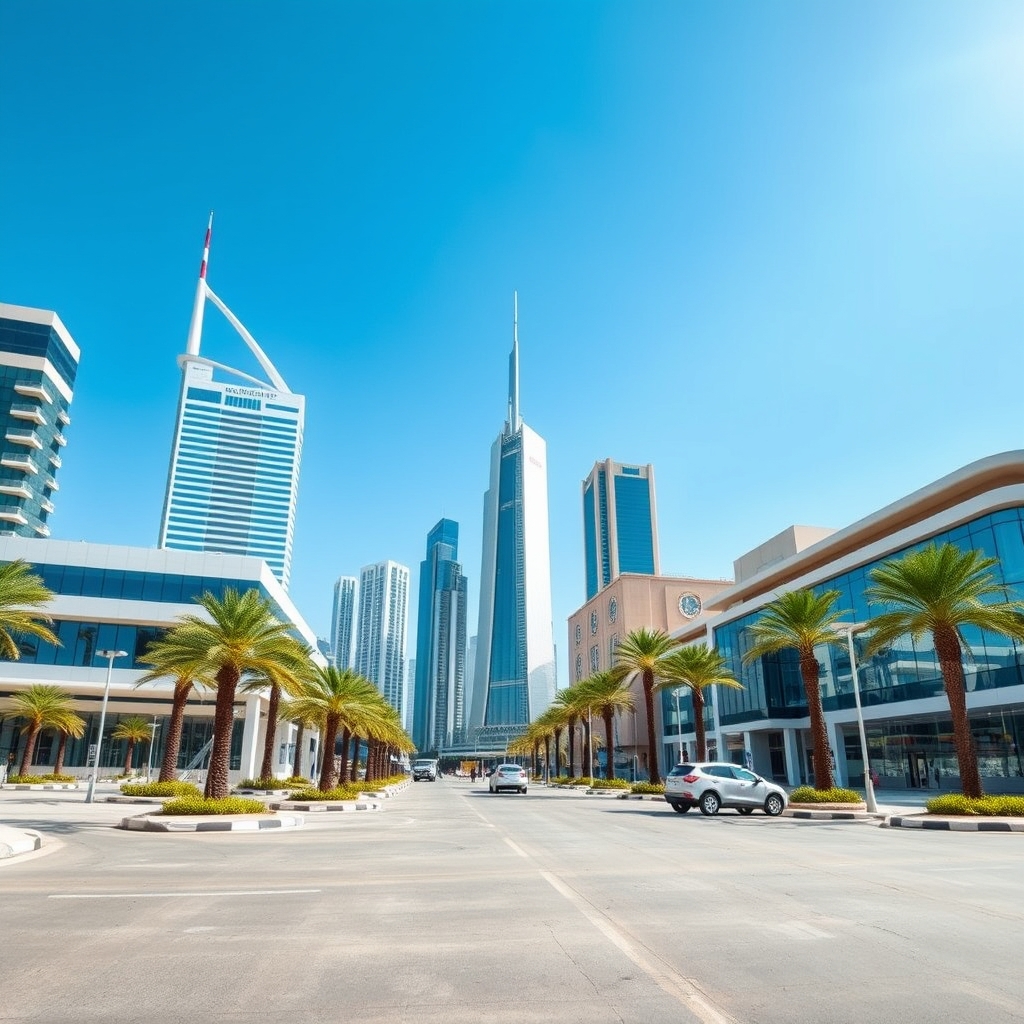
Saudi Arabia, the UAE, Qatar and Oman are rapidly becoming the world’s most talked-about luxury travel destinations, with major airlines connecting millions of visitors to multi-billion-dollar mega projects and high-end real estate opportunities, reshaping how the Gulf is seen by global tourists, investors and potential residents.
Why Are Gulf Countries Leading the Luxury Travel Boom?
The shift is not accidental. Each country has poured serious investment into tourism infrastructure, from Saudi Arabia’s futuristic NEOM city and the Red Sea Project to Abu Dhabi’s expanding cultural district and Qatar’s post-World Cup hospitality ecosystem. Oman, long overlooked, is carving out a reputation for experiential, nature-driven luxury.
What ties these destinations together is connectivity. Emirates, Saudia and Qatar Airways collectively serve hundreds of international routes, making it easier than ever for travellers from Europe, Asia and the Americas to land directly in the Gulf and access these projects.
What Role Are Airlines Playing?
Emirates remains the world’s largest long-haul carrier by passenger kilometres, and its Dubai hub acts as a gateway that feeds tourists into the wider region. Qatar Airways, consistently rated among the globe’s best airlines, has positioned Doha as a premium stopover and destination in its own right. Saudia is rapidly expanding its network as part of the Saudi Vision 2030 push to attract 150 million visitors annually by the end of the decade.
Together, these carriers are not just moving passengers. They are marketing tools, projecting a vision of Gulf hospitality before travellers even land.
Why It Matters for the Gulf
Tourism diversification is at the core of every Gulf state’s long-term economic strategy. Oil revenues remain significant, but governments across the region are acutely aware that the next generation of wealth must come from services, knowledge industries and, critically, tourism. Luxury travel generates higher per-visitor spending, supports local employment and attracts the kind of international attention that draws foreign direct investment.
For the UAE especially, the linkage between luxury tourism and real estate is direct. Visitors who come to Dubai or Abu Dhabi frequently return as property buyers or long-term residents, drawn by Golden Visa schemes and a lifestyle that few cities can replicate.
How Do These Destinations Compare?
| Country | Key Luxury Draw | Major Airline Hub | Signature Mega Project |
|---|---|---|---|
| Saudi Arabia | Heritage, mega resorts | Saudia (Riyadh, Jeddah) | NEOM, Red Sea Project |
| UAE | Urban luxury, real estate | Emirates (Dubai) | Dubai Creek Harbour, Saadiyat |
| Qatar | Culture, hospitality | Qatar Airways (Doha) | Lusail City, Msheireb |
| Oman | Nature, wellness, heritage | Oman Air (Muscat) | Yiti, Madinat Al Irfan |
Is Gulf Real Estate Becoming a Tourism Product?
Increasingly, yes. Developers in Dubai, Riyadh and Doha are marketing branded residences and holiday homes directly to international travellers, blurring the line between a luxury holiday and a long-term investment. Buyers from India, the UK, Russia and China are among the most active, drawn by competitive yields, residency visa pathways and the cachet of owning property in one of the world’s fastest-growing cities.
Saudi Arabia recently introduced tourist visas and residency-linked property schemes, moves that mirror what Dubai pioneered years earlier. Oman has similarly opened freehold ownership zones for foreigners, adding another layer of appeal for the high-net-worth traveller.
What Comes Next for Gulf Tourism?
The trajectory is upward across all four countries. With Vision 2030 in Saudi Arabia, the UAE’s Tourism Strategy 2031, and continued Qatari and Omani investment in product development, the Gulf is not chasing the traditional tourism market. It is building a new one, centred on exclusivity, investment and lifestyle rather than simply beaches and sightseeing.
The region’s airlines will remain the connective tissue, and as long-haul travel demand stays strong, the pipeline of wealthy visitors is unlikely to slow. Read the original report for a deeper breakdown of how these markets are evolving.
With four countries competing for the same high-spending traveller, which Gulf destination do you think will come out on top in the next five years? Share your thoughts in the comments below.

Related Posts


Stay Informed With the Latest & Most Important News
Previous Post
Next Post







Advertisement

-
 01UAE Team Emirates Stays Close in UCI Rankings Thanks to Tuckwell
 -
 02UAE E-Commerce Trends 2026: Why the Market Moves Fast
 -
 03Dubai Summer Surprises 2026: Full Arab Concert Lineup
 -
 04Sheikh Mohamed at G7: UAE Pledges Global Stability Role
 -
 05Windshield Sunshade in UAE Heat: Does It Actually Work?
 -
 06UAE Stocks Rally as Iran Ceasefire Talks Lift Gulf Markets
 -
 07Gulf Investors Blocked by European Rules, Saudi PIF Warns