









Now Reading: Saudi Arabia Strikes Iran-Backed Groups in Iraq With US Help
-
01
Saudi Arabia Strikes Iran-Backed Groups in Iraq With US Help
Saudi Arabia Strikes Iran-Backed Groups in Iraq With US Help
Advertisement

Saudi Arabia struck Iran-backed militia targets in Iraq in coordination with the US. Here's what happened and why it matters for Gulf security.
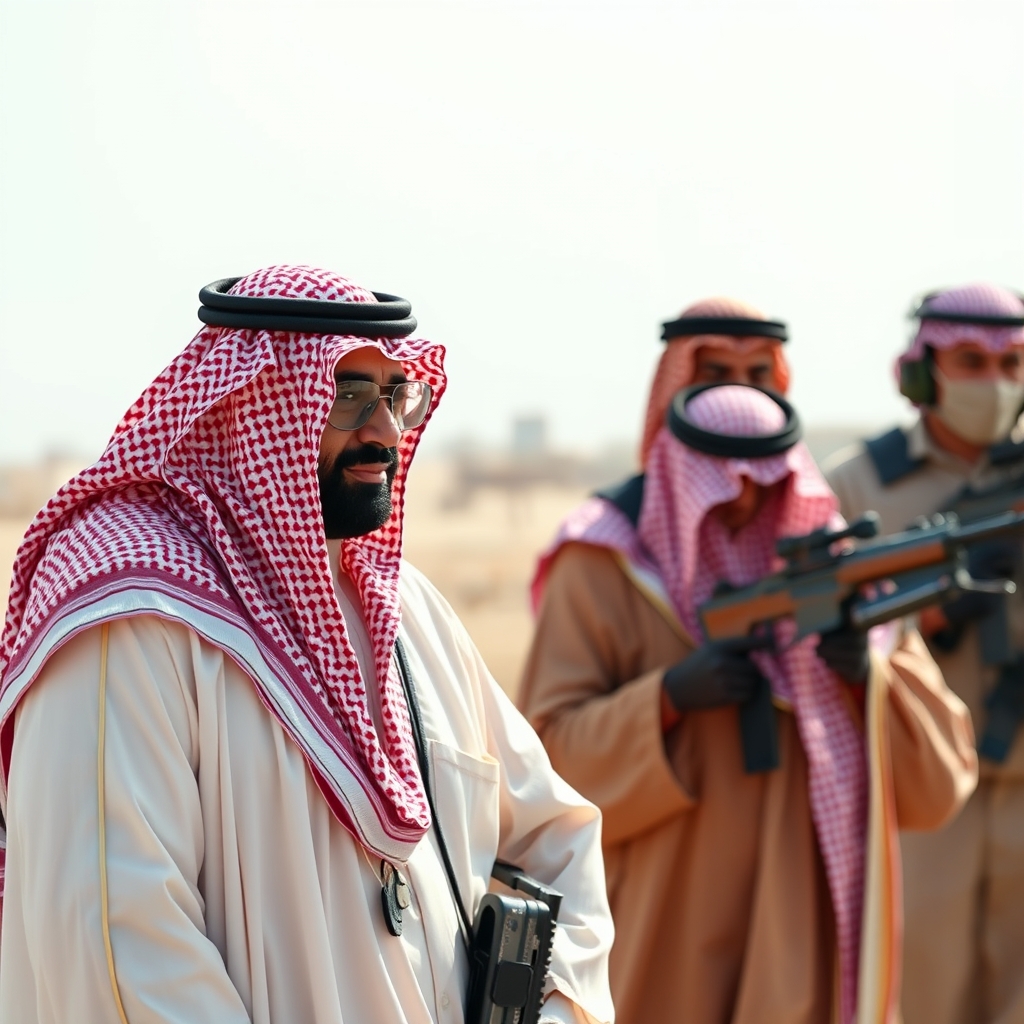
Saudi Arabia has confirmed it carried out military strikes against Iran-backed armed groups operating inside Iraq, acting in coordination with the United States. The move signals a significant escalation in Riyadh’s willingness to project force beyond its borders and underscores growing US-Saudi alignment on containing Iranian influence across the region.
What Did Saudi Arabia Strike and Where?
Saudi forces targeted positions linked to Iran-backed factions in Iraq, according to statements from Saudi authorities. The strikes were conducted with direct coordination from Washington, marking a notable instance of joint operational planning between the two allies against proxy forces aligned with Tehran.
The timing is significant. Regional tensions have been elevated for months, with Iran-backed groups repeatedly implicated in attacks on infrastructure and military assets across the broader Middle East.
Why Is the US Involved in Saudi Strikes on Iraq?
US coordination in the operation points to a deepening of the security partnership between Washington and Riyadh after a period of diplomatic friction. The Biden and then Trump administrations have both maintained that countering Iranian proxy networks remains a core US strategic priority in the Gulf and Levant.
For Saudi Arabia, acting with explicit American backing provides both military and diplomatic cover. It also sends a message to Tehran that Riyadh is prepared to take offensive action, not merely absorb attacks.
Why It Matters for the Gulf
This development carries direct implications for every Gulf state. Iran-backed networks have long operated as a destabilising force along key Gulf trade and energy corridors. Any escalation involving Saudi Arabia, the region’s largest Arab economy and dominant oil producer, ripples outward fast.
The UAE, Bahrain and Kuwait all sit within range of retaliatory threats from Iranian proxies. A Saudi strike inside Iraq raises the question of whether Tehran responds, and where. Gulf governments will be watching Iranian reactions closely in the days ahead.
Key Parties and Their Positions
| Party | Role | Stated Position |
|---|---|---|
| Saudi Arabia | Strike initiator | Defending national security against Iran-backed threats |
| United States | Coordinating partner | Supporting regional partners against Iranian proxies |
| Iran-backed groups | Target | No immediate official response reported |
| Iraq | Territory affected | Position pending; sovereignty concerns expected |
How Does Iraq Factor Into This?
Iraq’s government faces a familiar and uncomfortable dilemma. Baghdad has strong political and economic ties with both Tehran and Washington, and foreign military action on Iraqi soil, regardless of the target, routinely draws protests from Iraqi lawmakers and officials.
Iran-backed factions hold significant influence inside Iraq’s parliament and security apparatus. That makes any Saudi or US military footprint in the country politically explosive for the Iraqi government, even when the targets are groups Baghdad itself has struggled to control.
What Comes Next?
The immediate concern for Gulf watchers is whether Iran or its proxies choose to retaliate, and in which theatre. Past patterns suggest responses tend to be indirect, through harassment of shipping, drone attacks on infrastructure, or pressure on allied governments rather than direct military confrontation with Saudi forces.
Saudi Arabia’s willingness to act offensively, with US backing, could also shift calculations in ongoing diplomatic efforts. Riyadh and Tehran had been engaged in a Chinese-brokered normalisation process since 2023. Whether that dialogue survives this strike will be a telling indicator of how durable that rapprochement really is.
For the full details on the confirmed coordination and the Saudi government’s statements, see the original report.
With Saudi Arabia now taking direct military action inside Iraq, do you think the 2023 Saudi-Iran normalisation deal can survive this moment? Share your thoughts in the comments below.
Disclaimer: This article covers an active geopolitical and military situation. Developments may change rapidly. Readers are encouraged to follow verified official sources for the latest updates.

Related Posts


Stay Informed With the Latest & Most Important News
Previous Post
Next Post






Advertisement

-
 01UAE Team Emirates Stays Close in UCI Rankings Thanks to Tuckwell
 -
 02Sheikh Mohamed at G7: UAE Pledges Global Stability Role
 -
 03UAE Stocks Rally as Iran Ceasefire Talks Lift Gulf Markets
 -
 04Windshield Sunshade in UAE Heat: Does It Actually Work?
 -
 05UAE E-Commerce Trends 2026: Why the Market Moves Fast
 -
 06Gulf Investors Blocked by European Rules, Saudi PIF Warns
 -
 07UAE Tourism 2025: UK Lifts Warning as Hotels and Flights Boom