

















Now Reading: US-UAE Military AI Task Force: What the Deal Means
-
01
US-UAE Military AI Task Force: What the Deal Means
US-UAE Military AI Task Force: What the Deal Means
Advertisement

The US and UAE are forming a military AI task force. Here's what the partnership means for Gulf security and the region's tech ambitions. Click to read more.
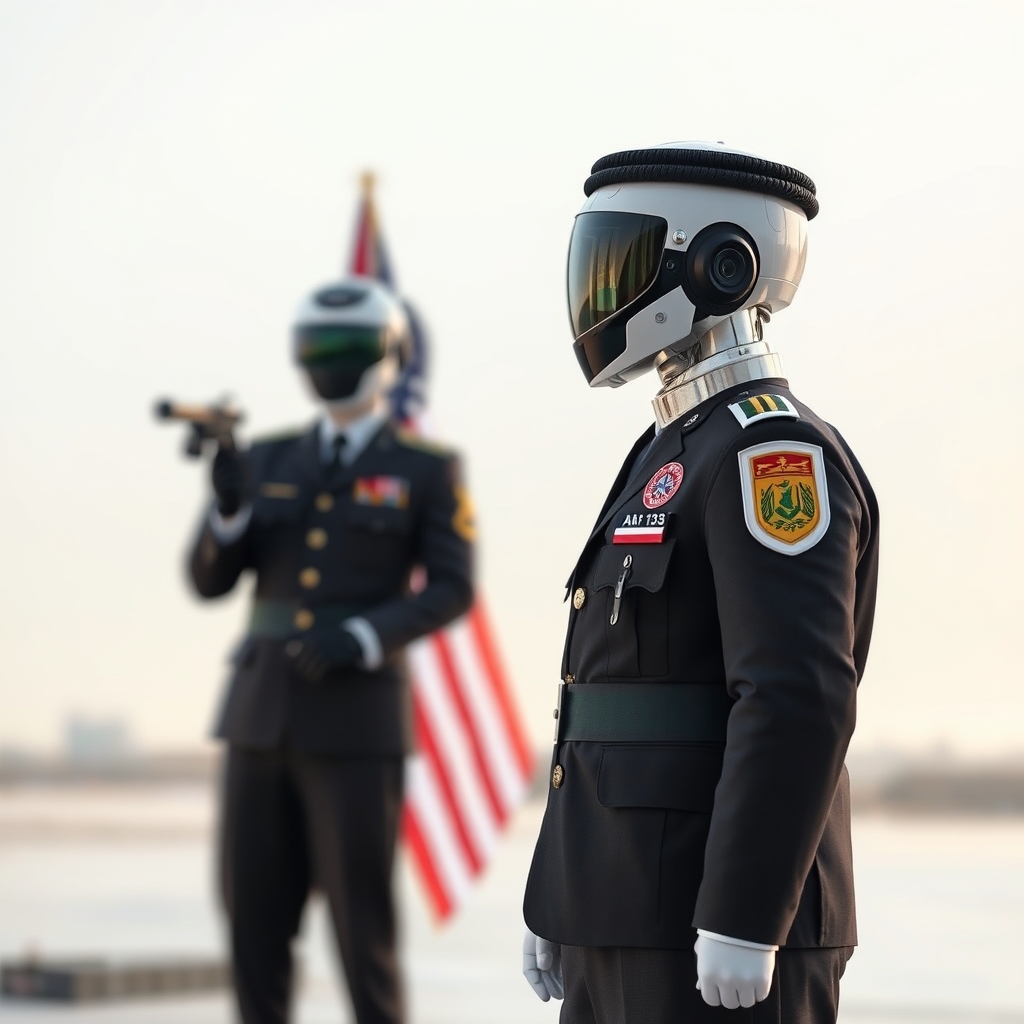
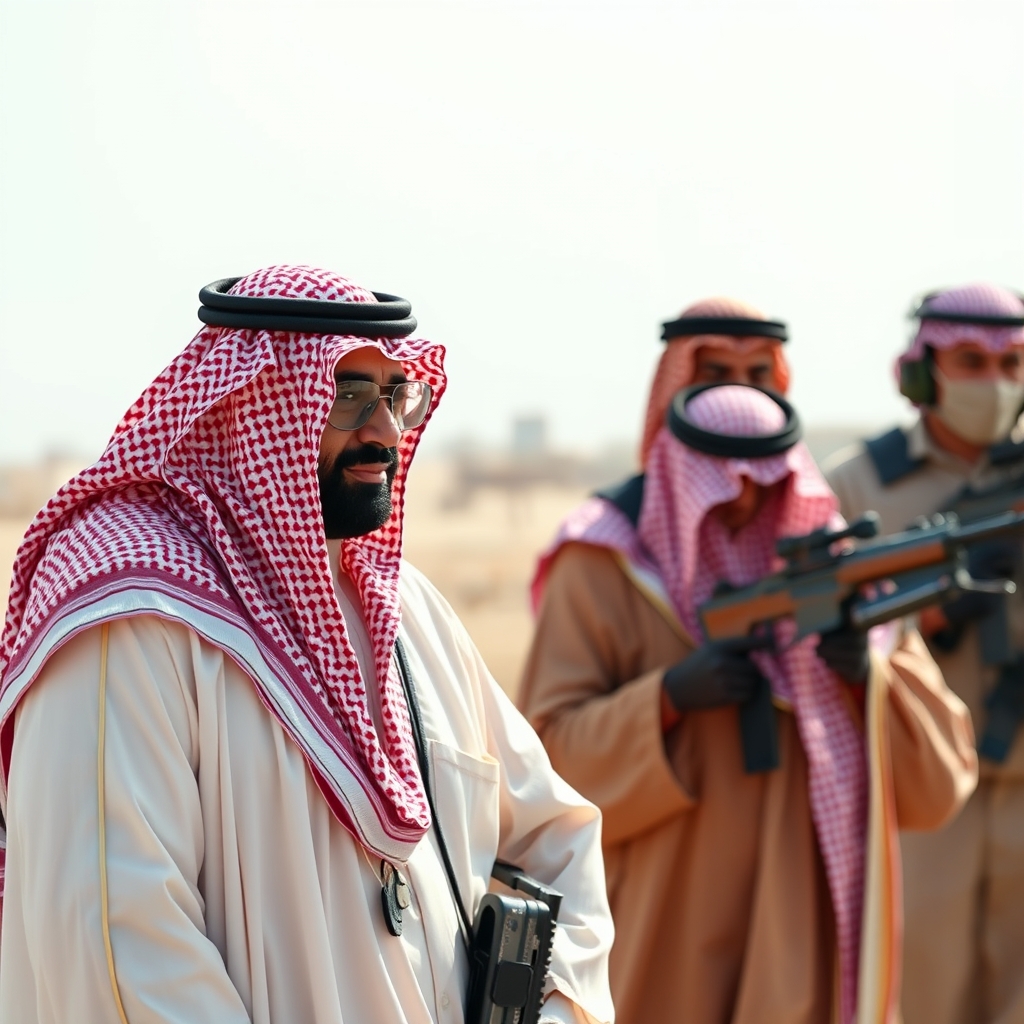
The United States and the United Arab Emirates have agreed to establish a joint military artificial intelligence task force, deepening a defence partnership that already spans decades. The move signals a major step in how both nations plan to integrate AI into security operations, and it places the UAE at the forefront of AI-driven defence in the Arab world.
What Is the US-UAE Military AI Task Force?
The two countries have committed to creating a dedicated task force that will focus on applying artificial intelligence to military operations and defence systems. While precise operational details remain limited, the initiative reflects a broader shift in how the US is approaching defence partnerships, prioritising technology collaboration alongside traditional military cooperation.
The UAE has been aggressively expanding its AI infrastructure and national strategy for years. Formalising that ambition within a military framework alongside Washington marks a significant escalation in bilateral ties.
Why It Matters for the Gulf
For Gulf states watching this development closely, the implications go beyond two countries sharing technology. The UAE has positioned itself as the region’s AI capital, home to G42, one of the most prominent AI companies in the Middle East, and to Masdar City’s growing tech ecosystem. Embedding AI into its military apparatus with American backing adds a layer of strategic credibility that rivals in the region will notice.
Saudi Arabia, Qatar and other Gulf Cooperation Council members have all been accelerating their own AI investment programmes. A formal US-UAE military AI structure could set a template, or a competitive benchmark, for how Washington engages with its other Gulf partners on defence technology.
It also comes at a time of heightened regional tension, when the ability to process intelligence faster and respond more precisely carries real operational weight.
How Does This Fit the UAE’s AI Strategy?
The UAE declared a national AI strategy in 2017 and has since appointed a Minister of State for Artificial Intelligence, a first in the world at federal government level. The country aims to be among the top nations in AI readiness globally by 2031. Partnering with the US military on AI development feeds directly into that roadmap, giving Emirati institutions access to cutting-edge research and operational testing environments that few countries can offer.
For the US side, the partnership extends its influence over how advanced AI tools proliferate in a strategically vital region, giving Washington a closer look at how Gulf states develop and deploy these capabilities.
Key Points at a Glance
- Agreement: US and UAE to form a joint military AI task force
- Focus: Applying artificial intelligence to defence and military operations
- UAE context: National AI strategy targets top-tier global ranking by 2031
- Regional significance: Sets a potential model for US tech-defence partnerships across the Gulf
- Broader trend: AI integration in military systems is accelerating globally among major powers
What Happens Next?
The task force is in its formation stage, meaning the concrete programmes, timelines and command structures are still being defined. Expect announcements tied to upcoming bilateral defence meetings or major technology forums such as GITEX, where UAE-US cooperation on emerging tech is often showcased.
Analysts will be watching whether the partnership produces shared development of AI tools or focuses primarily on interoperability between existing systems. Either direction would have significant implications for how AI-assisted defence decisions are made in future Gulf conflicts or peacekeeping operations.
For more details on the original announcement, read the original report from Middle East Monitor.
Disclaimer: This article covers a political and defence policy development. Readers should consult official government sources for confirmed operational details.
Do you think a US-UAE military AI partnership will reshape the balance of power in the Gulf, or does it risk drawing the region deeper into great-power competition? Share your thoughts in the comments below.

Related Posts

Stay Informed With the Latest & Most Important News
Previous Post
Next Post






Advertisement

-
 01UAE Team Emirates Stays Close in UCI Rankings Thanks to Tuckwell
 -
 02UAE E-Commerce Trends 2026: Why the Market Moves Fast
 -
 03Dubai Summer Surprises 2026: Full Arab Concert Lineup
 -
 04Sheikh Mohamed at G7: UAE Pledges Global Stability Role
 -
 05Windshield Sunshade in UAE Heat: Does It Actually Work?
 -
 06UAE Stocks Rally as Iran Ceasefire Talks Lift Gulf Markets
 -
 07Gulf Investors Blocked by European Rules, Saudi PIF Warns