



















Now Reading: UAE confirms no recalled US berries on shelves here
-
01
UAE confirms no recalled US berries on shelves here
UAE confirms no recalled US berries on shelves here
Advertisement

UAE authorities say no recalled US berries linked to hepatitis outbreaks are sold locally. Here’s what you need to know about food safety.
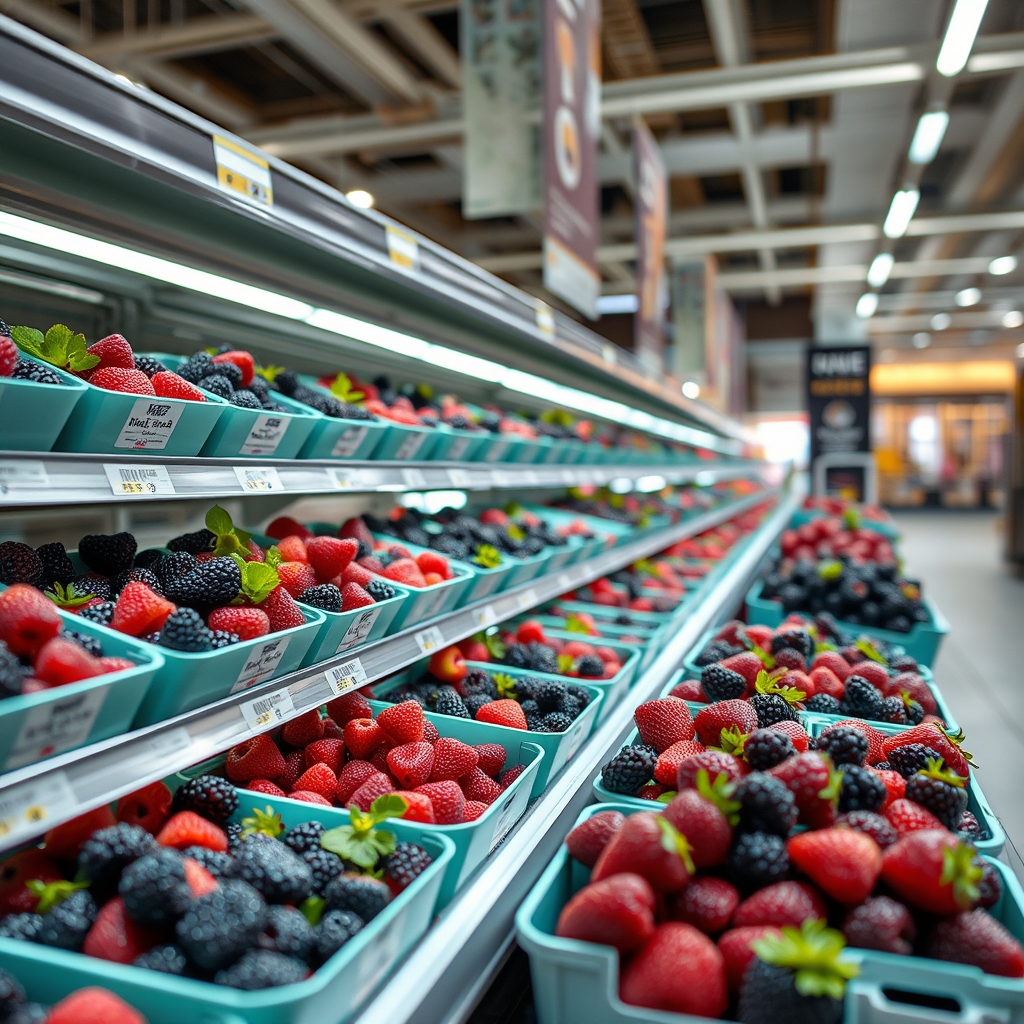
The US berry recall UAE has sparked concerns, but authorities confirm no recalled products are on shelves.
US berry recall UAE: What triggered the alert?
In May 2023, the U.S. Food and Drug Administration (FDA) issued a recall for frozen organic strawberries supplied by California‑based Wawona after linking them to a hepatitis A outbreak. The berries, sold under private labels at stores such as Costco and Trader Joe’s, were distributed between March and April 2023. Genetic testing matched the virus strain found in patients to the frozen fruit, prompting a recall that later expanded to other frozen fruit blends containing the same supplier’s strawberries.
How UAE authorities verified the supply chain
The Ministry of Climate Change and Environment (MOCCAE) and Dubai Municipality launched an immediate sweep of supermarkets, hypermarkets, and cold‑storage warehouses across the Emirates. Teams cross‑checked product codes, batch numbers, and best‑by dates against the FDA’s recall list. No matches were found, and spokespersons emphasized that all imported frozen berries undergo stringent laboratory testing before clearance.
MOCCAE also highlighted the use of blockchain technology to trace food shipments from farm to shelf, a system that helped ensure transparency throughout the import process.
Why the US berry recall UAE matters for consumers
The United Arab Emirates imports more than 80 % of its food, with frozen fruits and vegetables accounting for a sizable share. In 2022 alone, the nation imported 1.2 million tonnes of fruit, including berries, from global suppliers. A swift response to an international recall demonstrates the UAE’s commitment to food safety and protects public health in a market heavily reliant on imports.
According to the Gulf News Daily News archive, the UAE recorded 15 food‑recall alerts from overseas sources in 2022, up from nine the previous year. Most involved processed foods, dairy, and fresh produce from the US, Europe, and Asia, underlining the importance of rigorous inspection regimes.
How to confirm your frozen berries are safe
Even though officials have found no recalled batches, consumers can still verify packages before consumption. Look for the following details on the label:
- Brand and product name (e.g., Wawona Organic Strawberries)
- Best‑by or freeze‑by dates
- UPC or barcode that can be cross‑checked online
If a product matches any of the recalled batches—such as Wawona Organic Strawberries with a best‑by date between March 2024 and May 2024, or Trader Joe’s Organic Tropical Fruit Blend dated June‑August 2024—return it to the retailer for a refund or safely dispose of it.
Understanding hepatitis A and how it spreads
Hepatitis A is a viral infection that targets the liver and spreads through contaminated food, water, or close personal contact. Symptoms typically appear 15–50 days after exposure and include fatigue, nausea, abdominal pain, and jaundice. While most people recover fully, severe cases can lead to liver failure.
The virus can survive on surfaces and in frozen foods for months. Cooking frozen berries to an internal temperature of 85 °C for at least one minute destroys the pathogen, but consuming them raw poses a risk if the product is contaminated.
What to do if you think you consumed recalled berries
Monitor yourself for hepatitis A symptoms for up to two months after potential exposure. If fever, fatigue, or yellowing of the skin or eyes appear, seek medical advice promptly. A vaccine administered within two weeks of exposure can prevent infection, and the UAE provides hepatitis A vaccinations through both public and private healthcare facilities.
For more detailed guidance on hepatitis A, visit the U.S. Centers for Disease Control and Prevention (CDC) website.
Stay informed by following our daily news coverage and check our lifestyle section for health and safety updates. The proactive stance taken during the US berry recall UAE exemplifies the nation’s dedication to protecting consumers and maintaining confidence in imported food products.

Stay Informed With the Latest & Most Important News
Previous Post
Next Post








Advertisement

-
 01UAE Team Emirates Stays Close in UCI Rankings Thanks to Tuckwell
-
 02UAE E-Commerce Trends 2026: Why the Market Moves Fast
-
 03Dubai Summer Surprises 2026: Full Arab Concert Lineup
-
 04Sheikh Mohamed at G7: UAE Pledges Global Stability Role
-
 05Windshield Sunshade in UAE Heat: Does It Actually Work?
-
 06UAE Stocks Rally as Iran Ceasefire Talks Lift Gulf Markets
-
 07Gulf Investors Blocked by European Rules, Saudi PIF Warns