





Now Reading: Tanker Linked to UAE Hit as Gulf Shipping Tensions Rise
-
01
Tanker Linked to UAE Hit as Gulf Shipping Tensions Rise
Tanker Linked to UAE Hit as Gulf Shipping Tensions Rise
Advertisement

A Liberian-registered tanker with UAE links has been attacked amid rising Gulf tensions. Here's what happened and why it matters for regional shipping.
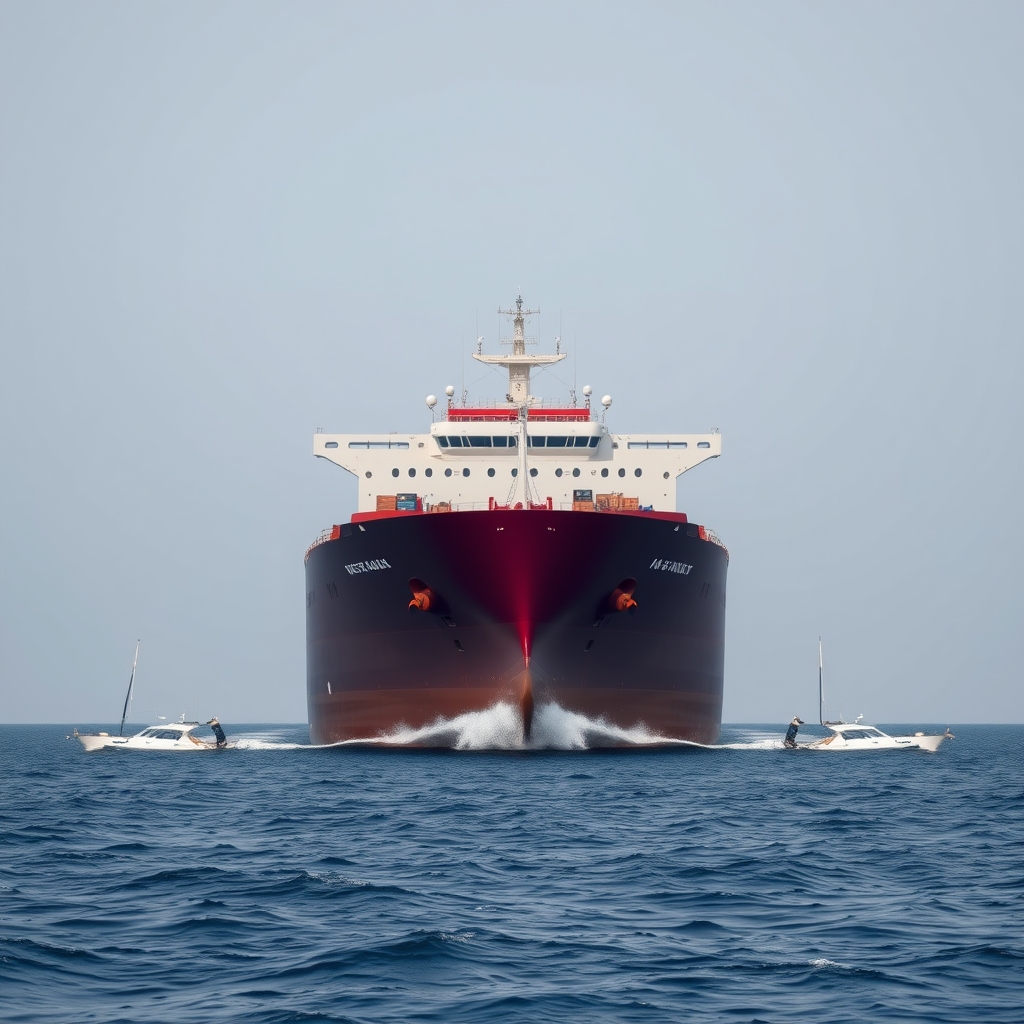
A tanker registered in Liberia but connected to UAE interests has come under attack as maritime tensions in the Gulf region continue to simmer. The incident adds to a pattern of threats against commercial shipping in waters that carry a significant share of the world’s oil and trade cargo.
What happened to the UAE-linked tanker?
The Liberian-flagged vessel, which has reported ties to the UAE, was targeted in an attack whose details point to the kind of asymmetric maritime threat that has plagued Gulf shipping lanes in recent years. The precise location and method of the attack have drawn attention from regional security analysts monitoring an already volatile stretch of water.
Liberian ship registration is common among internationally operated commercial vessels because of its open-registry system, meaning the flag does not indicate the nationality of the owners or operators. The UAE connection places this incident closer to home for Gulf stakeholders.
Why it matters for the Gulf
The UAE sits at the heart of global maritime trade. The Port of Jebel Ali in Dubai ranks among the busiest container ports in the world, and the Strait of Hormuz, which borders UAE territory, sees roughly 20 percent of global oil shipments pass through it. Any sustained threat to shipping in these waters carries direct economic consequences for the Emirates and its neighbors.
Attacks on commercial vessels raise insurance premiums, divert trade routes and create uncertainty for shipping companies operating in the region. That uncertainty can ripple quickly into fuel costs and supply chains that Gulf consumers and businesses feel on the ground.
How does this fit the broader pattern of Gulf maritime incidents?
The Gulf has seen a series of shipping incidents over the past several years, ranging from drone strikes and limpet mine attacks to outright seizures of vessels. Tankers carrying Gulf crude and other cargoes have repeatedly been caught in geopolitical crossfire, with various state and non-state actors using maritime pressure as a lever in wider regional disputes.
Shipping companies operating in the area have increasingly relied on naval escorts, private security teams and real-time threat intelligence to manage the risk.
Key facts at a glance
- Vessel flag: Liberia (open registry)
- Operator connection: Reported UAE links
- Regional context: Ongoing Gulf maritime security tensions
- Strait of Hormuz traffic: Approximately 20% of global oil shipments
- Impact: Potential disruption to regional trade and insurance costs
What does this mean for UAE trade and energy security?
For the UAE, maritime security is not an abstract concern. The country’s prosperity is built partly on its role as a trading and logistics hub, and disruptions to shipping confidence threaten that position. Authorities in Abu Dhabi and Dubai have consistently pushed for stronger international naval coalitions and de-escalation diplomacy to keep Gulf waters open.
The attack also serves as a reminder that commercial vessels with Gulf connections remain targets regardless of the flag they sail under. Operators and insurers will be watching closely to see whether this incident signals an escalation or remains an isolated event.
What happens next?
Regional navies and international maritime organizations are expected to assess the incident and issue guidance to commercial shipping. The UAE has previously coordinated with allied navies to respond to threats in the area, and diplomatic channels are likely to be activated as details of the attack become clearer.
Shipping firms with exposure to Gulf routes are advised to monitor official advisories from maritime authorities and review their security protocols in light of the latest incident. For the full details as reported, see the original report.
With Gulf shipping lanes under repeated pressure, do you think international naval coalitions are doing enough to protect commercial vessels, or should the UAE push for stronger regional maritime agreements? Tell us in the comments below.
Disclaimer: This article covers a developing geopolitical situation. Information may change as further details emerge from official sources.

Related Posts

Stay Informed With the Latest & Most Important News
Previous Post
Next Post





Advertisement

-
 01Sheikh Mohamed at G7: UAE Pledges Global Stability Role
 -
 02UAE Team Emirates Stays Close in UCI Rankings Thanks to Tuckwell
 -
 03UAE Stocks Rally as Iran Ceasefire Talks Lift Gulf Markets
 -
 04Gulf Investors Blocked by European Rules, Saudi PIF Warns
 -
 05UAE Tourism 2025: UK Lifts Warning as Hotels and Flights Boom
 -
 06Windshield Sunshade in UAE Heat: Does It Actually Work?
 -
 07Working on a Public Holiday in UAE: Know Your Rights