















Now Reading: Rubio’s Gulf Visit: What It Means for UAE-US Ties
-
01
Rubio’s Gulf Visit: What It Means for UAE-US Ties
Rubio’s Gulf Visit: What It Means for UAE-US Ties

Advertisement

US Secretary of State Marco Rubio's Gulf visit signals a new chapter in UAE-US relations. Here's what the talks mean for the region. Click to read more.
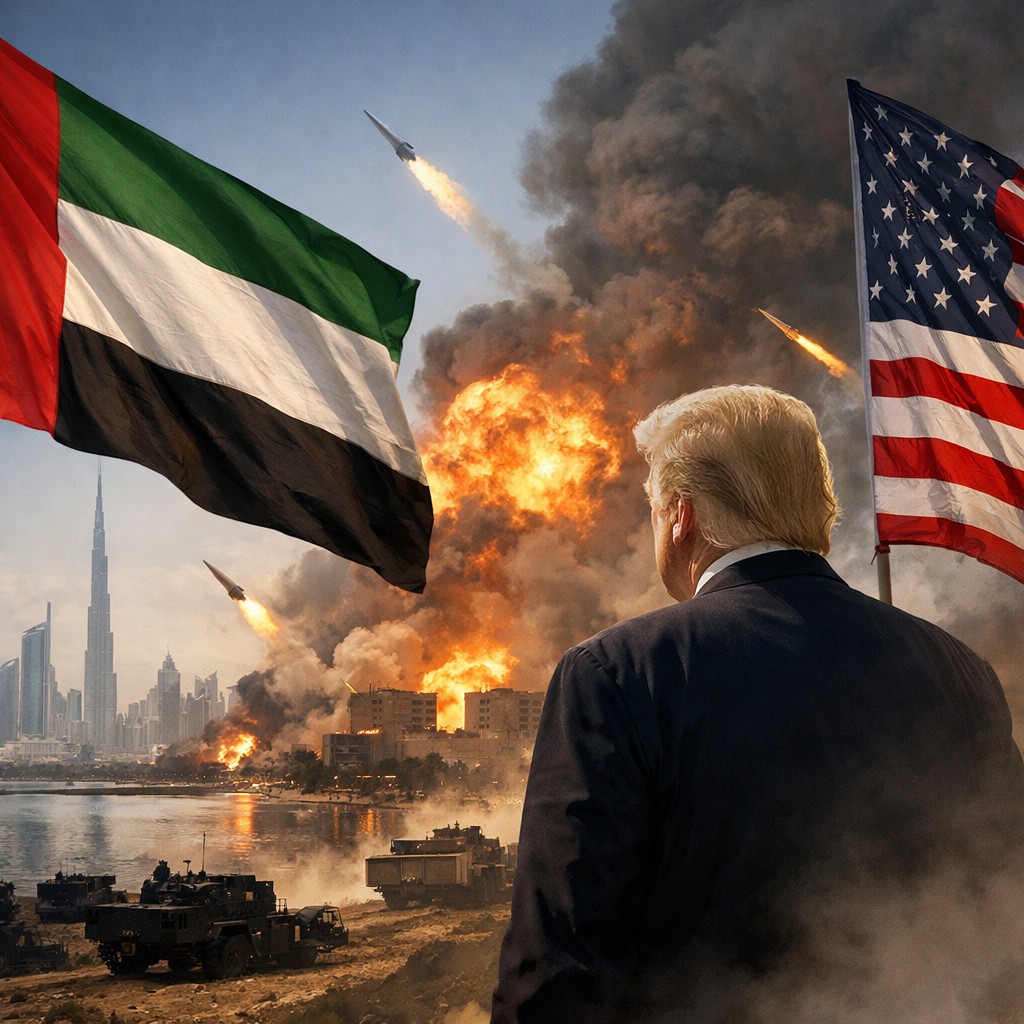
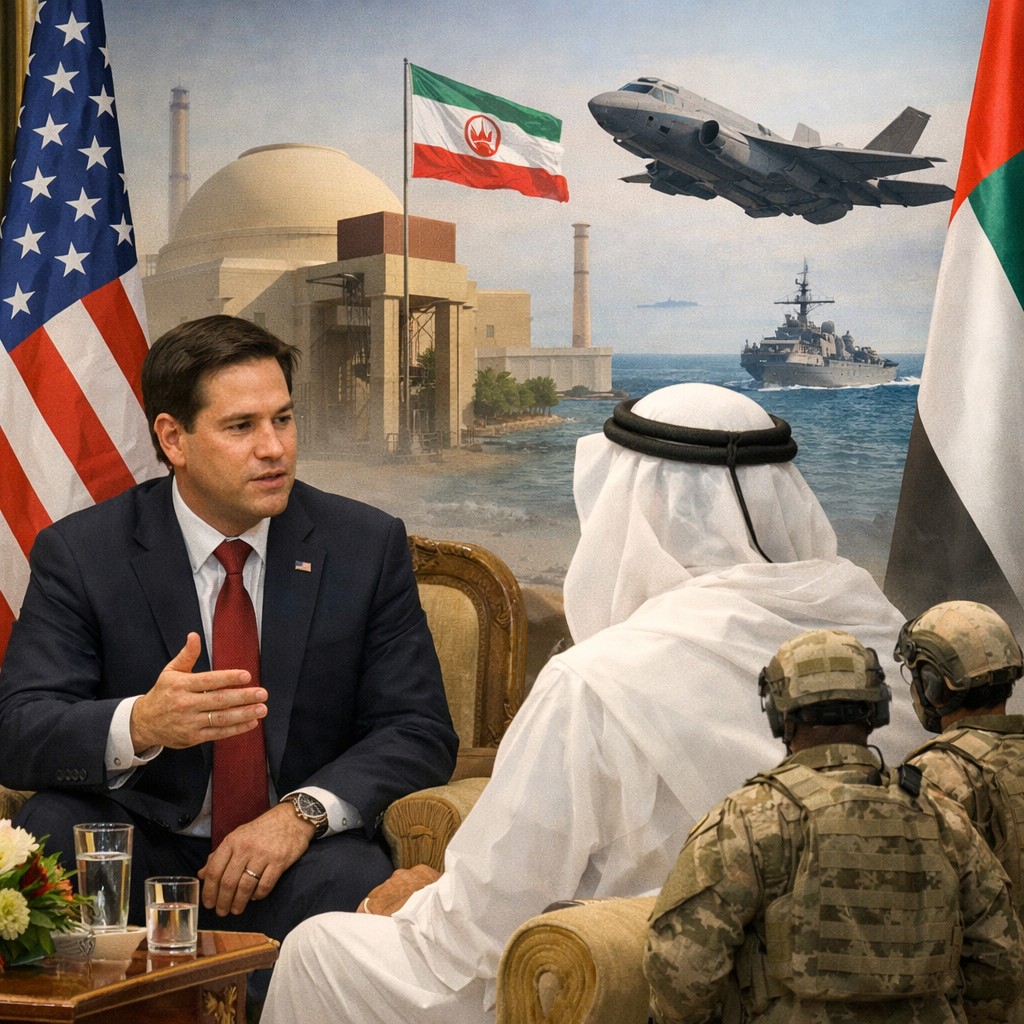
US Secretary of State Marco Rubio has visited the Gulf region, holding high-level talks with UAE and regional officials in a move that underscores Washington’s renewed diplomatic focus on the Arabian Peninsula. The meetings signal a strengthening of ties between the United States and its Gulf partners at a moment when regional security, trade, and geopolitical alignment are all in flux.
What Brought Rubio to the Gulf?
Rubio’s visit is part of a broader American effort to re-engage closely with Gulf states following a period of diplomatic recalibration. The UAE, as one of Washington’s most strategically important partners in the Middle East, was a natural focal point for early-term diplomacy under the current US administration.
The talks covered a range of issues including regional stability, economic partnerships, and security cooperation. The UAE has long served as a hub for US military logistics and commercial engagement across the broader Middle East and Africa corridor.
Why It Matters for the Gulf
For the UAE and its Gulf neighbours, a high-profile visit from the top US diplomat carries real weight. It signals that Washington views the region as central to its foreign policy agenda, not peripheral to it. That matters for Gulf governments navigating complex relationships with multiple global powers, including China and Russia.
The UAE has worked in recent years to diversify its international partnerships, deepening economic ties with Beijing while maintaining its security alliance with Washington. Rubio’s visit is widely read as an American signal that it wants to remain the Gulf’s preferred strategic partner, particularly as competition for regional influence intensifies.
What Are the Key Issues on the Table?
Several pressing topics are understood to have featured in the discussions, based on the original report:
- Regional security: Ongoing tensions involving Iran and proxy conflicts across the region remain a shared concern for both Washington and Gulf capitals.
- Economic cooperation: Trade, investment, and technology partnerships between the US and UAE continue to expand, with both sides keen to deepen commercial ties.
- Normalisation efforts: The broader Abraham Accords framework and prospects for further regional diplomatic progress remain a standing item on the US-Gulf agenda.
- Gaza and humanitarian concerns: The conflict in Gaza and its spillover effects on regional stability featured prominently in diplomatic discussions across the Gulf leg of the trip.
How Does This Fit Into Rubio’s Broader Diplomatic Push?
Rubio has moved quickly to establish his foreign policy priorities since taking office. The Gulf visit follows a pattern of early engagement with key allies, and the choice to include the UAE reflects its growing stature as a global diplomatic and financial centre.
The UAE’s position as host to major international events, a growing financial free zone ecosystem, and a connector between East and West gives it outsized diplomatic relevance. For Rubio, building rapport with Abu Dhabi early is a strategic priority, not merely a courtesy call.
Gulf-US Diplomatic Engagement at a Glance
| Area | Current Status |
|---|---|
| Security Cooperation | Active, with US military presence in the region |
| Trade and Investment | Expanding across tech, defence, and energy sectors |
| Diplomatic Ties | Strong, reinforced by Rubio’s visit |
| Abraham Accords | UAE signatory; framework still active |
What Comes Next?
Watch for follow-up announcements on specific agreements or joint statements in the days ahead. Visits of this nature typically produce concrete outcomes, whether formal memoranda of understanding, investment pledges, or coordinated positions on regional issues.
For residents and businesses in the UAE, the practical impact may be felt most in areas like trade facilitation, technology transfer agreements, and the broader confidence signal that comes when the world’s two largest economies maintain close diplomatic dialogue.
Disclaimer: This article covers political and diplomatic affairs. Readers are encouraged to consult official government sources for policy decisions that may affect their personal or business interests.
Do you think Rubio’s Gulf visit will lead to tangible changes in how the UAE and US work together on regional security? Share your thoughts in the comments below.

Related Posts


Stay Informed With the Latest & Most Important News
Previous Post
Next Post






Advertisement

-
 01UAE Team Emirates Stays Close in UCI Rankings Thanks to Tuckwell
 -
 02UAE E-Commerce Trends 2026: Why the Market Moves Fast
 -
 03Dubai Summer Surprises 2026: Full Arab Concert Lineup
 -
 04Sheikh Mohamed at G7: UAE Pledges Global Stability Role
 -
 05Windshield Sunshade in UAE Heat: Does It Actually Work?
 -
 06UAE Stocks Rally as Iran Ceasefire Talks Lift Gulf Markets
 -
 07Gulf Investors Blocked by European Rules, Saudi PIF Warns