














Now Reading: Why Gulf TV and streaming are booming in 2024
-
01
Why Gulf TV and streaming are booming in 2024
Why Gulf TV and streaming are booming in 2024
Advertisement

MENA broadcast tech is surging. See how Gulf nations are leading innovation in TV, streaming, and satellite, and what it means for viewers.
Why Gulf TV and streaming are booming in 2024
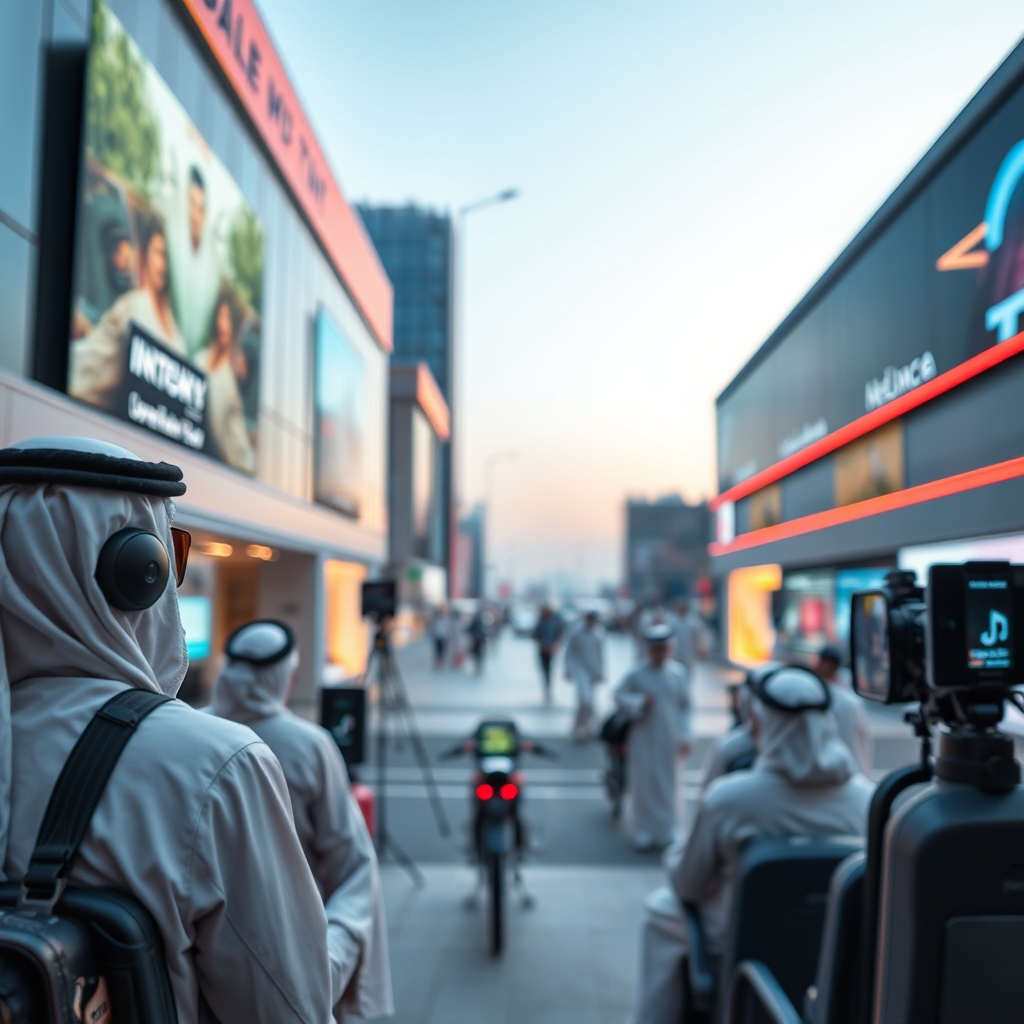
The Middle East and North Africa’s broadcast and media technology sector is expanding fast. Gulf nations, led by the UAE and Saudi Arabia, are investing heavily in satellite, streaming, and digital infrastructure. This push is reshaping how audiences consume news, entertainment, and sports across the region.
What’s driving the MENA broadcast tech surge
Three key trends are fueling growth. First, governments are prioritizing digital transformation. The UAE’s Vision 2030 and Saudi Arabia’s Vision 2030 include major media and tech upgrades. Second, demand for high-quality streaming is rising. A 2023 report showed 72% of MENA viewers now stream content weekly. Third, global events like Expo 2020 and the FIFA World Cup 2022 accelerated infrastructure development.
Satellite technology remains critical. The region’s vast geography makes satellite the most reliable way to reach remote areas. Companies like Arabsat and Yahsat are expanding capacity to meet demand. Meanwhile, 5G networks are enabling faster, smoother streaming for urban audiences.
How Gulf nations are leading the charge
The UAE and Saudi Arabia are at the forefront. Dubai Media City and twofour54 in Abu Dhabi host global media giants like CNN, BBC, and Netflix. Saudi Arabia’s NEOM project includes a $500 million media hub to attract production studios. Qatar and Kuwait are also upgrading their broadcast capabilities.
Local content is thriving. Streaming platforms like Shahid, OSN+, and Starzplay are investing in Arabic-language series and films. This shift is creating jobs and opportunities for regional talent. The MENA media market is projected to grow at 8.5% annually through 2027.
MENA broadcast tech: Key players and investments
| Country | Key Projects | Investment (USD) |
|---|---|---|
| UAE | Dubai Media City expansion, twofour54 upgrades | $300M+ |
| Saudi Arabia | NEOM media hub, MBC Group upgrades | $1B+ |
| Qatar | Al Jazeera Media Network expansion | $200M+ |
| Kuwait | New satellite broadcast center | $100M+ |
Why this matters for the Gulf
The broadcast tech boom is more than just better TV. It’s about economic diversification. The UAE’s media sector contributes 3% to GDP, with plans to double that by 2030. Saudi Arabia aims to grow its media industry’s GDP contribution from 1.5% to 5% in the same period.
For viewers, it means more choices. High-definition streaming, interactive content, and localized programming are becoming standard. Sports fans benefit too. The region’s advanced broadcast tech ensures seamless coverage of major events like the AFC Asian Cup and Formula 1 races.
Challenges remain. Piracy costs the MENA media industry $500 million annually. Cybersecurity is another concern as digital platforms grow. Governments and companies are working on solutions, including stricter regulations and advanced encryption.
What’s next for MENA broadcast tech
Artificial intelligence and cloud technology will play bigger roles. AI-driven content recommendations and automated production tools are already in use. Cloud-based broadcasting is reducing costs and improving flexibility for media companies.
Satellite technology isn’t going away. New satellites with higher capacity and better coverage are launching. Arabsat’s BADR-8, launched in 2023, covers Europe, the Middle East, and Africa with advanced features like in-orbit reconfiguration.
For businesses, the message is clear. The MENA broadcast market is open for innovation. Startups and established players alike are finding opportunities in content creation, tech development, and infrastructure.
Will the Gulf become the next global media hub? The investments and growth suggest it’s possible. BroadcastPro ME has more details on the latest developments.
What do you think? Is the Gulf on track to become a global media leader, or are there hurdles that still need addressing? Share your thoughts in the comments.

Stay Informed With the Latest & Most Important News
Previous Post
Next Post





Advertisement

-
 01UAE Team Emirates Stays Close in UCI Rankings Thanks to Tuckwell
 -
 02UAE E-Commerce Trends 2026: Why the Market Moves Fast
 -
 03Dubai Summer Surprises 2026: Full Arab Concert Lineup
 -
 04Sheikh Mohamed at G7: UAE Pledges Global Stability Role
 -
 05Windshield Sunshade in UAE Heat: Does It Actually Work?
 -
 06UAE Stocks Rally as Iran Ceasefire Talks Lift Gulf Markets
 -
 07Gulf Investors Blocked by European Rules, Saudi PIF Warns