
















Now Reading: UAE Brokers 320-Captive Swap Between Russia and Ukraine
-
01
UAE Brokers 320-Captive Swap Between Russia and Ukraine
UAE Brokers 320-Captive Swap Between Russia and Ukraine
Advertisement

UAE mediation secured a 320-captive exchange between Russia and Ukraine. See how the Gulf nation is shaping global diplomacy and why it matters to the region.
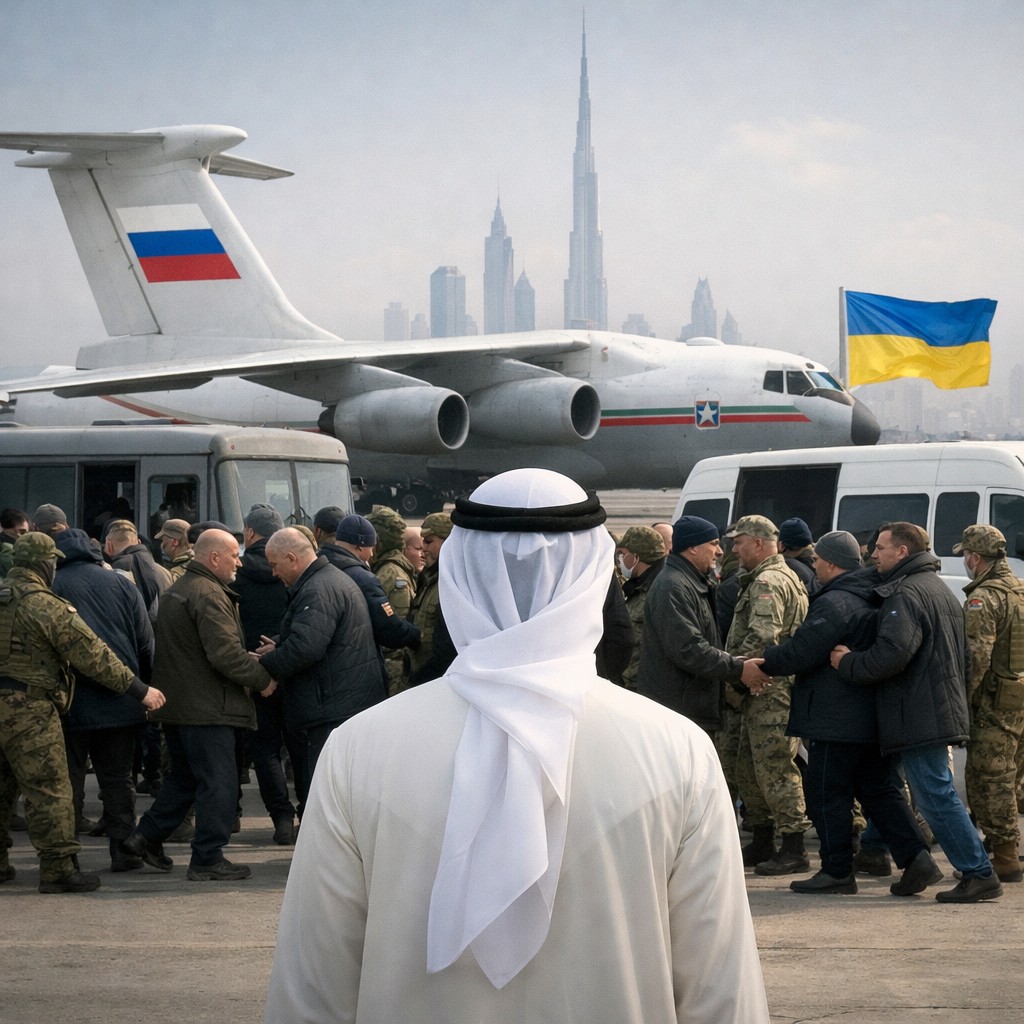
The UAE has successfully brokered the release and exchange of 320 captives between Russia and Ukraine, the latest in a series of high-stakes diplomatic interventions by Abu Dhabi. The deal marks another milestone for the Emirates as a trusted neutral party in one of the world’s most volatile conflicts.
What happened in the latest UAE-mediated prisoner swap?
The UAE Ministry of Foreign Affairs confirmed the exchange, which saw 320 captives transferred between the two warring nations. The ministry facilitated negotiations behind the scenes, working with both Moscow and Kyiv to agree terms and logistics for the handover.
Details on exactly where and when the transfer took place were not immediately released, but the ministry’s public confirmation signals Abu Dhabi’s continued willingness to act as a bridge between parties that refuse direct dialogue with each other.
How has the UAE positioned itself as a mediator in this conflict?
The Emirates has made no secret of its strategy: maintain working relationships with all sides, take no formal position on the war itself, and use that neutrality to open doors others cannot. It is a playbook Abu Dhabi has refined over years of quiet diplomacy across the Middle East, Africa and Central Asia.
This is not the first time the UAE has facilitated a prisoner swap between Russia and Ukraine. Previous rounds of mediation have gradually built trust with both governments, making Abu Dhabi the go-to channel when negotiations stall elsewhere.
Why it matters for the Gulf
For Gulf states, UAE success in brokering deals like this carries real strategic weight. It demonstrates that a small nation with no permanent UN Security Council seat can punch far above its size in global affairs.
The region also has practical stakes in the Russia-Ukraine conflict. Disruptions to global grain, energy and shipping markets caused by the war have rippled through Gulf import costs and trade routes. A diplomatic role gives the UAE leverage to protect those interests while burnishing its image as a responsible global actor.
Other Gulf Cooperation Council members are watching closely. Saudi Arabia has hosted its own Russia-Ukraine talks. Qatar has played a role in hostage negotiations in other conflicts. Abu Dhabi’s latest success adds competitive pressure on neighbours to deepen their own diplomatic footprints.
A snapshot of UAE mediation activity
- 320 captives exchanged in this latest round of UAE-facilitated talks.
- The UAE has mediated multiple prisoner swaps between Russia and Ukraine since the war escalated in 2022.
- Abu Dhabi has also facilitated humanitarian corridors and civilian evacuations at various points in the conflict.
- The UAE maintains full diplomatic and trade relations with both Russia and Ukraine simultaneously.
What does this mean for UAE foreign policy goals?
Abu Dhabi’s approach reflects a deliberate foreign policy doctrine: economic openness, strategic autonomy and active mediation as tools of influence. Rather than aligning firmly with Western or Eastern blocs, the UAE courts both, which is precisely what gives it credibility when neither side will talk to the other directly.
The Ministry of Foreign Affairs has consistently framed these efforts in humanitarian terms, focusing on the welfare of captives and their families. That framing resonates internationally and is difficult to criticise, keeping UAE diplomatic channels open regardless of how the broader war develops.
What happens next?
Both Russia and Ukraine have indicated openness to continued exchanges. With no ceasefire on the horizon, prisoner swaps remain one of the few areas where limited cooperation is possible, and the UAE appears intent on staying central to that process.
For the captives released, the exchange means returning home. For Abu Dhabi, each successful swap adds another line to a diplomatic resume that is quietly becoming one of the most impressive in the world.
Full details of the agreement were reported by the UAE Ministry of Foreign Affairs, as covered in the original report.
Disclaimer: This article covers an active geopolitical situation. Details may change as official statements are updated by governments involved.
With the UAE cementing its role as a trusted mediator between two nuclear-armed nations at war, do you think Abu Dhabi’s brand of quiet diplomacy is the Gulf’s most powerful foreign policy tool right now? Share your thoughts in the comments below.

Related Posts

Stay Informed With the Latest & Most Important News
Previous Post
Next Post






Advertisement

-
 01UAE Team Emirates Stays Close in UCI Rankings Thanks to Tuckwell
 -
 02UAE E-Commerce Trends 2026: Why the Market Moves Fast
 -
 03Dubai Summer Surprises 2026: Full Arab Concert Lineup
 -
 04Sheikh Mohamed at G7: UAE Pledges Global Stability Role
 -
 05Windshield Sunshade in UAE Heat: Does It Actually Work?
 -
 06UAE Stocks Rally as Iran Ceasefire Talks Lift Gulf Markets
 -
 07Gulf Investors Blocked by European Rules, Saudi PIF Warns