





Now Reading: UAE Sends 817 Tonnes of Aid to Gaza in Five Convoys
-
01
UAE Sends 817 Tonnes of Aid to Gaza in Five Convoys
UAE Sends 817 Tonnes of Aid to Gaza in Five Convoys
Advertisement

UAE humanitarian aid convoys deliver 817 tonnes of supplies to Gaza. See what was sent, why it matters for the Gulf, and what comes next.
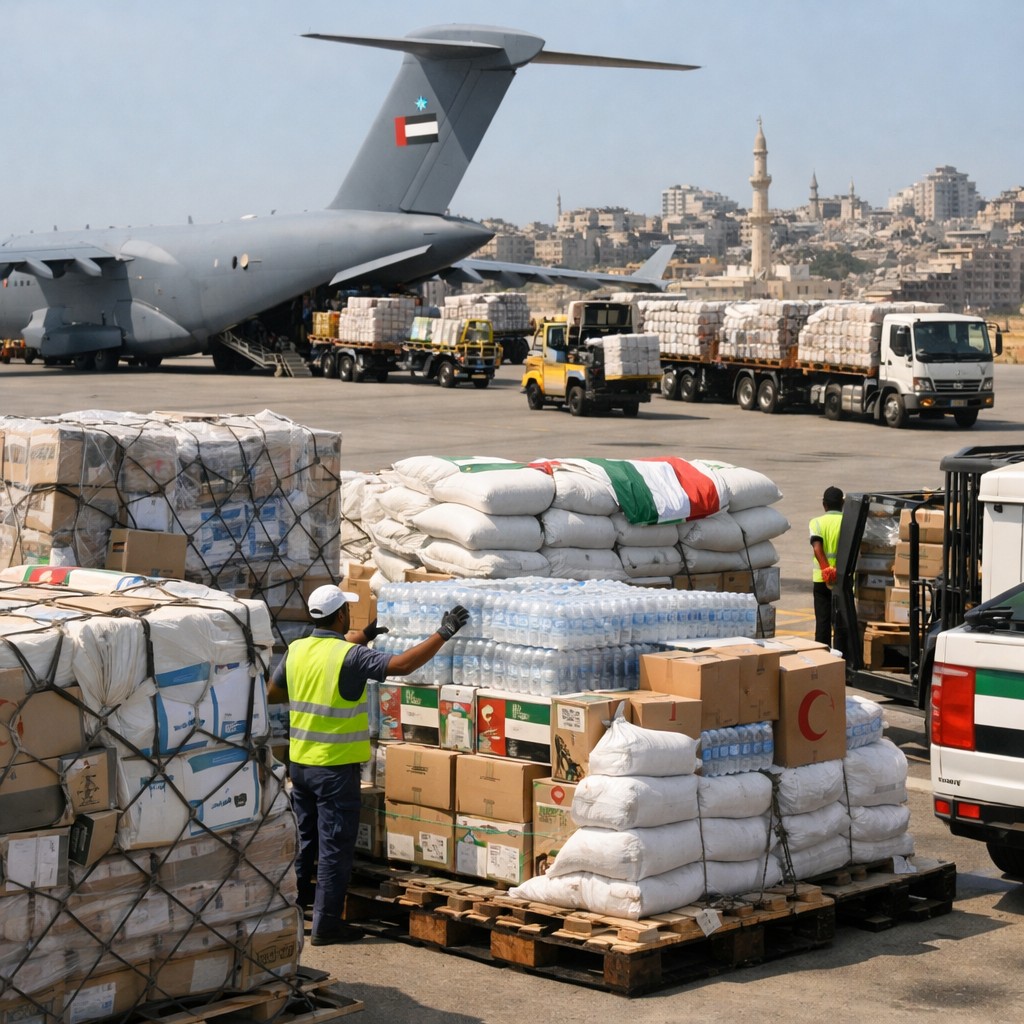
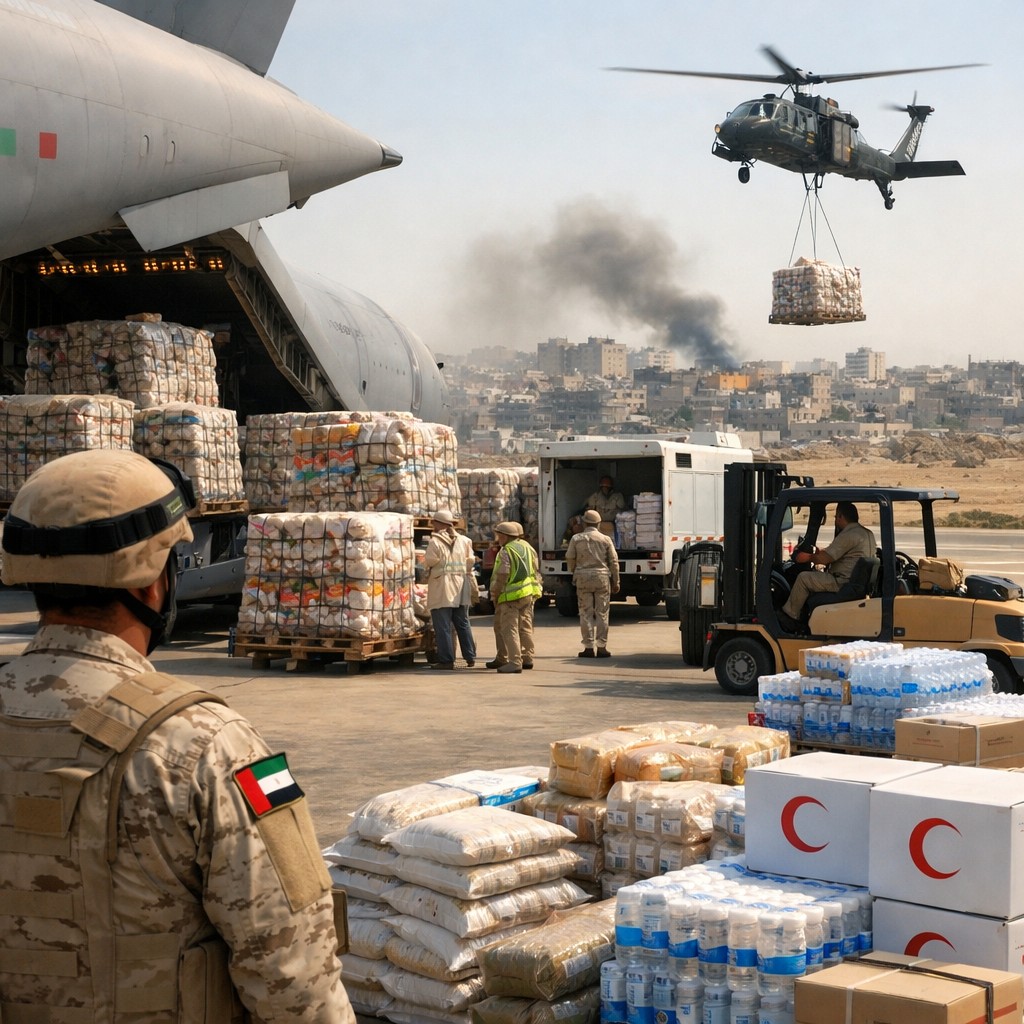
The UAE has dispatched five aid convoys into Gaza carrying a combined 817 tonnes of humanitarian supplies, reinforcing the country’s position as one of the most active Arab states in the ongoing relief effort. The deliveries cover essential goods including food, medicine, and emergency equipment for a population facing acute shortages.
What Did the UAE Send to Gaza?
The five convoys transported 817 tonnes of aid across the border into Gaza. The shipments included food parcels, medical supplies, and basic necessities for displaced families. This latest push is part of a broader, sustained UAE-led relief campaign that has been running since the conflict escalated.
How Is the UAE Delivering Aid into Gaza?
Getting supplies into Gaza has been one of the central logistical challenges of the crisis. The UAE has worked through land corridors, coordinating with international bodies and regional partners to move goods on the ground. Each convoy represents significant diplomatic and operational groundwork before a single lorry crosses the border.
Why It Matters for the Gulf
For Gulf states, the Gaza crisis carries deep political and humanitarian weight. The UAE’s consistent, large-scale aid deliveries signal a foreign policy that pairs diplomacy with direct action. Other GCC nations are watching closely, and the UAE’s operational model, coordinating convoys at scale under difficult access conditions, is increasingly being cited as a benchmark for regional humanitarian response.
Public sentiment across the Gulf remains strongly focused on Palestinian welfare. For UAE residents, these convoys are a visible sign that the government is acting, not just issuing statements.
Aid Convoy Snapshot: What 817 Tonnes Looks Like
- Convoys dispatched: 5
- Total aid weight: 817 tonnes
- Aid types: Food, medicine, emergency relief supplies
- Delivery method: Land corridors into Gaza
- Coordinating body: UAE government agencies including Emirates Red Crescent
Where Does UAE Aid Relief Stand Regionally?
The UAE has been among the Gulf’s most prolific aid contributors to Gaza since the conflict began. Its combination of air drops, sea shipments, and now large land convoys puts it ahead of most regional peers in volume and consistency of delivery. Saudi Arabia, Qatar, and Jordan have also mounted relief operations, but the UAE’s logistical infrastructure has allowed for rapid scaling.
What Happens to the Aid Once It Enters Gaza?
Distribution inside Gaza remains dangerous and complicated. Aid organisations on the ground face access restrictions, security risks, and damaged infrastructure that slows the movement of goods from entry points to families who need them. The UAE has worked with UN agencies and NGOs to improve last-mile delivery, though challenges persist across the territory.
Will More UAE Convoys Follow?
Based on the pattern of UAE relief operations over recent months, further convoys are likely. The government has repeatedly committed to sustaining and expanding its humanitarian footprint in Gaza for as long as the crisis continues. Diplomatic channels remain open to negotiate access for future deliveries.
For full details on the convoy operation, see the original report from Gulf Today.
Disclaimer: This article covers an active geopolitical and humanitarian situation. Details on the ground may change rapidly. Gulf News Blog reports based on available sourced information.
With access into Gaza still heavily restricted, do you think Gulf nations should push harder through diplomatic channels to open more aid corridors? Share your thoughts in the comments below.

Related Posts


Stay Informed With the Latest & Most Important News
Previous Post
Next Post




Advertisement

-
 01Sheikh Mohamed at G7: UAE Pledges Global Stability Role
 -
 02UAE Team Emirates Stays Close in UCI Rankings Thanks to Tuckwell
 -
 03Gulf Investors Blocked by European Rules, Saudi PIF Warns
 -
 04UAE Stocks Rally as Iran Ceasefire Talks Lift Gulf Markets
 -
 05UAE Tourism 2025: UK Lifts Warning as Hotels and Flights Boom
 -
 06Working on a Public Holiday in UAE: Know Your Rights
 -
 07Windshield Sunshade in UAE Heat: Does It Actually Work?