

















Now Reading: UAE Aid Convoys Deliver 416 Tonnes of Relief to Gaza
-
01
UAE Aid Convoys Deliver 416 Tonnes of Relief to Gaza
UAE Aid Convoys Deliver 416 Tonnes of Relief to Gaza

Advertisement

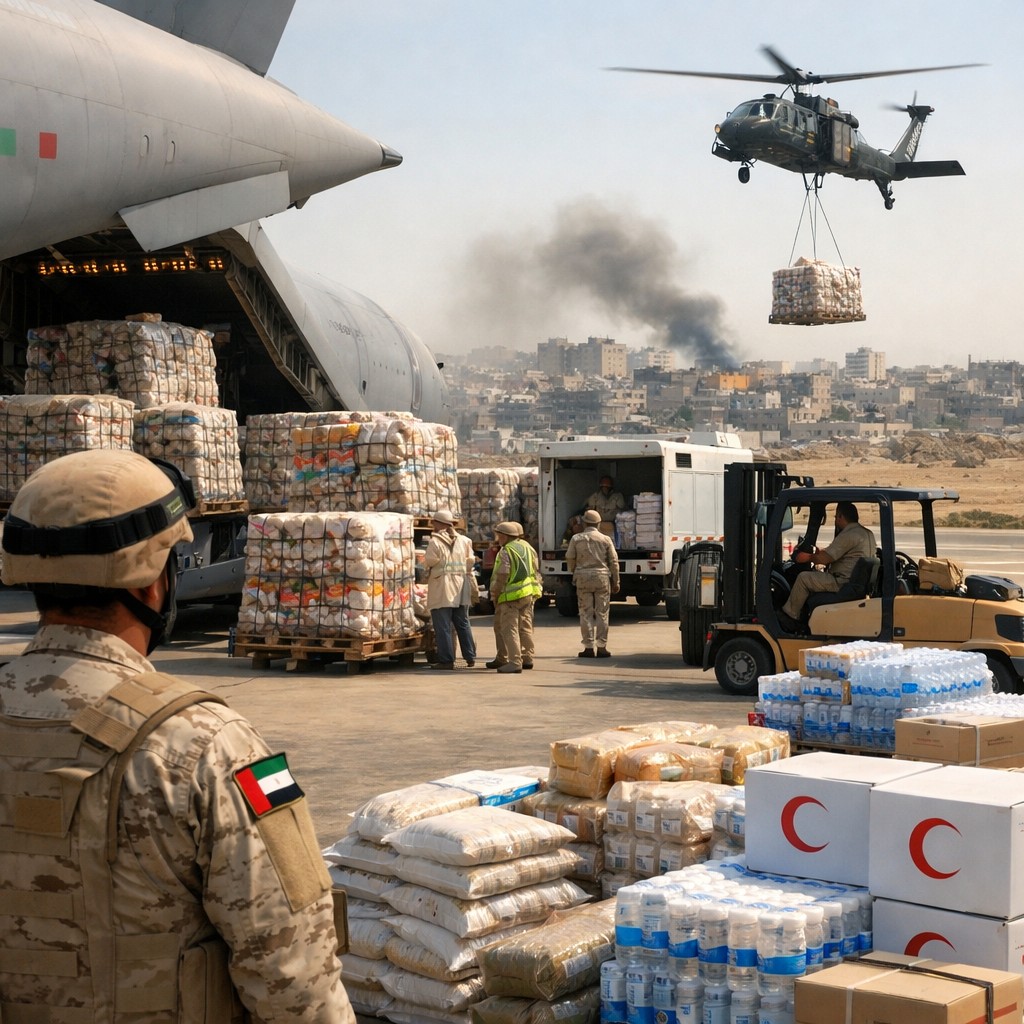
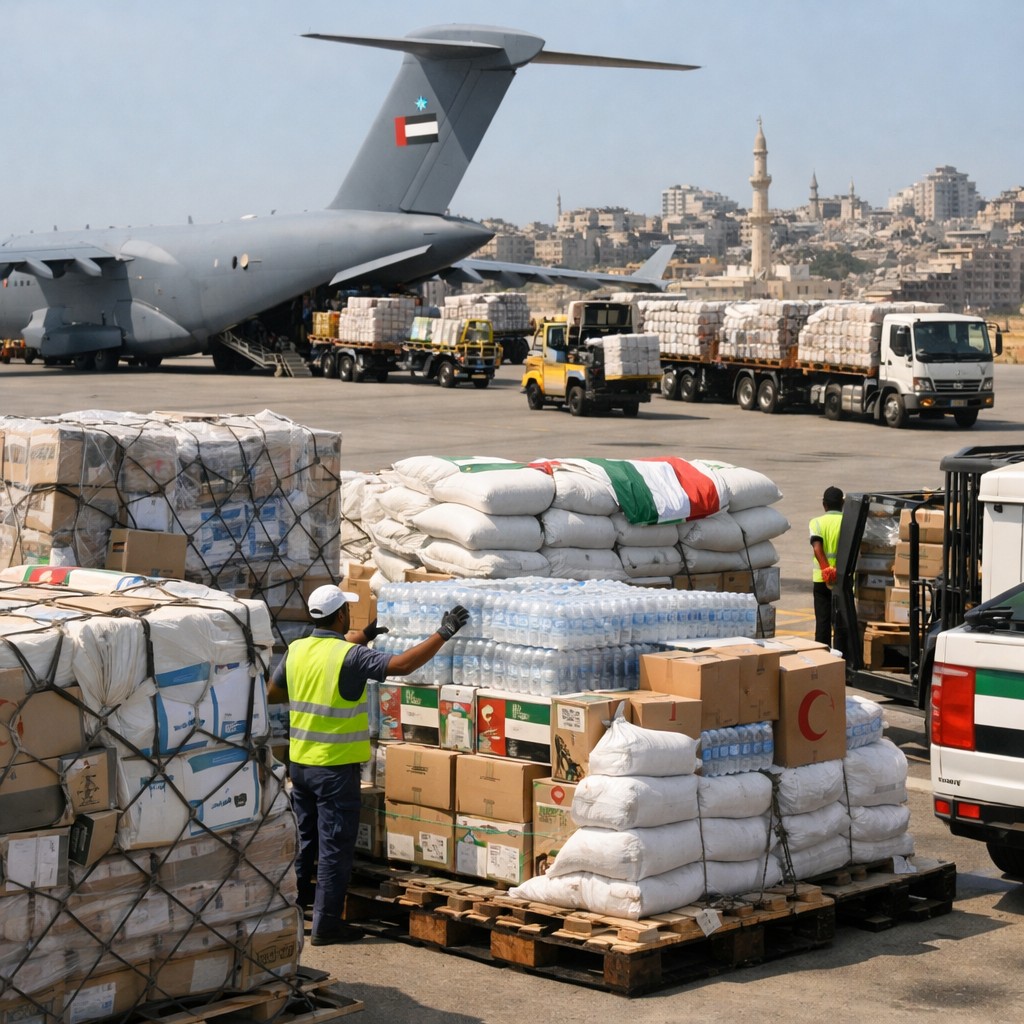
Four UAE aid convoys entered Gaza carrying 416 tonnes of relief supplies. Here's what the mission delivered and why it matters for the Gulf region.
Four UAE aid convoys have entered Gaza, delivering 416 tonnes of humanitarian relief supplies to civilians caught in the ongoing conflict. The operation underscores the UAE’s continued push to maintain supply lines into one of the world’s most acute humanitarian crises.
What Did the UAE Convoys Carry Into Gaza?
The four convoys transported a combined 416 tonnes of essential relief goods, according to the original report. While a full breakdown of cargo was not published, aid missions of this scale typically include food staples, medical equipment, clean water provisions, and shelter materials.
Getting supplies into Gaza has required significant logistical coordination, with convoys navigating complex access restrictions and security conditions on the ground.
Why Is the UAE Sending Aid to Gaza?
The UAE has positioned humanitarian assistance to Gaza as a national priority since hostilities escalated. Abu Dhabi has repeatedly called for civilian protection and unimpeded aid access through diplomatic channels, backing those statements with ground-level delivery operations.
The Emirates operates several aid corridors and has worked alongside international partners to keep relief flowing even as crossing conditions fluctuate. This latest convoy movement is part of that sustained effort, not a one-off gesture.
Why It Matters for the Gulf
For Gulf states, the Gaza crisis carries political, humanitarian, and reputational weight in equal measure. Public sentiment across the Arab world remains intensely focused on Palestinian civilian suffering, and governments that visibly act, rather than just issue statements, strengthen their standing both regionally and internationally.
The UAE’s convoy operations also demonstrate the country’s logistical capacity to project humanitarian power, a soft-power asset that matters in Gulf diplomacy. Saudi Arabia, Qatar, and Kuwait have similarly launched aid initiatives, making the region collectively one of the more active humanitarian contributors to Gaza relief efforts.
UAE Gaza Aid at a Glance
- Convoys dispatched (this operation): 4
- Total supplies delivered: 416 tonnes
- Aid type: Humanitarian relief (food, medicine, essentials)
- Coordination: UAE government-led with international partners
How Does This Compare to Gulf Aid Efforts?
The broader Gulf response to the Gaza crisis has involved multiple countries running parallel aid pipelines. Qatar has facilitated diplomatic negotiations alongside relief deliveries. Saudi Arabia has channelled funds through the King Salman Humanitarian Aid and Relief Centre. Kuwait and Bahrain have contributed through national campaigns and international agencies.
The UAE’s approach leans on direct convoy logistics, reflecting the operational infrastructure it has built through years of humanitarian missions in Yemen, Syria, and Sudan. Moving 416 tonnes across four convoys in a single operation is a meaningful logistical achievement given current access challenges.
What Happens Next?
Aid organisations warn that Gaza’s needs far outpace current supply volumes. Infrastructure damage, restricted crossing points, and active conflict zones continue to limit the pace and scale of deliveries. The UAE has not announced a ceiling on its relief commitment, suggesting further operations are likely.
Diplomatic pressure from Gulf states for sustained humanitarian access continues at the UN and in bilateral talks with key players. Whether that pressure translates into more reliable crossing access will determine how effectively large-scale convoys can keep operating.
Disclaimer: This article covers an active geopolitical and humanitarian situation. Conditions on the ground may change rapidly. Readers are encouraged to follow official UAE government sources for the latest updates.
With Gaza’s humanitarian needs still far from met, do you think Gulf nations should be doing more to pressure for permanent, unrestricted aid access? Share your thoughts in the comments below.

Related Posts

Stay Informed With the Latest & Most Important News
Previous Post
Next Post







Advertisement

-
 01UAE Team Emirates Stays Close in UCI Rankings Thanks to Tuckwell
 -
 02UAE E-Commerce Trends 2026: Why the Market Moves Fast
 -
 03Dubai Summer Surprises 2026: Full Arab Concert Lineup
 -
 04Sheikh Mohamed at G7: UAE Pledges Global Stability Role
 -
 05Windshield Sunshade in UAE Heat: Does It Actually Work?
 -
 06UAE Stocks Rally as Iran Ceasefire Talks Lift Gulf Markets
 -
 07Gulf Investors Blocked by European Rules, Saudi PIF Warns