















Now Reading: UAE Economy Stays Resilient: What the IMF Found
-
01
UAE Economy Stays Resilient: What the IMF Found
UAE Economy Stays Resilient: What the IMF Found

Advertisement

The IMF says the UAE economy remains resilient despite regional tensions. Here's what that means for residents, investors, and the broader Gulf. Click to read.
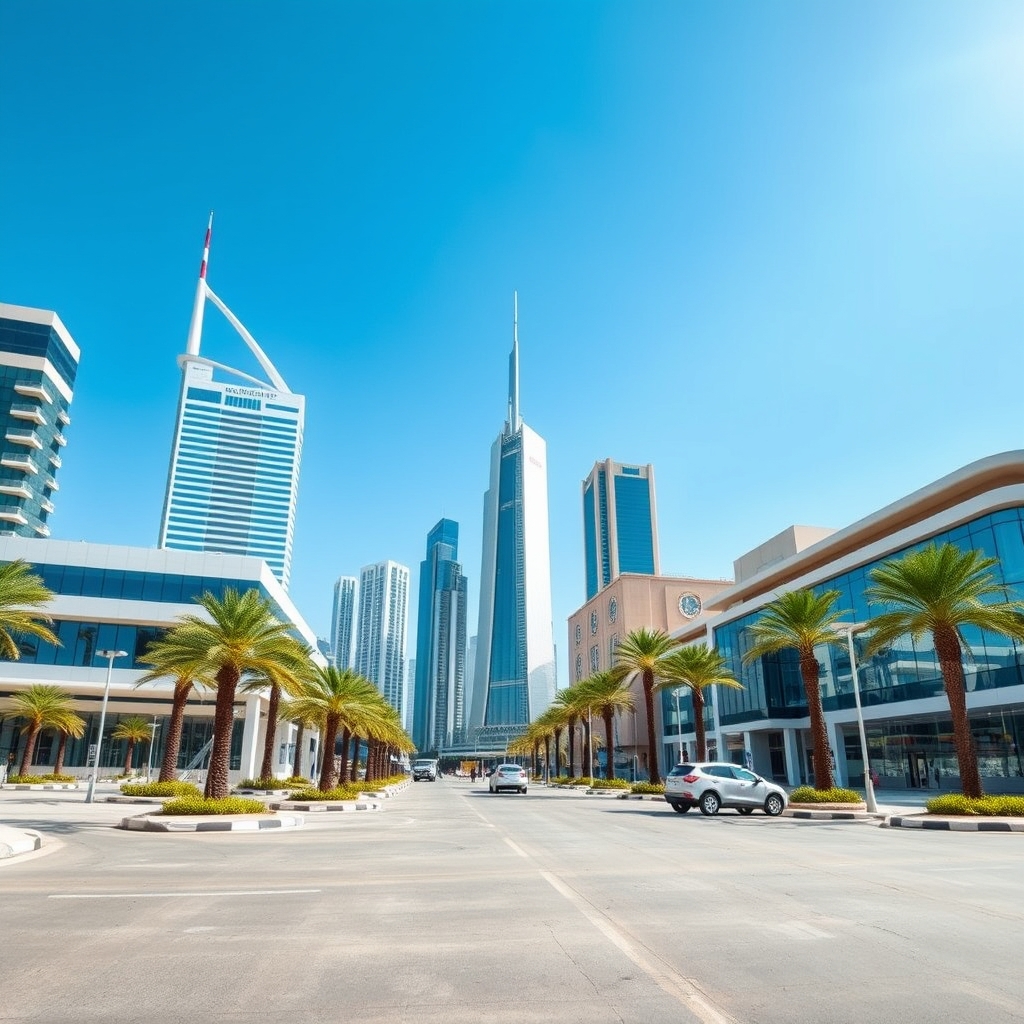
The International Monetary Fund has given the UAE economy a vote of confidence, describing it as resilient in the face of ongoing regional tensions. The assessment signals that the country’s diversification push and strong non-oil sector activity are doing enough to offset geopolitical headwinds that have rattled markets elsewhere in the region.
What Did the IMF Actually Say About the UAE?
According to the original report via Zawya, the IMF highlighted that the UAE has managed to maintain economic stability even as conflict and instability continue to affect parts of the wider Middle East. The Fund pointed to the country’s structural reforms and its ability to attract foreign investment as key buffers against external shocks.
This kind of endorsement from the IMF carries weight. It influences sovereign credit perceptions, investor sentiment, and capital flows into the region.
Why It Matters for the Gulf
The UAE sits at the center of Gulf trade, logistics, and finance. When the IMF signals confidence in its trajectory, the ripple effect touches businesses and governments across the GCC. Bahrain, Kuwait, Oman, and Saudi Arabia all maintain deep trade and financial ties with the UAE, meaning stability here reduces systemic risk across the bloc.
For expatriates and residents, the message is equally relevant. A resilient economy generally supports job creation, real estate demand, and consumer confidence, all things that affect daily life in Dubai and Abu Dhabi.
What Is Driving UAE Economic Stability?
Several factors are keeping the UAE on solid footing. The non-oil economy, particularly tourism, financial services, and logistics, has grown steadily as part of the government’s long-term Vision strategies. Dubai recorded record tourist arrivals in recent years, and Abu Dhabi continues to attract sovereign wealth and infrastructure investment.
Trade corridors through Jebel Ali remain among the busiest in the world, and the UAE’s position as a neutral business hub has, if anything, been reinforced by regional instability, as companies and capital seek safe and efficient operating bases.
How Does the UAE Compare in the Region?
- UAE: Described by IMF as resilient, driven by diversification and foreign investment inflows
- Saudi Arabia: Managing oil revenue adjustments while pushing Vision 2030 reforms
- Egypt: Facing significant currency and debt pressures, IMF program in place
- Jordan/Lebanon: Under strain from regional conflict spillovers and fiscal constraints
The contrast is stark. While several regional economies are navigating IMF bailout terms or currency crises, the UAE is being cited as a model of durability.
Are There Any Risks on the Horizon?
The IMF’s positive assessment does not mean the UAE is insulated from everything. Prolonged conflict in the region could disrupt shipping routes, dampen tourism from certain markets, or tighten global risk appetite in ways that slow investment. Oil price volatility, though less central than it once was to UAE revenues, still shapes government budgets and regional spending power.
There is also the question of global monetary conditions. Higher-for-longer interest rates in the United States directly affect the UAE, given the dirham’s peg to the dollar, influencing borrowing costs for businesses and mortgage holders alike.
What Investors and Residents Should Watch
Keep an eye on the IMF’s formal Article IV consultation report for the UAE when it is published, as it will contain more granular forecasts and policy recommendations. For now, the headline signal is clear: the institution sees the UAE as a stable and well-managed economy in a turbulent neighborhood.
For businesses considering the Gulf as a base, that assessment adds another data point to an already compelling case. For those already here, it supports a cautiously optimistic outlook on growth, hiring, and investment activity through the rest of 2025.
Disclaimer: This article covers financial and economic topics. It is intended for informational purposes only and does not constitute financial or investment advice.
Do you think the UAE’s economic resilience is sustainable long-term given the pressures building across the wider Middle East? Share your thoughts in the comments below.

Related Posts


Stay Informed With the Latest & Most Important News
Previous Post
Next Post






Advertisement

-
 01UAE Team Emirates Stays Close in UCI Rankings Thanks to Tuckwell
 -
 02UAE E-Commerce Trends 2026: Why the Market Moves Fast
 -
 03Dubai Summer Surprises 2026: Full Arab Concert Lineup
 -
 04Sheikh Mohamed at G7: UAE Pledges Global Stability Role
 -
 05Windshield Sunshade in UAE Heat: Does It Actually Work?
 -
 06UAE Stocks Rally as Iran Ceasefire Talks Lift Gulf Markets
 -
 07Gulf Investors Blocked by European Rules, Saudi PIF Warns