
















Now Reading: Hospitality Export: How the Gulf Is Selling Its Tourism Formula
-
01
Hospitality Export: How the Gulf Is Selling Its Tourism Formula
Hospitality Export: How the Gulf Is Selling Its Tourism Formula
Advertisement

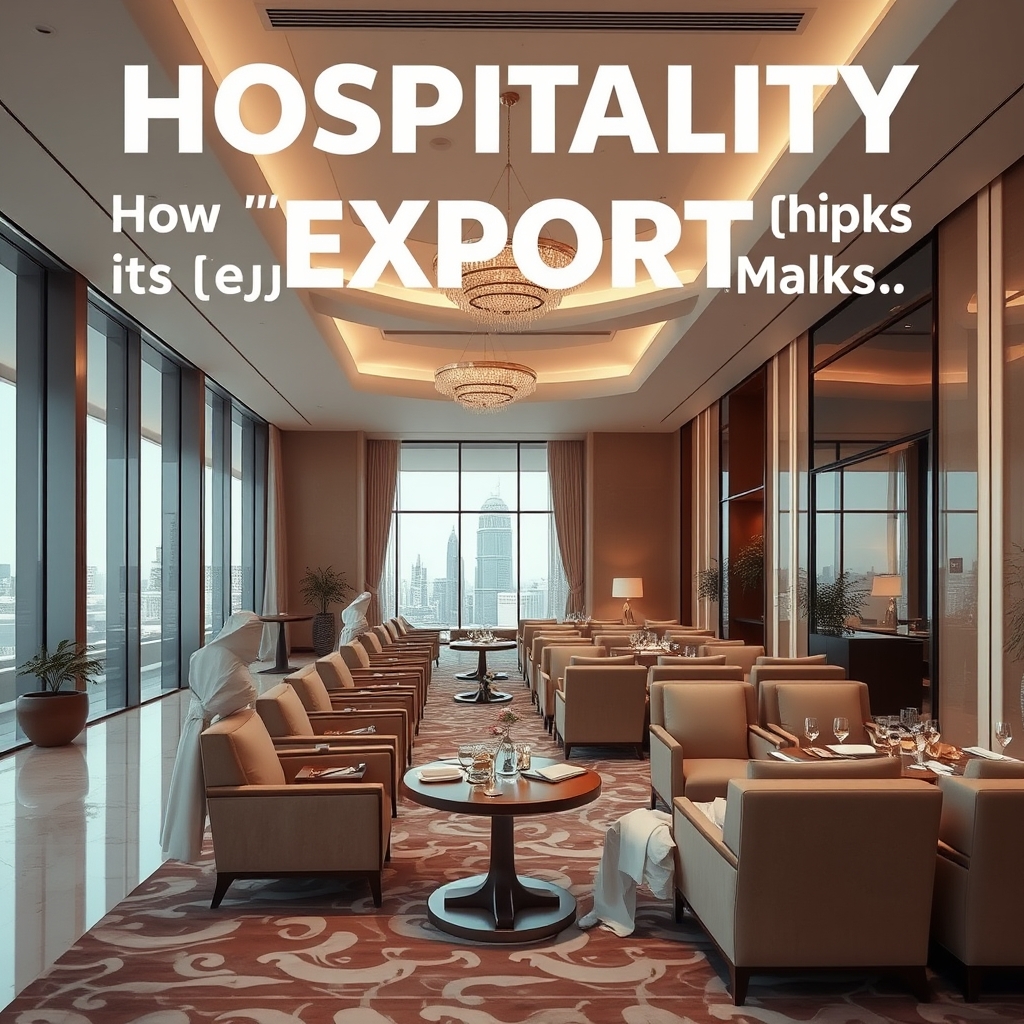
The Gulf's hospitality export model is reshaping global tourism. Here's why the region's service formula is attracting international interest and investment.
The Gulf region is no longer just a destination, it is becoming a blueprint. From Dubai’s hotel management groups to Abu Dhabi’s luxury resort operators, Gulf-based hospitality brands are expanding their reach abroad, exporting a service model that has been refined over decades of high-stakes tourism investment.
What Is the Hospitality Export Trend?
Gulf hospitality groups are taking the operational standards and guest-experience culture developed at home and applying them to properties in Europe, Asia, and Africa. This is not simply about ownership. It is about management contracts, branding agreements, and the export of a distinct service philosophy that prioritises personalisation and scale.
The logic is straightforward. The UAE and wider Gulf have spent years building some of the world’s most visited and most reviewed hotel properties. That institutional knowledge has commercial value far beyond the region’s borders.
Why Is the Gulf Well-Positioned to Lead This Shift?
Few regions have invested as heavily and as consistently in tourism infrastructure. The UAE alone has cultivated a hospitality sector that serves tens of millions of visitors annually, demanding constant innovation in guest services, F&B, and event management.
That pressure has produced operators who understand both ultra-luxury expectations and the logistics of mass hospitality at the same time. That combination is rare globally and increasingly attractive to international hotel owners seeking capable management partners.
Why It Matters for the Gulf
For GCC economies pushing ahead with diversification away from oil revenues, hospitality exports represent a meaningful revenue stream that does not depend on commodity prices. When a Gulf-headquartered group manages a resort in Southeast Asia or a city hotel in London, the management fees, brand royalties, and consulting income flow back into the region.
It also strengthens soft power. A Gulf-branded hospitality experience operating in another country is a form of cultural and commercial diplomacy, reinforcing the region’s image as a global business and tourism hub.
What Does the Hospitality Export Model Look Like in Practice?
Typically it involves one or more of the following arrangements:
- Management contracts: A Gulf operator runs a foreign-owned property under its own brand or standards.
- Franchise agreements: International owners license the Gulf brand and its operational systems.
- Consulting and training: Gulf hospitality groups sell expertise directly, training local staff and designing service frameworks.
- Equity investments: Some regional players take partial ownership stakes in overseas properties alongside management roles.
Which Markets Are Attracting Gulf Hospitality Investment?
Africa and South Asia are emerging as priority destinations for Gulf-led hospitality expansion, driven by growing middle-class travel demand and underdeveloped luxury supply. European acquisitions continue as well, particularly in the UK, France, and Spain, where Gulf sovereign wealth and private capital has long been active in real estate.
The appetite is not limited to five-star properties. Mid-scale and lifestyle hotel segments are also drawing interest, as Gulf operators look to capture a broader share of the global market rather than compete only at the top end.
Challenges the Industry Still Faces
Exporting a service culture is harder than exporting a product. Staff training, brand consistency, and maintaining quality across time zones and regulatory environments all create friction. Gulf operators entering new markets must also navigate local labour laws, supply chains, and consumer expectations that differ sharply from the GCC environment they know best.
Currency risk and geopolitical uncertainty in some target markets add another layer of complexity, particularly for groups expanding into emerging economies.
What the Gulf Hospitality Sector Should Watch Next
Sustainability credentials are fast becoming a prerequisite for international hotel investment. Gulf operators expanding abroad will need to demonstrate environmental and social governance standards that satisfy European and North American investors and consumers. This is an area where the region has room to develop further, though several major players have already begun integrating green standards into their expansion strategies.
Technology integration, particularly AI-driven guest personalisation and revenue management, will also separate competitive Gulf exporters from those relying purely on reputation and capital.
For more detail on the hospitality export trend and its broader economic context, read the original report.
As Gulf hospitality brands push further into international markets, the question becomes whether they can maintain the service identity that made them attractive in the first place, or whether global scale will dilute what sets them apart. What do you think: is the Gulf’s hospitality model strong enough to travel? Share your view in the comments.

Related Posts



Stay Informed With the Latest & Most Important News
Previous Post
Next Post





Advertisement

-
 01UAE Team Emirates Stays Close in UCI Rankings Thanks to Tuckwell
 -
 02UAE E-Commerce Trends 2026: Why the Market Moves Fast
 -
 03Dubai Summer Surprises 2026: Full Arab Concert Lineup
 -
 04Sheikh Mohamed at G7: UAE Pledges Global Stability Role
 -
 05Windshield Sunshade in UAE Heat: Does It Actually Work?
 -
 06UAE Stocks Rally as Iran Ceasefire Talks Lift Gulf Markets
 -
 07Gulf Investors Blocked by European Rules, Saudi PIF Warns