
















Now Reading: Saudi Arabia Credit Rating Held by Fitch, Growth Slows
-
01
Saudi Arabia Credit Rating Held by Fitch, Growth Slows
Saudi Arabia Credit Rating Held by Fitch, Growth Slows
Advertisement

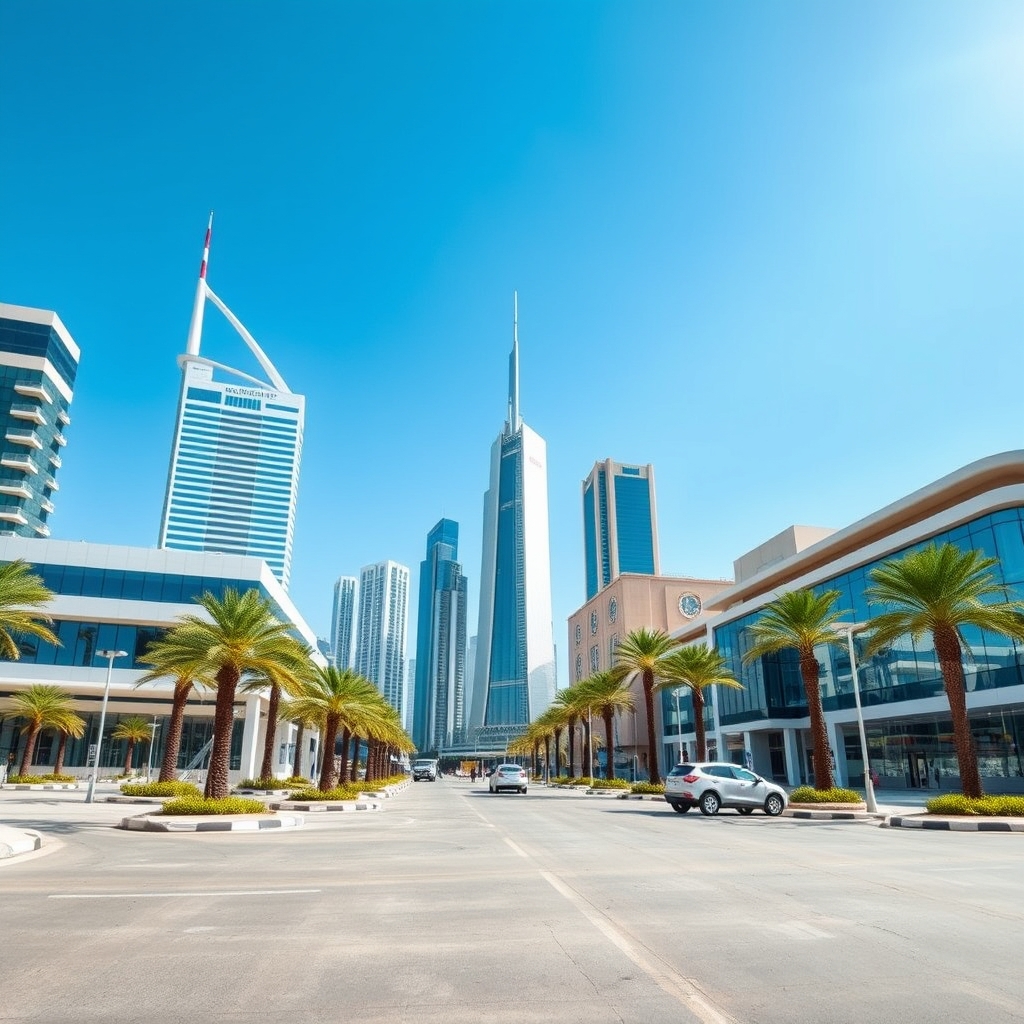
Fitch keeps Saudi Arabia's credit rating steady but warns of slower growth tied to oil and regional conflict. Here's what it means for Gulf investors.
Fitch Ratings has reaffirmed Saudi Arabia’s sovereign credit rating, holding the kingdom at a stable outlook. But the agency flagged a dimmer near-term growth picture, pointing to lower oil revenues and the economic drag created by ongoing conflict in the wider region.
What did Fitch say about Saudi Arabia’s rating?
The agency kept its assessment of the kingdom’s creditworthiness intact, a vote of confidence in Saudi Arabia’s fiscal management and its substantial financial reserves. Fitch acknowledged the country’s strong balance sheet and the government’s continued push to diversify revenue under Vision 2030.
However, the rating comes with caveats. Fitch sees growth decelerating, pressured by weaker oil output and prices, along with the uncertainty rippling through the Middle East because of regional hostilities.
Why is growth slowing in Saudi Arabia?
Two forces are squeezing the Saudi economy simultaneously. First, the kingdom has been participating in OPEC+ production cuts, which limit the volume of oil it can export even when global demand holds up. Second, conflict in the region is clouding the investment and tourism outlook, areas the government has spent years trying to build up as pillars of a post-oil economy.
These pressures are not fatal to Saudi finances, but they do push back the timeline for hitting ambitious economic targets.
Why it matters for the Gulf
Saudi Arabia is the Arab world’s largest economy. When Fitch signals caution on its growth trajectory, investors and policymakers from Abu Dhabi to Kuwait take note. The kingdom’s spending power, its appetite for regional infrastructure projects, and its role in setting the tone for Gulf sovereign wealth strategy all hinge on oil revenue staying healthy.
A slower Saudi economy can ripple into trade flows, construction contracts, and the broader Gulf labor market. For UAE businesses with cross-border exposure, this is a signal worth watching closely.
How does Saudi Arabia compare to regional peers?
| Country | Fitch Rating | Outlook |
|---|---|---|
| Saudi Arabia | Maintained (current cycle) | Stable |
| UAE | AA- | Stable |
| Kuwait | AA- | Stable |
Note: Ratings reflect publicly available data and may not capture the latest agency updates for all countries listed.
Can Vision 2030 offset the oil slowdown?
That is the central question hanging over Saudi economic planning. Riyadh has poured billions into tourism, entertainment, sports and technology in a bid to reduce dependence on crude. Mega-projects like NEOM and the Red Sea development are designed to generate non-oil GDP growth for decades.
But those projects take time to mature, and in the short term the economy still leans heavily on petroleum revenues. A prolonged period of lower oil prices or deeper production cuts could force the government to slow its investment pace or draw on reserves more aggressively.
What about regional conflict risk?
Fitch specifically cited war challenges as a factor shaping the outlook. The conflict in Gaza and broader regional tensions have added a layer of geopolitical risk that markets price in cautiously. Saudi Arabia has so far avoided direct military involvement in the latest cycle of fighting, but proximity matters to ratings agencies assessing sovereign risk.
For Gulf investors and businesses, the message from Fitch is that stability is intact for now, but the growth engine is running at a lower speed than Riyadh would prefer.
For the full analysis behind the rating decision, read the original report via The National News.
Do you think Vision 2030’s diversification push will be enough to cushion Saudi Arabia from prolonged oil price weakness, or is the kingdom still too dependent on crude? Share your view in the comments.
Disclaimer: This article is for informational purposes only and does not constitute financial or investment advice. Consult a qualified financial professional before making investment decisions.

Related Posts


Stay Informed With the Latest & Most Important News
Previous Post
Next Post






Advertisement

-
 01UAE Team Emirates Stays Close in UCI Rankings Thanks to Tuckwell
 -
 02UAE E-Commerce Trends 2026: Why the Market Moves Fast
 -
 03Dubai Summer Surprises 2026: Full Arab Concert Lineup
 -
 04Sheikh Mohamed at G7: UAE Pledges Global Stability Role
 -
 05Windshield Sunshade in UAE Heat: Does It Actually Work?
 -
 06UAE Stocks Rally as Iran Ceasefire Talks Lift Gulf Markets
 -
 07Gulf Investors Blocked by European Rules, Saudi PIF Warns