

















Now Reading: Gulf Travel Demand Stays Strong Despite Regional Tensions
-
01
Gulf Travel Demand Stays Strong Despite Regional Tensions
Gulf Travel Demand Stays Strong Despite Regional Tensions
Advertisement

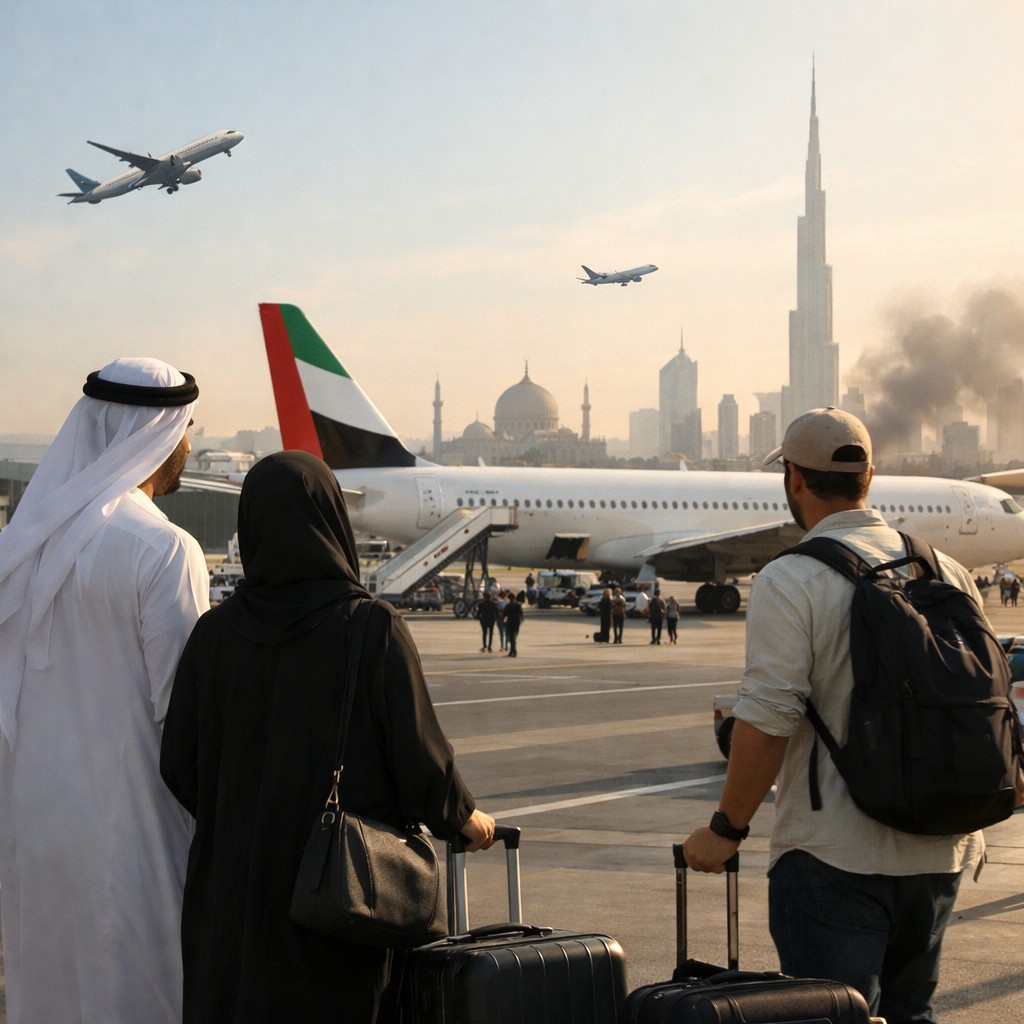
Gulf travel demand remains resilient even as regional tensions reshape global tourism patterns. Here's what it means for UAE travellers and the industry.
Regional tensions in the Gulf are changing how travellers plan routes and choose destinations, but overall demand has held firm. A new report finds that while booking patterns have shifted noticeably, appetite for travel to and through the Gulf remains strong, with the UAE continuing to anchor the region’s tourism appeal.
How Are Gulf Tensions Changing Travel Patterns?
Travellers and airlines are recalibrating. Some routes through contested airspace have been adjusted, and certain origin markets have seen softer bookings to specific Gulf destinations. Despite that, the broader picture shows resilience, with hubs like Dubai and Abu Dhabi absorbing redirected traffic and maintaining passenger volumes.
The report notes that demand has not collapsed, it has reorganised. Travellers are still moving; they are simply choosing different entry points or layover cities depending on perceived risk and carrier guidance.
Why It Matters for the Gulf
The UAE sits at the centre of this story. Dubai International Airport remains one of the world’s busiest transit hubs, and any sustained disruption to regional flight paths would hit connectivity, cargo, and tourism revenue simultaneously. The finding that demand is holding offers reassurance to airlines, hoteliers, and the wider hospitality sector that has rebuilt steadily since 2020.
Abu Dhabi’s Etihad and Dubai’s Emirates have both expanded capacity in recent years, betting on long-term growth in international travel through the Gulf corridor. A resilient demand environment supports that strategy, even if individual routes require ongoing adjustment.
What Travel Segments Are Being Affected?
Leisure travel has proved more elastic than business travel. Corporate travellers tend to stick with established itineraries unless security advisories force a change, while leisure tourists have shown greater willingness to swap destinations or timing in response to news coverage of regional friction.
Budget carriers serving South Asia and East Africa routes through the Gulf have watched their load factors closely. So far, occupancy on those corridors has remained competitive, according to the report.
Key Takeaways From the Report
- Global travel demand is resilient despite Gulf tensions reshaping routes.
- Transit hubs in the UAE are absorbing rerouted passenger flows.
- Leisure travellers are more flexible than business travellers in adjusting plans.
- Airline capacity decisions in the region have not reversed course.
- Cargo and connectivity are secondary pressure points alongside passenger tourism.
Will Travellers Keep Choosing the UAE?
The short answer is yes, for now. The UAE’s combination of world-class infrastructure, visa accessibility, and positioning between East and West makes it difficult to bypass for millions of transit and destination travellers each year. As long as ground-level safety perceptions remain stable, the fundamentals supporting inbound tourism hold.
Tourism authorities in Dubai and Abu Dhabi have also invested heavily in events, sports, and cultural programming that draw visitors regardless of geopolitical noise elsewhere in the region. That diversification of the visitor proposition matters when headlines create uncertainty.
What Should Gulf Travellers Do Now?
Check airline advisories before booking, particularly for routes that pass through or near areas of reported tension. Travel insurance policies vary widely on coverage for disruptions linked to geopolitical events, so reading the fine print before purchasing is worth your time.
Most major carriers operating out of the UAE are updating routing in real time and communicating changes through their apps and booking platforms. Staying flexible on travel dates, where possible, reduces exposure to last-minute disruption costs.
For full findings and methodology, see the original report.
Disclaimer: This article covers geopolitical and travel industry developments. Readers should consult official government travel advisories and their airline before making bookings.
Do you think regional tensions have changed how you plan travel through the Gulf? Share your experience in the comments below.

Related Posts


Stay Informed With the Latest & Most Important News
Previous Post
Next Post






Advertisement

-
 01UAE Team Emirates Stays Close in UCI Rankings Thanks to Tuckwell
 -
 02UAE E-Commerce Trends 2026: Why the Market Moves Fast
 -
 03Dubai Summer Surprises 2026: Full Arab Concert Lineup
 -
 04Sheikh Mohamed at G7: UAE Pledges Global Stability Role
 -
 05Windshield Sunshade in UAE Heat: Does It Actually Work?
 -
 06UAE Stocks Rally as Iran Ceasefire Talks Lift Gulf Markets
 -
 07Gulf Investors Blocked by European Rules, Saudi PIF Warns