

















Now Reading: Qatar Joins UAE & Turkey: Free Visa Help for Stranded Travelers
-
01
Qatar Joins UAE & Turkey: Free Visa Help for Stranded Travelers
Qatar Joins UAE & Turkey: Free Visa Help for Stranded Travelers

Advertisement

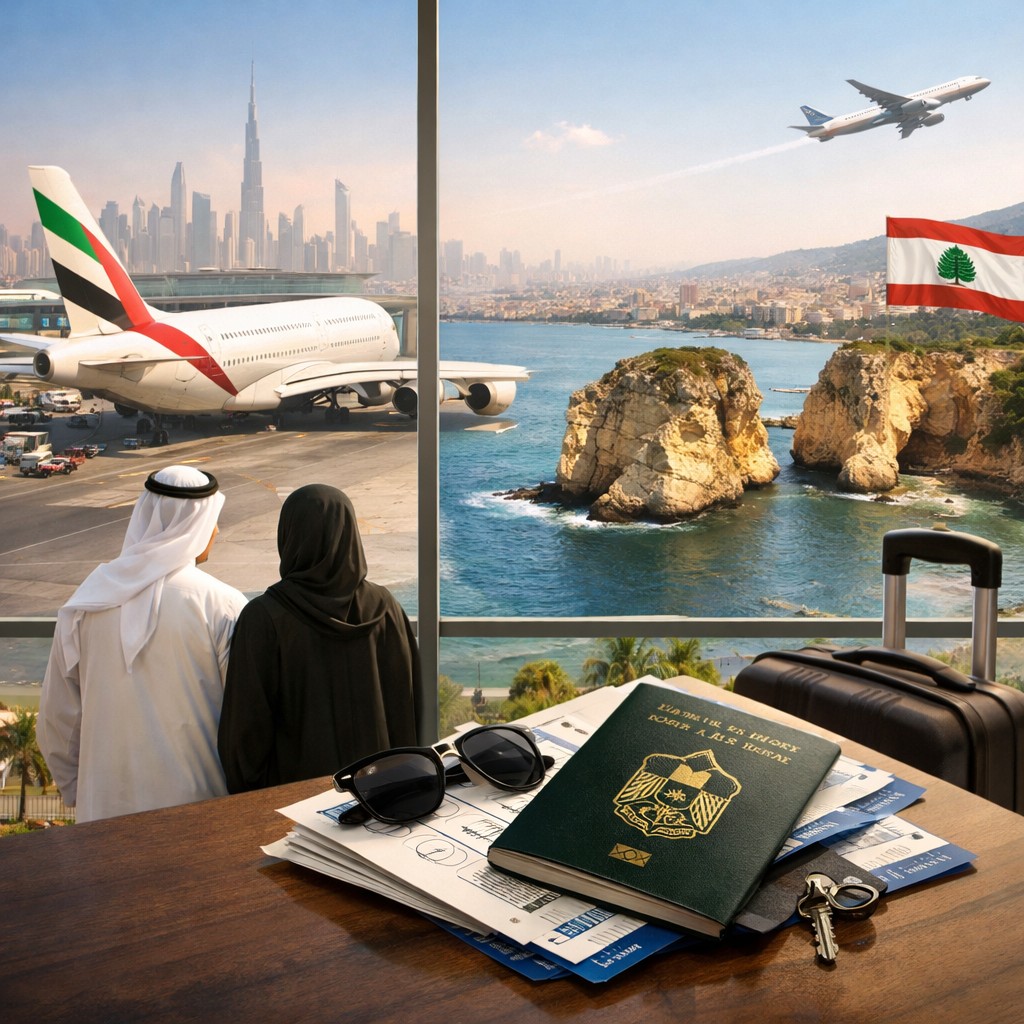
Qatar, UAE, Turkey, Bahrain and Israel are offering automatic visa extensions for stranded travelers. Here's what Gulf residents need to know right now.
Qatar has joined the UAE, Turkey, Bahrain, Israel and several other regional nations in rolling out emergency travel relief measures, including automatic visa extensions, waived overstay penalties and streamlined exit permits, for travelers stranded in Doha, Dubai, Istanbul, Manama and Tel Aviv due to disruptions beyond their control.
What countries are offering visa relief to stranded travelers?
The coordinated response spans some of the region’s busiest transit hubs. Authorities in multiple countries have confirmed they will not penalize travelers who find themselves unable to leave due to flight cancellations, medical emergencies or regional disruptions.
Here is a snapshot of what each country is reportedly offering, according to the original report:
| Country | City / Hub | Relief Measure |
|---|---|---|
| Qatar | Doha | Automatic visa extensions, penalty waivers |
| UAE | Dubai | Overstay penalty suspension, exit permit support |
| Turkey | Istanbul | Automatic visa extensions |
| Bahrain | Manama | Penalty waivers for overstays |
| Israel | Tel Aviv | Exit permit facilitation, visa relief |
How does Qatar’s visa relief work for travelers in Doha?
Qatar’s measures are automatic, meaning stranded visitors do not need to file a formal application to receive an extension. Penalties for overstaying are suspended for those who can demonstrate their situation arose from circumstances outside their control. The move puts Doha in line with other regional hubs that have adopted similar no-fault approaches to unexpected travel disruptions.
Travelers are still advised to inform the relevant immigration authorities or their airline of their situation as early as possible, even where the extension is automatic.
Why it matters for the Gulf
The Gulf region handles an enormous volume of transit and tourist traffic every year. Dubai alone is one of the world’s top-three busiest international airports by passenger numbers, and Doha’s Hamad International Airport is a primary connecting hub for travellers moving between Asia, Africa and Europe. When disruptions hit, tens of thousands of people can find themselves in legal limbo within hours.
The fact that Qatar, the UAE and Bahrain, three GCC neighbours, are aligning their responses signals a more coordinated regional attitude toward traveler welfare. For Gulf residents who frequently transit through these cities, or who have family members doing so, knowing that overstay fines will not accumulate during a crisis removes a significant layer of stress.
What should stranded travelers do right now?
Keep all documentation of your original travel booking and any cancellation notices. Contact your airline or travel agent in writing and retain confirmation numbers. Check with the immigration authority of whichever country you are currently in, as relief conditions and durations can vary.
Travel insurance holders should also notify their insurer promptly, since some policies cover accommodation and rebooking costs during certified disruptions.
Key steps at a glance
- Document your original itinerary and cancellation proof.
- Report your situation to local immigration authorities early.
- Contact your airline for rebooking options in writing.
- Notify your travel insurer if you hold a policy.
- Monitor official government channels for updates on extension durations.
A rare show of regional solidarity
The breadth of this response, stretching from Manama to Tel Aviv, is notable given the complex diplomatic landscape of the Middle East. Qatar and several of these nations have had strained or evolving relationships in recent years. The fact that traveler welfare has produced a shared framework, however informal, reflects how much these countries rely on the same global travel ecosystem.
For expatriates living in the UAE, Qatar or Bahrain, the relief measures also serve as a reminder to check that their own family members traveling on visit visas have a clear point of contact and know their rights if flights are disrupted.
Disclaimer: Immigration rules and visa conditions can change rapidly. Always verify current requirements directly with the relevant embassy or immigration authority before making travel decisions.
If you or someone you know has been stranded at one of these airports recently, what was your experience with local immigration authorities? Share your story in the comments below.

Related Posts


Stay Informed With the Latest & Most Important News
Previous Post
Next Post







Advertisement

-
 01UAE Team Emirates Stays Close in UCI Rankings Thanks to Tuckwell
 -
 02UAE E-Commerce Trends 2026: Why the Market Moves Fast
 -
 03Dubai Summer Surprises 2026: Full Arab Concert Lineup
 -
 04Sheikh Mohamed at G7: UAE Pledges Global Stability Role
 -
 05Windshield Sunshade in UAE Heat: Does It Actually Work?
 -
 06UAE Stocks Rally as Iran Ceasefire Talks Lift Gulf Markets
 -
 07Gulf Investors Blocked by European Rules, Saudi PIF Warns