















Now Reading: Greaves Cotton Opens Dubai Hub to Drive Global Growth
-
01
Greaves Cotton Opens Dubai Hub to Drive Global Growth
Greaves Cotton Opens Dubai Hub to Drive Global Growth
Advertisement

Greaves Cotton has launched a Dubai-based subsidiary to accelerate international expansion. Here's what it means for the Gulf and why investors should take note.
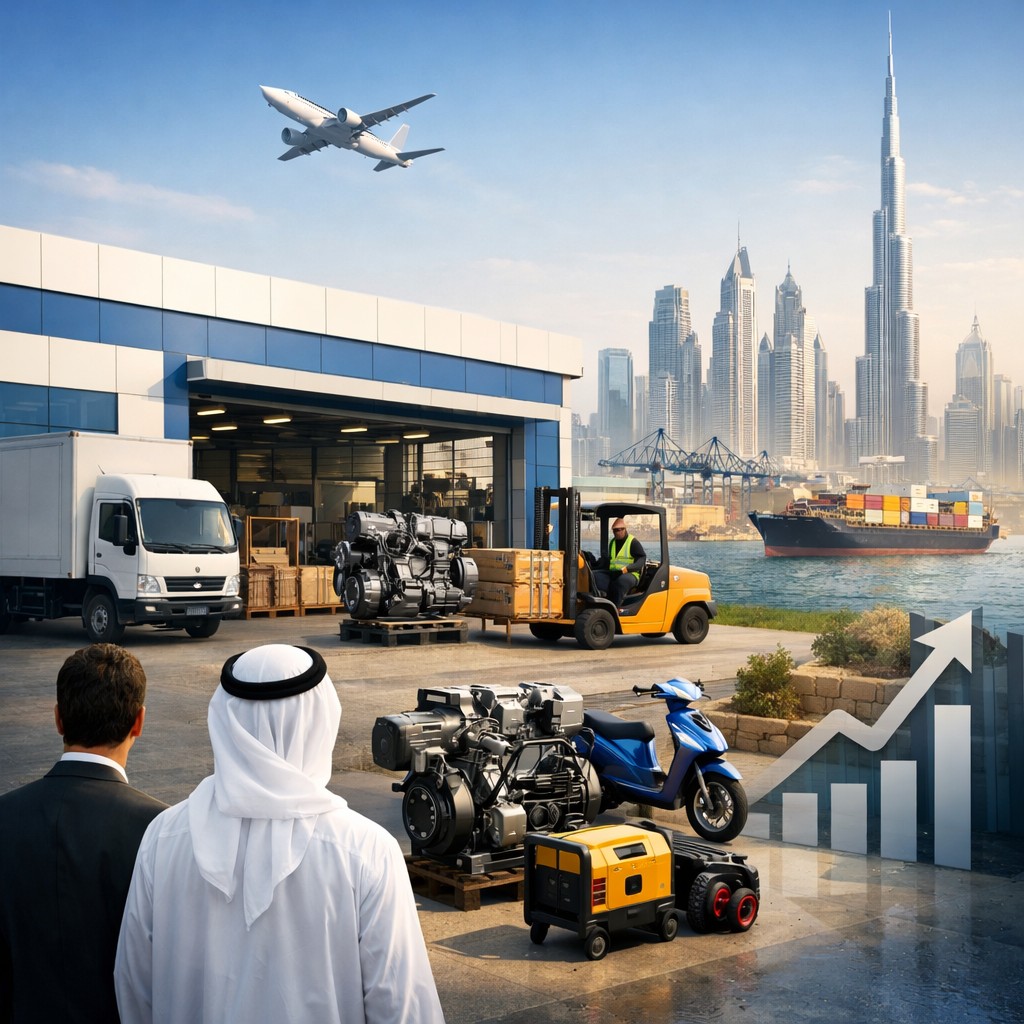
Indian industrial conglomerate Greaves Cotton has set up a new subsidiary in Dubai, marking a deliberate push to grow its footprint beyond South Asia. The move positions the company to tap Gulf markets, serve international clients more efficiently, and use the UAE as a launchpad for broader global operations.
Why Is Greaves Cotton Setting Up in Dubai?
Dubai has long attracted Indian manufacturers and industrial firms looking for a credible international address. Its regulatory environment, connectivity to Africa, Europe, and Southeast Asia, and the depth of the India-UAE trade relationship make it a logical first stop for any Indian company going global.
Greaves Cotton, known for engines, electric vehicles, and aftermarket services, appears to be following that playbook. Establishing a UAE entity allows the company to invoice international customers, manage regional partnerships, and build a brand presence outside India, all from one of the world’s most business-friendly jurisdictions.
What Does This Mean for the Gulf Region?
For the UAE and the broader Gulf, this is another data point in a larger trend. Indian companies are choosing Dubai not just as a trading post but as a genuine operational base. That brings jobs, corporate tax revenue, and technology transfer into the local economy.
Greaves Cotton’s electric vehicle and clean-energy product lines are particularly relevant. The Gulf is aggressively diversifying away from oil dependency, and affordable, reliable mobility solutions from proven manufacturers align with that agenda.
Greaves Cotton at a Glance
| Segment | Key Products |
|---|---|
| Engineering | Diesel and gas engines, gensets |
| Electric Mobility | E-rickshaws, electric two-wheelers |
| Aftermarket | Spare parts, retail network |
| Finance | Equipment financing services |
How Does Dubai Benefit Indian Industrial Firms?
The Comprehensive Economic Partnership Agreement signed between India and the UAE in 2022 slashed tariffs on hundreds of product categories. That agreement made the bilateral trade corridor significantly more attractive for manufacturers on both sides.
For Greaves Cotton, a Dubai entity means easier market access across the GCC, smoother currency management, and the credibility that comes with operating under a well-regarded regulatory framework. Many of its potential clients in infrastructure, logistics, and commercial transport already operate out of the UAE.
Is This Part of a Bigger India-UAE Business Wave?
Dozens of Indian mid-cap and large-cap companies have established Gulf presences over the past two years. The trend spans pharmaceuticals, technology, logistics, and now industrial manufacturing. Greaves Cotton joining that group signals that the movement has moved well beyond IT and services firms.
The timing matters too. Dubai’s DIFC and various free zones are actively courting Indian corporate headquarters with competitive licensing packages, and the Indian diaspora in the UAE, one of the largest in the world, provides an instant professional talent pool.
What Comes Next?
The subsidiary is a foundation, not a finish line. Analysts watching Indian industrial companies in the Gulf will look for follow-up moves: local hiring, distribution agreements with Gulf partners, or participation in regional infrastructure tenders. Any of those steps would confirm that Greaves Cotton is building something permanent rather than simply planting a flag.
For details on the company’s official announcement, see the original report via ChemAnalyst.
Disclaimer: This article is for informational purposes only and does not constitute financial or investment advice.
Do you think Dubai’s free zone model is doing enough to attract Indian manufacturers long-term, or are there gaps that could push companies toward competing hubs like Singapore or London? Share your thoughts in the comments below.

Related Posts

Stay Informed With the Latest & Most Important News
Previous Post
Next Post







Advertisement

-
 01UAE Team Emirates Stays Close in UCI Rankings Thanks to Tuckwell
 -
 02UAE E-Commerce Trends 2026: Why the Market Moves Fast
 -
 03Dubai Summer Surprises 2026: Full Arab Concert Lineup
 -
 04Sheikh Mohamed at G7: UAE Pledges Global Stability Role
 -
 05Windshield Sunshade in UAE Heat: Does It Actually Work?
 -
 06UAE Stocks Rally as Iran Ceasefire Talks Lift Gulf Markets
 -
 07Gulf Investors Blocked by European Rules, Saudi PIF Warns