















Now Reading: Dubai Public Behaviour Rules: What’s Changing and Why
-
01
Dubai Public Behaviour Rules: What’s Changing and Why
Dubai Public Behaviour Rules: What’s Changing and Why

Advertisement

Dubai is tightening public behaviour rules to protect its cosmopolitan reputation. Find out what the new guidelines cover and how they affect residents and tourists.
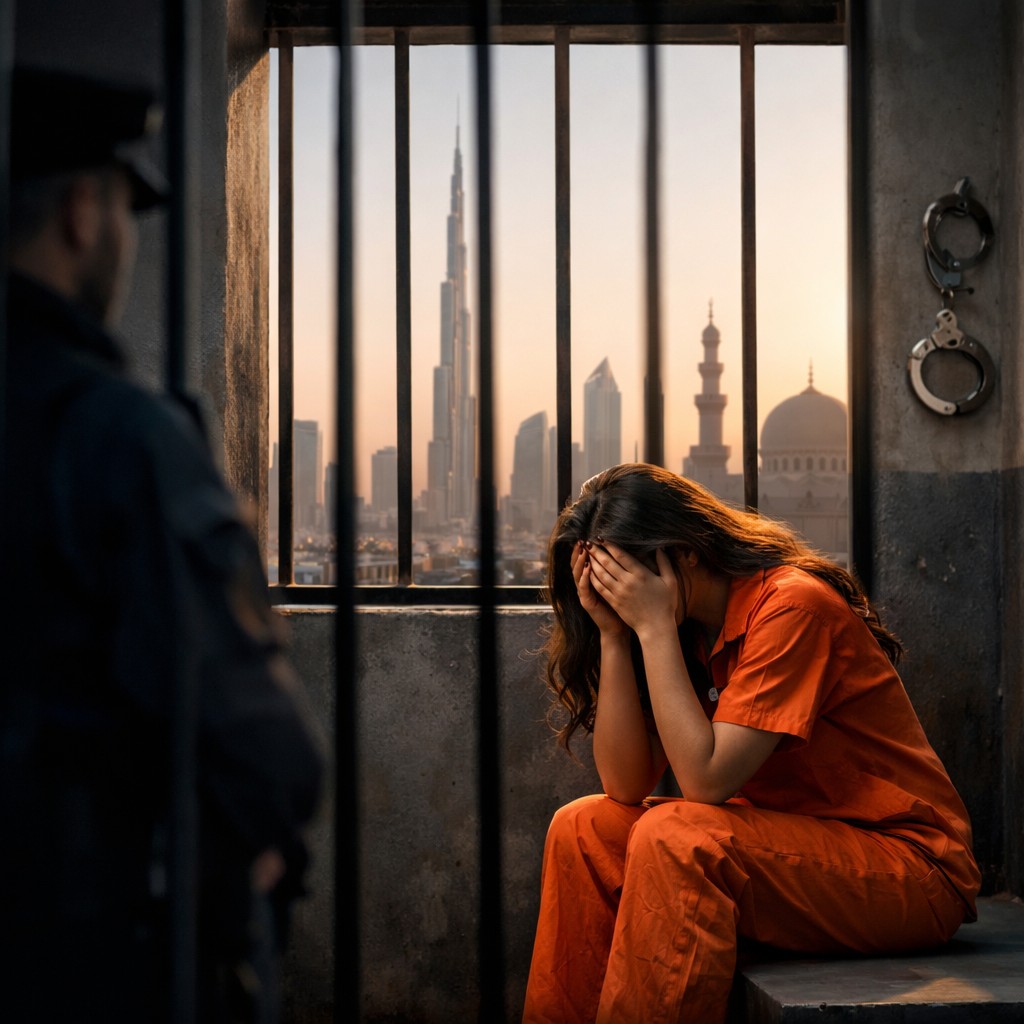
Dubai is reinforcing codes of conduct in public spaces, targeting behaviour that authorities say undermines the emirate’s image as a safe, welcoming destination. The updated guidelines cover everything from dress standards and public displays of affection to noise levels and responsible social media use, applying equally to residents and visitors.
What Are Dubai’s New Public Behaviour Rules?
The rules are not a complete overhaul but a sharper enforcement of expectations that have long existed under UAE law and cultural norms. Authorities want clearer boundaries so tourists, new expats, and long-term residents all understand where the lines are drawn.
Key areas covered include appropriate dress in malls, markets, and other shared spaces, respectful conduct toward others in queues and on public transport, and restrictions on filming or photographing people without consent. Loud or disruptive behaviour in residential areas and hospitality venues is also in focus.
Why Is Dubai Doing This Now?
Dubai welcomed record numbers of tourists in recent years, putting its public spaces under greater pressure. A surge in visitor numbers brings genuine cultural friction, with people arriving from dozens of countries, each with different social norms. The guidelines are partly a response to complaints from residents and a proactive effort to head off incidents before they escalate.
There is also a commercial logic. Dubai competes globally for talent, investment, and high-spending visitors. Incidents involving inappropriate public conduct, especially when filmed and circulated on social media, can damage that brand quickly. Clearer rules give authorities a consistent framework to act on.
What Behaviour Is Under the Spotlight?
Based on reporting from the original report, the conduct areas receiving the most attention include:
- Public displays of affection beyond what is considered culturally modest
- Inappropriate or revealing clothing in non-beach, non-resort public areas
- Disruptive noise in residential neighbourhoods, especially late at night
- Filming strangers or posting their images online without permission
- Jumping queues or behaving aggressively in shared public spaces
- Using offensive language, including in online exchanges tied to Dubai-based disputes
How Does This Compare to Other Gulf Cities?
Dubai sits in a unique position. It is more permissive than some Gulf neighbours while still rooted in Islamic cultural values. The table below gives a broad sense of how major Gulf cities approach public conduct standards.
| City | Dress Code in Public | Alcohol Permitted | Mixed Social Spaces |
|---|---|---|---|
| Dubai | Modest, enforced in shared spaces | Yes, licensed venues | Yes, widely |
| Abu Dhabi | Modest, similar to Dubai | Yes, licensed venues | Yes |
| Riyadh | Conservative, evolving post-2017 | No | Increasing |
| Doha | Modest, enforced | Yes, restricted venues | Yes, selective |
Why It Matters for the Gulf
Dubai is a blueprint many Gulf cities study closely. When it formalises or tightens social conduct standards, the ripple effect reaches Abu Dhabi, Doha, and Riyadh policymakers who are navigating the same tension between openness and cultural preservation. How Dubai enforces these rules, whether through fines, warnings, or social campaigns, will shape the playbook for the wider region.
For the millions of expats who call Dubai home, the practical takeaway is straightforward. The rules are not designed to make daily life harder. They are meant to create a shared baseline that keeps public spaces comfortable for everyone, whether you have lived here for twenty years or landed last week.
What Should Residents and Tourists Do?
Awareness is the first step. Tourists should research conduct expectations before arrival, not after an incident. Residents, particularly newer arrivals, should treat these guidelines as part of the social contract of living in the UAE, not as arbitrary restrictions.
When in doubt, the rule of thumb is simple. If you would hesitate to do something in front of a local Emirati family, reconsider doing it in a public space.
Do you think clearer public behaviour rules will improve daily life in Dubai, or do they risk making the city feel less welcoming to outsiders? Share your view in the comments.

Related Posts


Stay Informed With the Latest & Most Important News
Previous Post
Next Post





Advertisement

-
 01UAE Team Emirates Stays Close in UCI Rankings Thanks to Tuckwell
 -
 02UAE E-Commerce Trends 2026: Why the Market Moves Fast
 -
 03Dubai Summer Surprises 2026: Full Arab Concert Lineup
 -
 04Sheikh Mohamed at G7: UAE Pledges Global Stability Role
 -
 05Windshield Sunshade in UAE Heat: Does It Actually Work?
 -
 06UAE Stocks Rally as Iran Ceasefire Talks Lift Gulf Markets
 -
 07Gulf Investors Blocked by European Rules, Saudi PIF Warns