

















Now Reading: Benazir Extradition: Bangladesh Sends Papers to Dubai
-
01
Benazir Extradition: Bangladesh Sends Papers to Dubai
Benazir Extradition: Bangladesh Sends Papers to Dubai
Advertisement

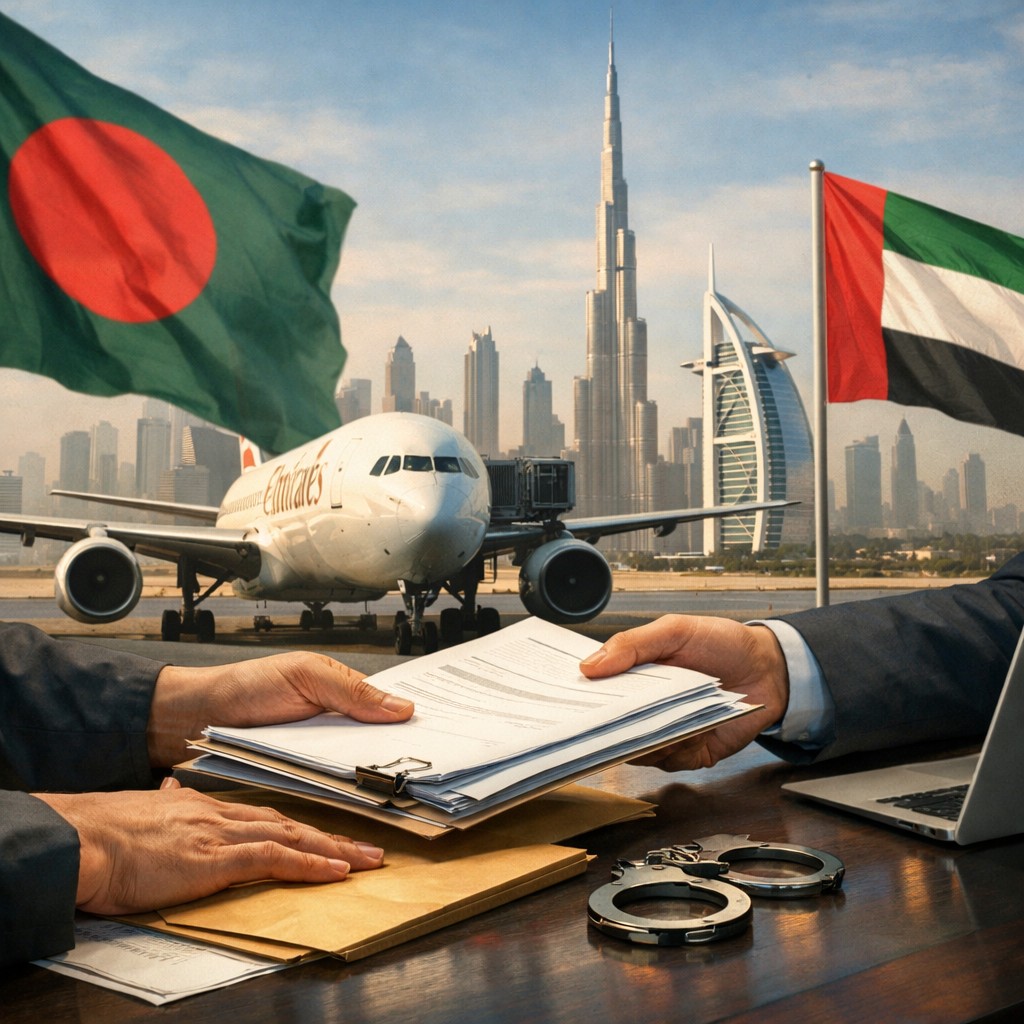
Bangladesh sent extradition papers to Dubai for Benazir Ahmed within three days, says home minister. Here's what the Gulf connection means and what happens next.
Bangladesh has formally dispatched extradition documents to Dubai within three days of initiating the process, according to the country’s home minister. The papers target Benazir Ahmed, a former police chief now believed to be sheltering in the UAE, making this one of the more high-profile extradition bids linked to the Gulf in recent memory.
What Did Bangladesh’s Home Minister Say About the Dubai Extradition Papers?
The home minister confirmed that authorities moved quickly, sending the necessary legal paperwork to Dubai in just three days. The speed signals how seriously Dhaka is treating the case. Benazir Ahmed, once one of Bangladesh’s most powerful security officials, has been accused of serious crimes at home and is reportedly residing somewhere in the UAE.
Officials have not specified which emirate he is currently in, though Dubai has been named in connection with the extradition request.
Who Is Benazir Ahmed and Why Is Bangladesh Pursuing Him?
Benazir Ahmed served as Inspector General of Police in Bangladesh and previously headed the Rapid Action Battalion, an elite security force. After the political upheaval that followed Sheikh Hasina’s ouster in August 2024, he became a target of investigations into alleged abuses of power, corruption, and human rights violations during his tenure.
He left Bangladesh before a formal case could result in arrest, and reports have since placed him abroad, with the UAE frequently mentioned. His departure drew public anger in Bangladesh, where accountability for former officials became a central political demand.
Why It Matters for the Gulf
The UAE has built a reputation as a regional hub for business and residency, attracting high-net-worth individuals from across South Asia and beyond. That also means it occasionally finds itself at the centre of international legal disputes when wanted persons from other countries are believed to be living there.
Bangladesh and the UAE maintain diplomatic and economic ties, with a large Bangladeshi expatriate workforce in the Emirates, estimated at over one million. How Dubai responds to this extradition request will be watched closely, both in Dhaka and by other governments that have outstanding legal matters involving individuals thought to be in the Gulf.
The UAE does have extradition treaties and mutual legal assistance arrangements with several countries, though the process can be lengthy and depends on bilateral agreements and local judicial review.
How Do Gulf Extradition Cases Typically Unfold?
Extradition from the UAE is not automatic. Once a requesting country submits documents, UAE authorities review whether a formal treaty exists, whether the charges meet the legal threshold under local law, and whether due process standards are satisfied.
| Stage | What Happens |
|---|---|
| Document Submission | Requesting country sends legal papers to UAE authorities |
| Treaty Check | UAE verifies whether a bilateral extradition agreement exists |
| Judicial Review | Local courts assess the charges and evidence provided |
| Decision | UAE approves, rejects, or seeks additional documentation |
| Transfer | If approved, individual is handed to requesting country’s officials |
What Happens Next?
Bangladesh will now wait for a response from UAE authorities. Diplomatic channels between Dhaka and Abu Dhabi will likely be active behind the scenes. If the UAE acknowledges and acts on the documents, it could result in Benazir Ahmed’s detention pending transfer. If complications arise, Dhaka may need to submit additional evidence or pursue the matter through international law enforcement bodies such as Interpol.
The case is being monitored by human rights groups and opposition figures in Bangladesh who have long called for accountability among former security establishment members.
For more detail on the home minister’s statement, read the original report on bdnews24.com.
Disclaimer: This article covers an active political and legal matter. Details may change as official proceedings develop. Readers should refer to verified official sources for legal guidance.
Do you think Gulf countries face growing pressure to act on extradition requests from South Asian nations, and how should they balance legal obligations with diplomatic ties? Share your thoughts in the comments below.

Related Posts


Stay Informed With the Latest & Most Important News
Previous Post
Next Post








Advertisement

-
 01UAE Team Emirates Stays Close in UCI Rankings Thanks to Tuckwell
 -
 02UAE E-Commerce Trends 2026: Why the Market Moves Fast
 -
 03Dubai Summer Surprises 2026: Full Arab Concert Lineup
 -
 04Sheikh Mohamed at G7: UAE Pledges Global Stability Role
 -
 05Windshield Sunshade in UAE Heat: Does It Actually Work?
 -
 06UAE Stocks Rally as Iran Ceasefire Talks Lift Gulf Markets
 -
 07Gulf Investors Blocked by European Rules, Saudi PIF Warns