
















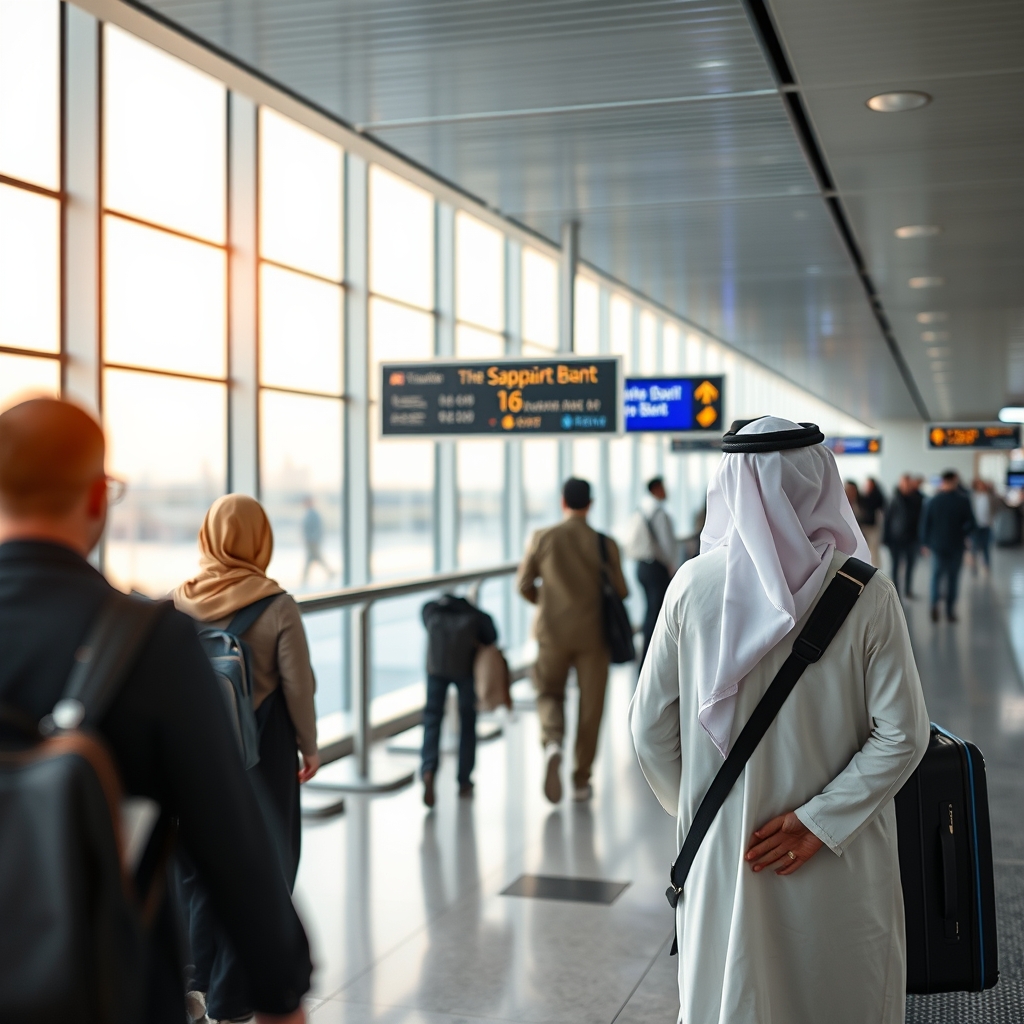


Now Reading: Air Canada Dubai Flight Cancellations Now Stretch Into 2027
-
01
Air Canada Dubai Flight Cancellations Now Stretch Into 2027
Air Canada Dubai Flight Cancellations Now Stretch Into 2027

Advertisement

Air Canada Dubai flight cancellations have been extended into 2027. Here's what it means for UAE travellers and the Gulf aviation market.
Air Canada has pushed its suspension of flights to both Dubai and Tel Aviv further into 2027, leaving travellers on two of its most internationally watched routes without a confirmed return date. The move reflects the airline’s continued caution over regional security conditions and signals more uncertainty for passengers planning trips between Canada and the Gulf.
What Has Air Canada Announced?
The Canadian flag carrier has extended the cancellation of its Dubai route alongside its Tel Aviv service, with no firm restart date made public. The airline originally grounded both routes amid heightened tensions across the Middle East region, and it has now pushed that timeline well beyond its earlier projections.
For passengers who had booked travel to or from Dubai International Airport on Air Canada, the extension means rebooking or seeking alternative carriers. The airline has not disclosed the exact cut-off date within 2027, adding to the frustration for travellers trying to plan ahead.
Why It Matters for the Gulf
Dubai positions itself as one of the world’s busiest international aviation hubs, and Air Canada’s extended absence removes a direct connection for Canadian tourists, business travellers, and the large South Asian diaspora that uses Toronto as a connecting gateway between North America and the UAE.
The suspension also comes at a time when Dubai Airports and Emirates have been reporting record passenger numbers, making Air Canada’s gap more visible in the market. Competing carriers on the Canada-Gulf corridor, including Emirates’ own Toronto service, stand to absorb displaced demand.
How Does This Compare to Other Routes?
| Route | Status | Extended Until |
|---|---|---|
| Air Canada Toronto, Dubai | Suspended | Into 2027 |
| Air Canada Toronto, Tel Aviv | Suspended | Into 2027 |
What Are the Options for UAE-Canada Travellers?
Passengers are not short of alternatives, but they will pay for the privilege of fewer stops. Emirates operates daily flights between Dubai and Toronto, while Etihad connects Abu Dhabi to Toronto. Qatar Airways offers connections via Doha. None of these are like-for-like replacements in terms of pricing, and the loss of Air Canada’s competition on the route can put upward pressure on fares.
Travel agents in the UAE have already been advising clients to book alternative carriers well in advance, particularly for summer and year-end holiday periods when demand on the Gulf-North America corridor peaks.
When Might Air Canada Return to Dubai?
The airline has not given a specific resumption date. Analysts watching the carrier say any restart will depend heavily on whether the broader security picture across the Middle East stabilises. Air Canada, like several Western carriers, suspended or rerouted services following the escalation of conflict in the region, and its risk assessment appears to be that conditions do not yet warrant a return.
For Dubai’s aviation sector, the absence of Air Canada is unlikely to dent overall numbers in any meaningful way given the sheer volume of carriers operating out of the emirate. The impact is felt more sharply by travellers who preferred Air Canada’s pricing or its network connections within Canada and North America.
What This Means for the Wider Middle East Aviation Picture
The dual suspension of Dubai and Tel Aviv routes from a single carrier illustrates how the regional security environment continues to shape airline network decisions well into the medium term. Gulf carriers, with their home hubs at the centre of international connectivity, are in a stronger position to weather such disruptions than foreign airlines reassessing their exposure.
For more detail on the airline’s announcement, see the original report.
Disclaimer: This article covers an evolving aviation and regional political situation. Travellers should verify current route availability directly with Air Canada or their travel agent before making bookings.
If you have travel plans between the UAE and Canada in 2026 or 2027, has this extension changed how you are booking, and which carrier are you turning to instead? Share your thoughts in the comments below.

Related Posts


Stay Informed With the Latest & Most Important News
Previous Post
Next Post







Advertisement

-
 01UAE Team Emirates Stays Close in UCI Rankings Thanks to Tuckwell
 -
 02UAE E-Commerce Trends 2026: Why the Market Moves Fast
 -
 03Dubai Summer Surprises 2026: Full Arab Concert Lineup
 -
 04Sheikh Mohamed at G7: UAE Pledges Global Stability Role
 -
 05Windshield Sunshade in UAE Heat: Does It Actually Work?
 -
 06UAE Stocks Rally as Iran Ceasefire Talks Lift Gulf Markets
 -
 07Gulf Investors Blocked by European Rules, Saudi PIF Warns