
















Now Reading: Abu Dhabi Royals Robbed of £600,000 in London Jewellery Heist
-
01
Abu Dhabi Royals Robbed of £600,000 in London Jewellery Heist
Abu Dhabi Royals Robbed of £600,000 in London Jewellery Heist
Advertisement

Abu Dhabi royals were robbed of £600,000 in jewellery after arriving in London. Here's what happened and why it matters for Gulf travellers.
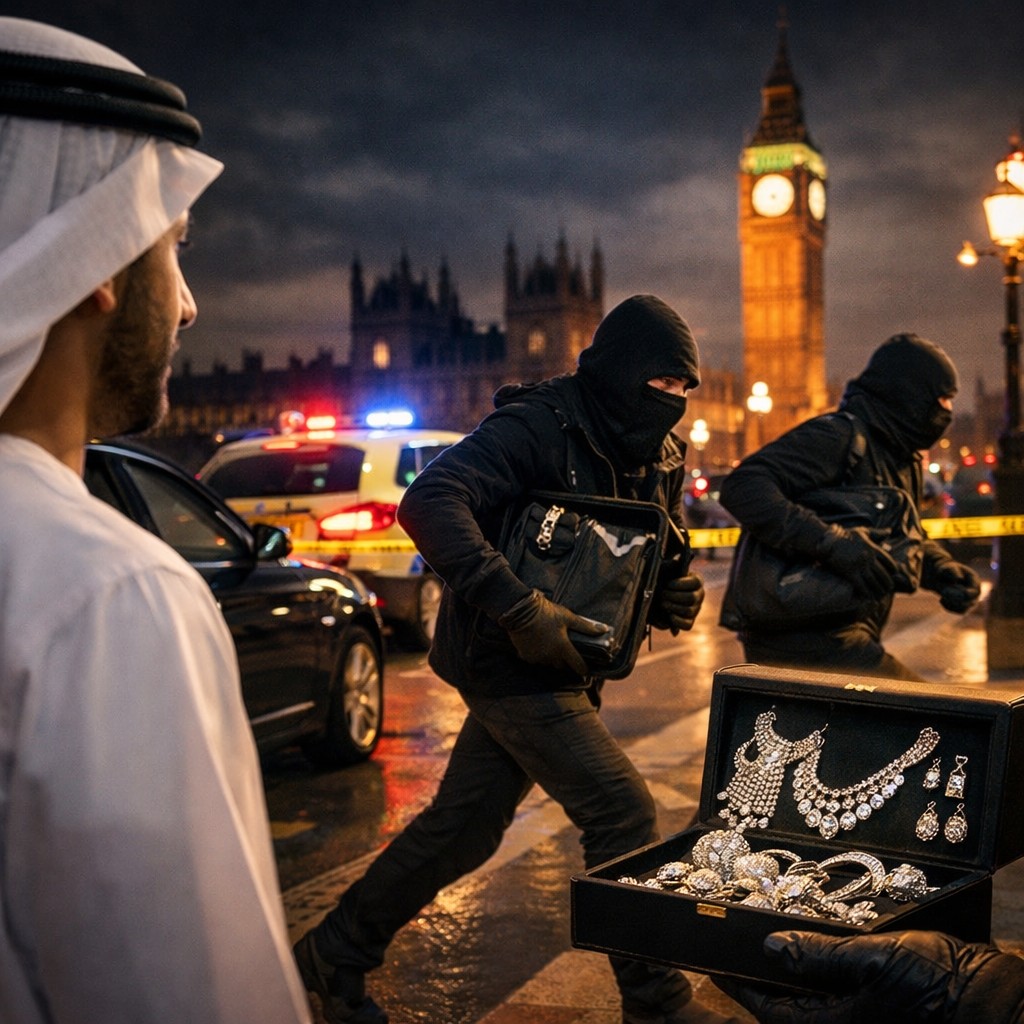
Members of Abu Dhabi’s royal family were targeted by thieves in London, losing jewellery worth approximately £600,000 shortly after their arrival in the British capital. The high-profile theft has raised serious questions about the security arrangements surrounding visiting Gulf dignitaries and the broader risks faced by wealthy travellers in major European cities.
What Happened to the Abu Dhabi Royals in London?
The robbery took place after members of the Abu Dhabi royal entourage arrived in London, according to the original report. The stolen items, valued at around £600,000, consisted of jewellery, making this one of the more notable thefts involving Gulf royalty on foreign soil in recent memory.
Details on the exact method used by the thieves have not been fully disclosed, but the incident occurred in proximity to the group’s arrival, suggesting the perpetrators may have been monitoring the party’s movements.
How Common Are High-Value Thefts Targeting Gulf Visitors in Europe?
Gulf nationals, particularly those from the UAE and Saudi Arabia, are frequent targets for opportunistic criminals in European cities. London, Paris, and Monaco have all seen organised theft rings specifically tracking high-net-worth visitors from the Middle East, drawn by the visibility of luxury goods, jewellery, and watches.
Criminal networks in major European cities have become increasingly sophisticated, often using spotters in airports, hotels, and luxury shopping districts to identify and trail targets before striking.
Why It Matters for the Gulf
For UAE and wider Gulf residents, this incident is a sharp reminder that wealth and status offer no automatic protection abroad. Thousands of Emiratis and Gulf nationals travel to London every summer, making it one of the most popular destinations for the region during the hot months.
The theft involving a royal family member amplifies the concern. If those travelling with security details and established protocols can be targeted, ordinary Gulf travellers carrying luxury goods, high-end watches, or significant amounts of jewellery face very real exposure.
Key Risks Gulf Travellers Should Know About in London
- Airport and hotel surveillance: Thieves often identify targets at arrival terminals or five-star hotel lobbies.
- Distraction theft: A common tactic used in busy shopping areas like Knightsbridge and Mayfair, popular with Gulf visitors.
- Vehicle break-ins: Luxury cars parked near hotels or restaurants are frequently targeted.
- Social media exposure: Posting locations and jewellery in real time can inadvertently flag your whereabouts to criminals.
What Should Gulf Travellers Do to Stay Safe Abroad?
Security experts consistently advise high-net-worth travellers to vary their routines, avoid predictable arrival and departure patterns, and store valuable jewellery in hotel safes rather than carrying it casually. Travelling with private security, even for shorter trips, is increasingly common among wealthy Gulf families visiting Europe.
It is also worth ensuring that any high-value jewellery or goods are covered under a comprehensive travel insurance policy that specifically lists individual items. Standard travel policies often cap payouts well below the value of luxury pieces.
London’s Response to Luxury Theft Targeting Visitors
The Metropolitan Police has previously acknowledged the challenge of tackling organised theft networks that target affluent tourists. Dedicated units have been set up to address this, but arrests and recovered goods remain difficult to secure when criminal groups operate across borders and move quickly after a theft.
The UAE Embassy in London has not issued a public statement on the incident at the time of writing. It remains unclear whether UK police have made any arrests in connection with this specific case.
This story is developing. Readers should note that details may be updated as UK law enforcement releases further information.
Have you or someone you know experienced theft while travelling in Europe? Share your experience or travel safety tips in the comments below.

Related Posts


Stay Informed With the Latest & Most Important News
Previous Post
Next Post







Advertisement

-
 01UAE Team Emirates Stays Close in UCI Rankings Thanks to Tuckwell
 -
 02UAE E-Commerce Trends 2026: Why the Market Moves Fast
 -
 03Dubai Summer Surprises 2026: Full Arab Concert Lineup
 -
 04Sheikh Mohamed at G7: UAE Pledges Global Stability Role
 -
 05Windshield Sunshade in UAE Heat: Does It Actually Work?
 -
 06UAE Stocks Rally as Iran Ceasefire Talks Lift Gulf Markets
 -
 07Gulf Investors Blocked by European Rules, Saudi PIF Warns