

















Now Reading: ADNOC Keeps Crude Flowing Despite Hormuz Strait Risks
-
01
ADNOC Keeps Crude Flowing Despite Hormuz Strait Risks
ADNOC Keeps Crude Flowing Despite Hormuz Strait Risks

Advertisement

ADNOC is pushing ahead with crude oil supply to global markets despite Hormuz Strait tensions. Here's what it means for Gulf energy and your wallet.
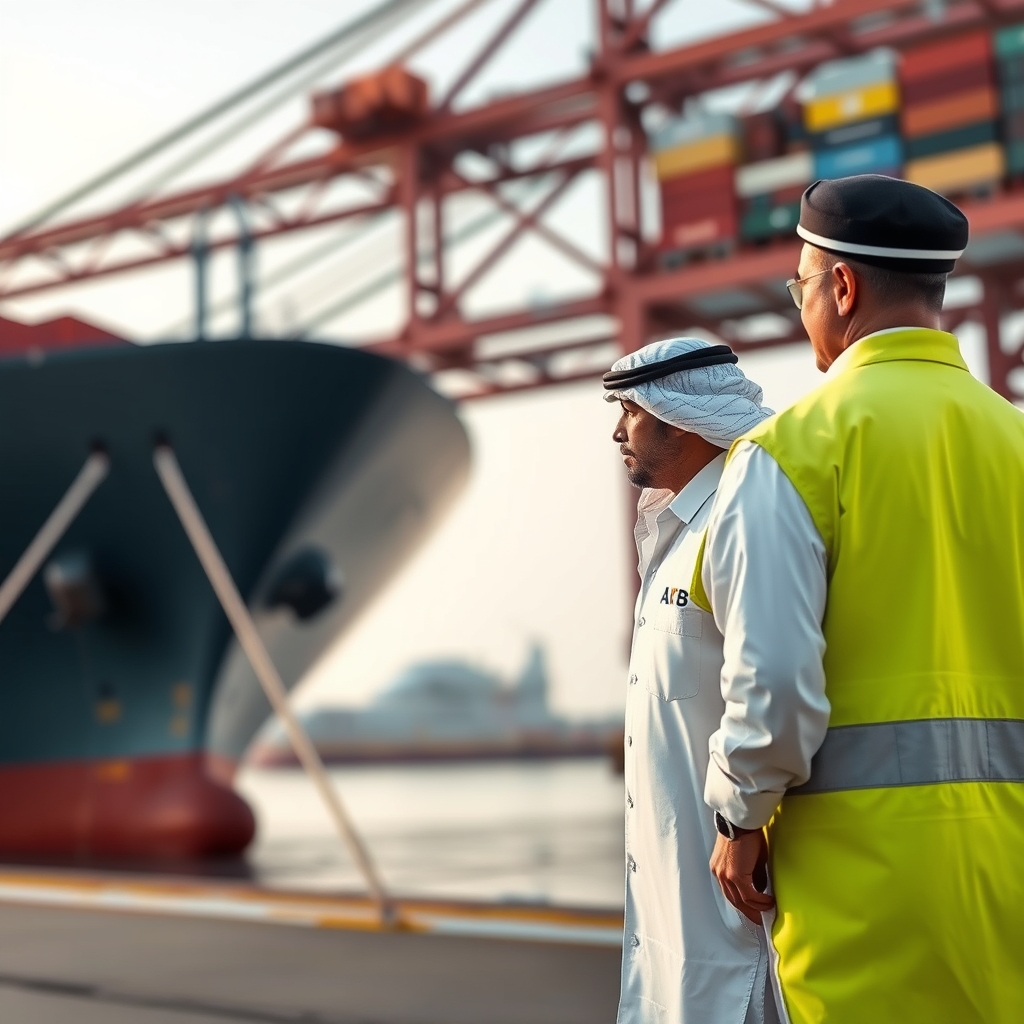
Abu Dhabi’s national energy giant ADNOC is pressing ahead with crude oil deliveries to global buyers, refusing to let escalating security concerns around the Strait of Hormuz disrupt output or shipments. The company is signalling confidence in its logistics and infrastructure even as geopolitical pressure builds in the region.
What Is ADNOC Doing to Secure Oil Deliveries?
ADNOC has made clear it will maintain its commitments to international customers regardless of tensions near the Hormuz chokepoint. The company’s strategy leans on diversified export routes and robust upstream capacity, giving it more flexibility than many of its regional peers.
The Strait of Hormuz is the world’s most critical oil transit corridor, with roughly 20 percent of global petroleum passing through it daily. Any disruption there sends shockwaves through commodity markets, so ADNOC’s public stance carries real weight for buyers in Asia, Europe and beyond.
Why Does the Hormuz Strait Keep Coming Up?
Tensions in the Gulf have periodically threatened safe passage through Hormuz, particularly amid broader Iran-related friction. Tanker incidents, military posturing and sanctions have all contributed to a persistent undercurrent of risk that makes energy traders nervous and drives up insurance premiums for shipments leaving Gulf ports.
For producers like ADNOC, the calculation is straightforward. Pulling back or hedging on deliveries would damage long-term customer relationships and hand rivals an opening. Staying the course, even when the environment is uncertain, protects market share and reinforces the UAE’s reputation as a reliable supplier.
Why It Matters for the Gulf
The UAE’s economy remains heavily tied to hydrocarbon revenues, and ADNOC sits at the centre of that. Any signal that exports could slow, even temporarily, would ripple through government budgets, megaproject timelines and the broader business climate across the Emirates.
For neighbouring Gulf states, ADNOC’s posture also sets a tone. Saudi Aramco, QatarEnergy and Kuwait Petroleum all share the same export geography. When the UAE’s flagship producer publicly commits to uninterrupted supply, it reassures markets that the wider Gulf producer bloc is not in retreat.
There is also a diplomatic dimension. Maintaining oil flow during periods of regional stress is itself a form of soft power, reinforcing Abu Dhabi’s standing with consuming nations in Asia and Europe that depend on Gulf crude to keep their own economies running.
ADNOC at a Glance: Key Energy Facts
- Strait of Hormuz transit share: roughly 20% of global daily oil supply passes through the strait
- ADNOC’s role: majority state-owned; manages UAE upstream, downstream and international energy investments
- UAE strategy: expanding production capacity while diversifying export infrastructure to reduce single-route dependency
- Global signal: continued deliveries amid tensions reinforce UAE’s position as a top-tier reliable supplier
What Happens If Hormuz Is Disrupted?
A serious blockage of the Strait of Hormuz, even a temporary one, would trigger an immediate spike in global oil prices. Emergency strategic reserves held by the International Energy Agency member states would be the first line of response, but sustained disruption would quickly strain those buffers.
ADNOC has invested in alternative infrastructure, including pipelines that bypass Hormuz entirely, which gives it an edge over producers with no bypass option. That infrastructure has long been part of Abu Dhabi’s contingency thinking, and its existence is part of why the company can afford to project calm right now.
How Are Global Oil Markets Reacting?
Markets have been watching Gulf developments closely, with crude benchmarks sensitive to any headline that hints at supply disruption. ADNOC’s public commitment to maintaining output and deliveries functions as a stabilising signal, one that traders and importing governments will take note of.
For full details on ADNOC’s position and the broader market context, see the original report from Bloomberg.
Disclaimer: This article covers energy market and geopolitical developments. It does not constitute financial or investment advice.
With Gulf tensions showing no sign of fading quickly, do you think ADNOC’s confidence in uninterrupted supply is a sustainable position, or is the region one incident away from a serious market shock? Share your thoughts in the comments below.

Related Posts



Stay Informed With the Latest & Most Important News
Previous Post
Next Post






Advertisement

-
 01UAE Team Emirates Stays Close in UCI Rankings Thanks to Tuckwell
 -
 02UAE E-Commerce Trends 2026: Why the Market Moves Fast
 -
 03Dubai Summer Surprises 2026: Full Arab Concert Lineup
 -
 04Sheikh Mohamed at G7: UAE Pledges Global Stability Role
 -
 05Windshield Sunshade in UAE Heat: Does It Actually Work?
 -
 06UAE Stocks Rally as Iran Ceasefire Talks Lift Gulf Markets
 -
 07Gulf Investors Blocked by European Rules, Saudi PIF Warns