




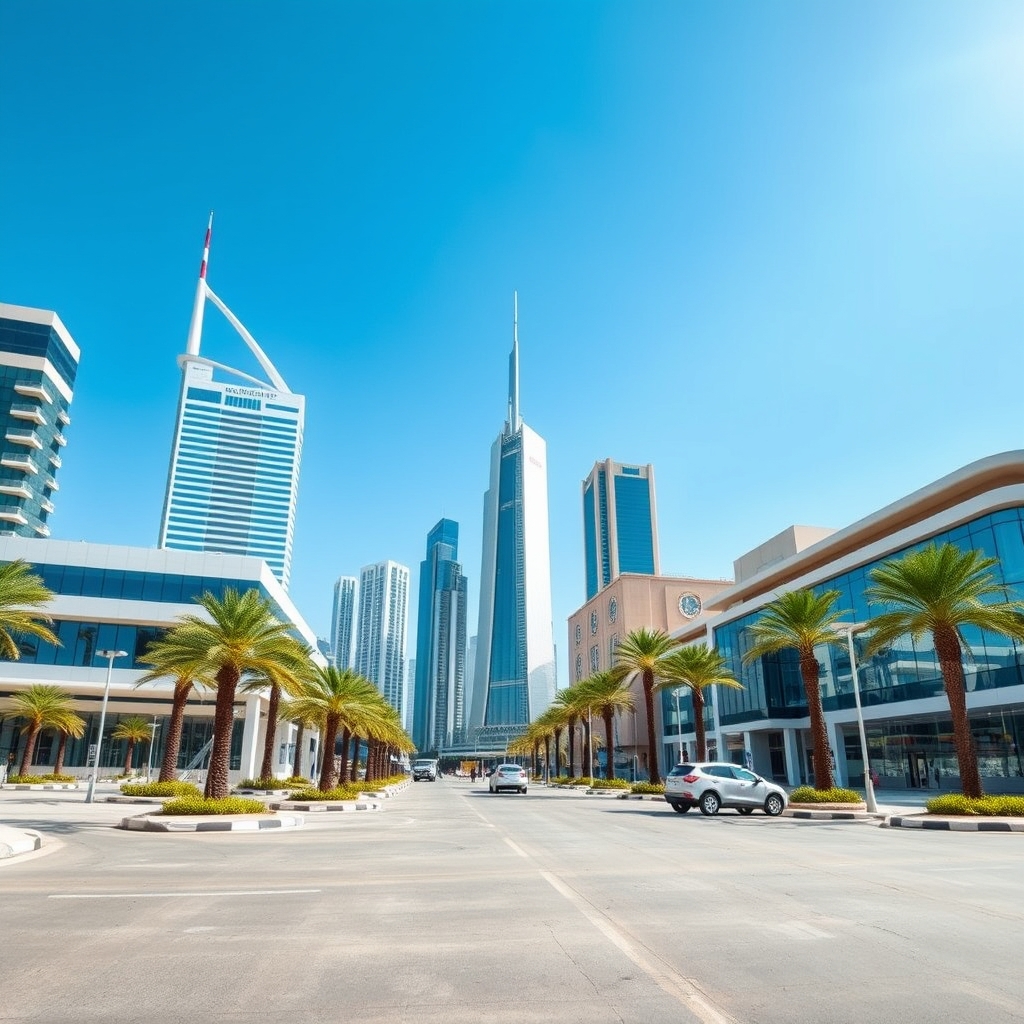












Now Reading: UAE iGaming Growth Accelerates Despite Global Instability
-
01
UAE iGaming Growth Accelerates Despite Global Instability
UAE iGaming Growth Accelerates Despite Global Instability
Advertisement

UAE iGaming growth is picking up speed even as global conflicts reshape markets. Here's what it means for the Gulf and why investors are paying attention.
The UAE’s online gaming sector is expanding at a notable pace, even as geopolitical tensions and regional conflicts rattle global markets. Analysts tracking the space say the Gulf’s digital entertainment industry is proving more resilient than many expected, drawing attention from operators and investors eyeing the region as a long-term growth corridor.
Why is iGaming growing in the UAE right now?
Several forces are converging at once. Internet penetration across the UAE remains among the highest in the world, smartphone adoption is near-universal, and a young, tech-comfortable population is driving demand for digital entertainment. That combination creates fertile ground for iGaming platforms, regardless of what is happening on the global stage.
The broader Gulf region has also seen a sustained push toward economic diversification. Entertainment, tourism, and digital services are central to that agenda, and iGaming, loosely defined to include casual gaming, esports, and skill-based competitions, fits squarely within it.
How does global conflict factor in?
Wars and instability in neighboring regions are, paradoxically, accelerating some of these trends. When physical travel and outdoor activity feel uncertain, digital leisure picks up the slack. Industry observers note that conflict-adjacent markets have historically seen spikes in online entertainment consumption as populations seek distraction and connection.
The UAE, positioned as a stable hub amid regional turbulence, is drawing platform operators looking for a reliable base. Dubai and Abu Dhabi offer infrastructure, regulatory clarity relative to other markets in the region, and a wealthier consumer base willing to spend on premium digital experiences.
Why it matters for the Gulf
The stakes extend beyond entertainment. iGaming is increasingly a technology story, pulling in investment in payment infrastructure, cybersecurity, AI-driven personalization, and data analytics. Every dirham flowing into the sector has a multiplier effect on adjacent tech industries.
Gulf sovereign wealth funds and private investors have been quietly building positions in global gaming companies. A locally maturing iGaming market strengthens that investment thesis and gives the region leverage as global gaming regulations evolve.
Key factors driving UAE iGaming momentum
- High smartphone and broadband penetration across the Emirates
- A young demographic with disposable income and appetite for digital entertainment
- Government-backed diversification strategies that legitimize entertainment investment
- Regional instability pushing consumers toward digital leisure
- Growing esports infrastructure in Dubai and Abu Dhabi
- Increased operator interest in the Gulf as a stable regulatory environment
What does the competitive landscape look like?
The UAE is not alone in chasing this opportunity. Saudi Arabia has made no secret of its gaming ambitions, committing significant capital through Savvy Games Group and positioning Riyadh as a regional esports capital. Qatar and Bahrain are also developing their digital entertainment credentials.
That competition could work in the sector’s favor overall. Multiple Gulf markets investing in gaming infrastructure raises the region’s profile globally, attracting more platforms, more talent, and more capital, which ultimately benefits the UAE as the most established hub.
UAE vs. regional peers: iGaming readiness at a glance
| Market | Key Strength | Notable Initiative |
|---|---|---|
| UAE | Infrastructure and affluent user base | Dubai Esports & Games Festival |
| Saudi Arabia | Scale and sovereign investment | Savvy Games Group |
| Qatar | Sports event legacy infrastructure | Post-World Cup entertainment push |
| Bahrain | Regulatory flexibility | Fintech and gaming crossover programs |
What comes next for operators and investors?
Regulatory frameworks will define the ceiling. The UAE has taken a measured, phased approach to entertainment liberalization, and iGaming sits in a complex space where skill-based gaming, esports, and casual mobile gaming are treated very differently under existing rules. Operators entering the market need local expertise and patience.
For investors, the timing question is real. Early movers who establish brand recognition and local partnerships before the market fully matures will hold a significant advantage. The window for that kind of positioning may not stay open indefinitely.
For a deeper look at the global context shaping these developments, read the original report from iGamingFuture.
As the Gulf’s iGaming sector finds its footing, the bigger question may be whether the UAE moves to formalize and regulate the space more comprehensively, or lets organic growth continue to outpace the rulebook. What do you think the UAE should prioritize: faster regulation or letting the market develop freely? Share your view in the comments.
Disclaimer: This article covers financial and investment-related developments. It is intended for informational purposes only and should not be taken as financial or legal advice.

Related Posts


Stay Informed With the Latest & Most Important News
Previous Post
Next Post





Advertisement

-
 01UAE Team Emirates Stays Close in UCI Rankings Thanks to Tuckwell
 -
 02UAE E-Commerce Trends 2026: Why the Market Moves Fast
 -
 03Dubai Summer Surprises 2026: Full Arab Concert Lineup
 -
 04Sheikh Mohamed at G7: UAE Pledges Global Stability Role
 -
 05Windshield Sunshade in UAE Heat: Does It Actually Work?
 -
 06UAE Stocks Rally as Iran Ceasefire Talks Lift Gulf Markets
 -
 07Gulf Investors Blocked by European Rules, Saudi PIF Warns