














Now Reading: UAE Condemns Iran’s Renewed Attacks on Gulf Neighbours
-
01
UAE Condemns Iran’s Renewed Attacks on Gulf Neighbours
UAE Condemns Iran’s Renewed Attacks on Gulf Neighbours

Advertisement

UAE condemns renewed Iranian attacks on Gulf neighbours, signalling fresh regional tensions. Here's what happened and why it matters for the Gulf. Read more.
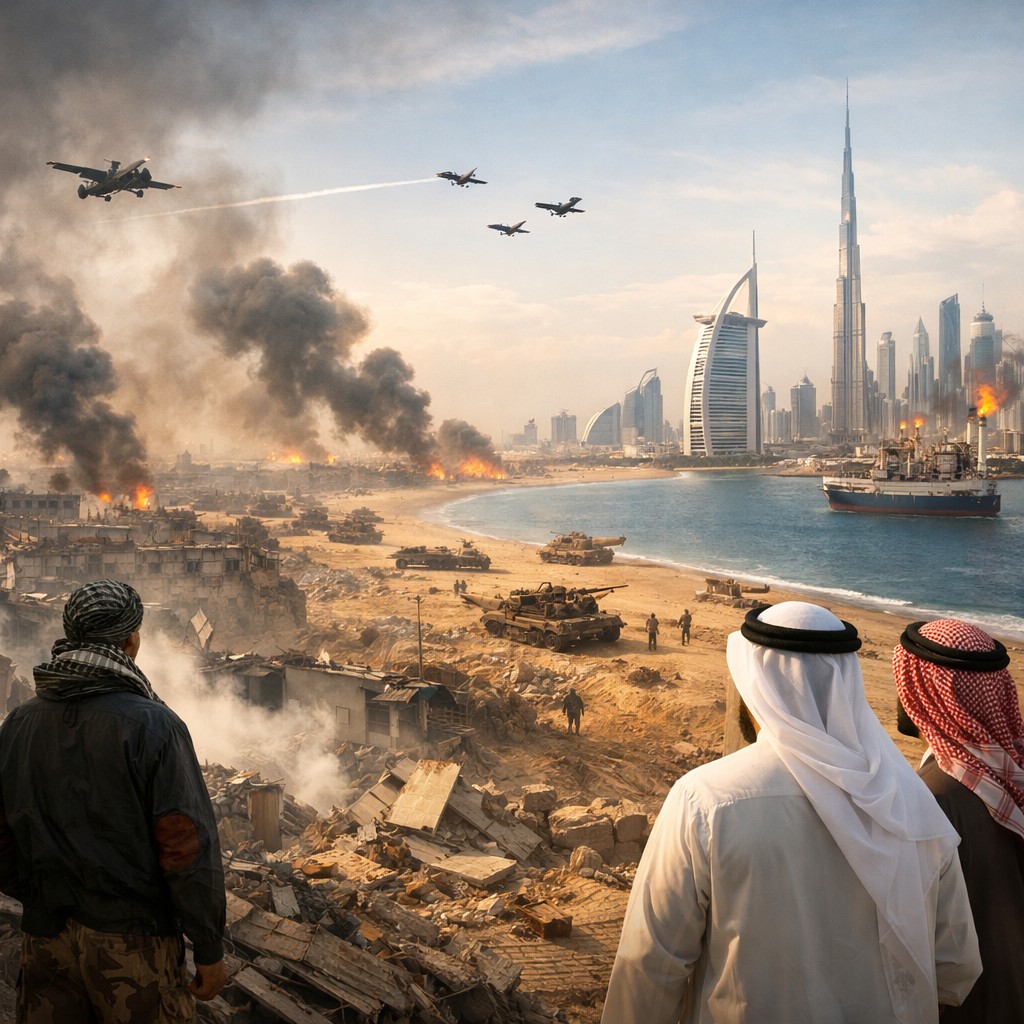
The UAE has formally condemned a fresh wave of Iranian attacks targeting Gulf neighbours, calling the aggression a threat to regional stability and a violation of international law. The statement signals Abu Dhabi’s firm stance on protecting the security architecture of the broader Gulf region at a time of heightened tensions.
What Did the UAE Say About the Iranian Attacks?
Abu Dhabi issued a strong diplomatic rebuke against Tehran, describing the attacks on Gulf neighbours as unacceptable and destabilising. The UAE urged the international community to hold Iran accountable, warning that repeated provocations undermine peace and security across the region.
Officials stressed that any military action targeting sovereign Gulf states runs counter to the principles of good neighbourliness and the norms governing relations between nations under international agreements.
Why Is Iran Targeting Gulf Neighbours Again?
The renewed attacks are part of a pattern of Iranian military assertiveness in the Gulf, often linked to broader geopolitical disputes, proxy conflicts and Tehran’s regional ambitions. Analysts have long pointed to Iran’s use of strikes, drone warfare and missile campaigns as tools of strategic pressure on rival states in the Arabian Peninsula.
The timing of this latest round of aggression adds fresh urgency to Gulf Cooperation Council (GCC) discussions on collective defence and diplomatic coordination with Western partners.
Why It Matters for the Gulf
The Gulf region is home to critical global energy infrastructure, major international shipping lanes and some of the world’s fastest-growing economies. Any sustained military escalation involving Iran threatens not just regional governments but global oil markets, trade routes and millions of expatriate workers, including a large proportion of the UAE’s own population.
For the UAE specifically, stability in the Gulf is directly tied to its position as a global business hub, tourism destination and diplomatic centre. Instability in neighbouring states can ripple quickly into investor confidence and economic planning across the Emirates.
How Does the UAE’s Position Compare to Other Gulf States?
| Country | Stance on Iranian Aggression |
|---|---|
| UAE | Formal condemnation, calls for international accountability |
| Saudi Arabia | Long-standing critic of Iranian military activity in the region |
| Kuwait | Historically cautious, favours diplomatic channels |
| Bahrain | Strong opposition to Iranian interference, backed by US presence |
| Qatar | Maintains dialogue with Tehran while supporting GCC positions |
What Happens Next?
Diplomatic pressure from Gulf states and their international allies is expected to intensify. The UAE’s condemnation is likely to form part of a coordinated GCC response, potentially including calls for emergency consultations and renewed dialogue with global powers about containing Iranian military activity.
The international community, including the United Nations and major Western governments, faces renewed pressure to respond decisively rather than allowing further escalation to go unchecked.
For the full details of the UAE’s official statement and the context surrounding the attacks, read the original report from The National News.
Do you think the UAE’s diplomatic condemnation is enough to deter further Iranian aggression, or should Gulf states pursue stronger collective action? Share your thoughts in the comments below.
Disclaimer: This article covers a developing geopolitical situation. Readers should consult multiple credible sources for a full picture of the political context and official positions involved.

Related Posts

Stay Informed With the Latest & Most Important News
Previous Post
Next Post







Advertisement

-
 01UAE Team Emirates Stays Close in UCI Rankings Thanks to Tuckwell
 -
 02UAE E-Commerce Trends 2026: Why the Market Moves Fast
 -
 03Dubai Summer Surprises 2026: Full Arab Concert Lineup
 -
 04Sheikh Mohamed at G7: UAE Pledges Global Stability Role
 -
 05Windshield Sunshade in UAE Heat: Does It Actually Work?
 -
 06UAE Stocks Rally as Iran Ceasefire Talks Lift Gulf Markets
 -
 07Gulf Investors Blocked by European Rules, Saudi PIF Warns