
















Now Reading: UAE Aid Convoys Deliver 792 Tonnes of Supplies to Gaza
-
01
UAE Aid Convoys Deliver 792 Tonnes of Supplies to Gaza
UAE Aid Convoys Deliver 792 Tonnes of Supplies to Gaza

Advertisement

Five UAE aid convoys have entered Gaza carrying 792 tonnes of supplies. Here's what the shipments include and why this Gulf effort matters right now.
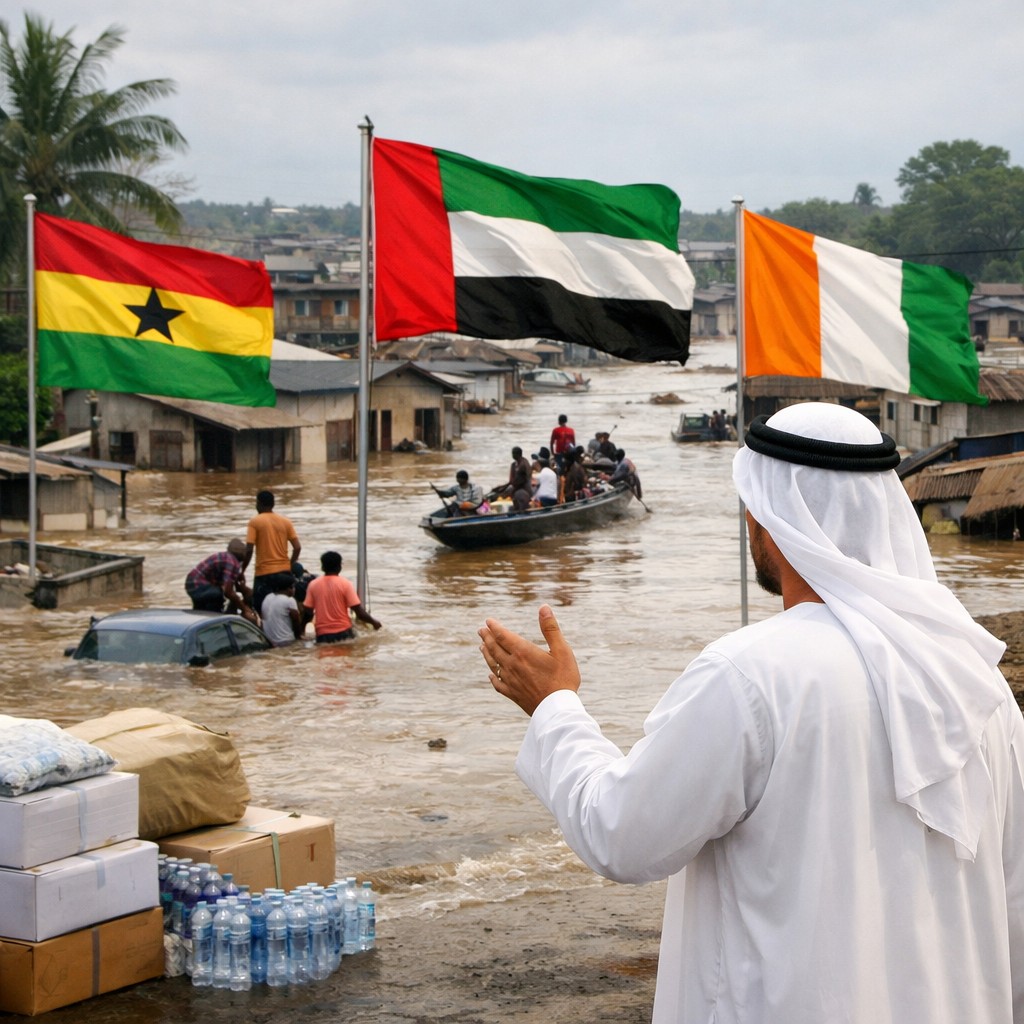
Five UAE aid convoys have crossed into Gaza carrying a combined 792 tonnes of humanitarian supplies, marking one of the country’s largest recent delivery efforts to the war-stricken territory. The shipments form part of the UAE’s sustained push to channel food, medicine, and essential goods to Palestinian civilians facing a deepening crisis.
What Did the UAE Convoys Carry Into Gaza?
The five convoys transported 792 tonnes of supplies in total, according to the original report from ARN News Centre. While a full manifest was not disclosed, UAE humanitarian operations of this kind typically include food parcels, bottled water, medical equipment, and shelter materials, all prioritised based on assessed needs on the ground.
The scale of the delivery, nearly 800 tonnes across five separate convoys, signals a coordinated logistics operation rather than a single one-off shipment.
How Does This Fit the UAE’s Broader Gaza Response?
The UAE has been one of the most active Gulf states in organising aid to Gaza since the conflict escalated. The country has used multiple channels, including air drops, sea corridors, and overland convoys, to bypass access restrictions and get supplies through.
These overland convoys are significant because ground access into Gaza has been severely limited, making each successful entry a logistical and diplomatic achievement. The UAE government and organisations such as the Emirates Red Crescent have coordinated closely with international partners to secure clearances and safe passage.
Why It Matters for the Gulf
For Gulf nations, the Gaza crisis carries political, humanitarian, and reputational weight. Public sentiment across the region runs high, and governments face domestic pressure to demonstrate solidarity with Palestinians in a tangible way.
The UAE’s consistent aid deliveries serve a dual purpose. They provide critical relief to civilians and they reinforce the country’s positioning as a responsible regional actor capable of operating in complex conflict zones. Saudi Arabia, Qatar, and Jordan have similarly ramped up aid operations, but the UAE’s convoy model, moving large volumes overland, stands out for its frequency and volume.
UAE Gaza Aid at a Glance
- Convoys entered: 5
- Total supplies delivered: 792 tonnes
- Delivery method: Overland convoys
- Key organisations involved: UAE Government, Emirates Red Crescent
- Aid types: Food, medicine, essential supplies
What Happens to Aid After It Enters Gaza?
Getting supplies through the border is only part of the challenge. Distribution inside Gaza remains dangerous and unpredictable, with damaged infrastructure, active hostilities, and limited personnel making last-mile delivery difficult. International agencies including the UN and World Food Programme work alongside local partners to allocate goods to the most vulnerable populations.
The UAE has previously coordinated with these bodies to ensure supplies reach civilians rather than being diverted or delayed at staging points.
Gulf Nations and the Gaza Aid Race
The table below provides a snapshot of how Gulf states have approached humanitarian delivery to Gaza during the current conflict.
| Country | Primary Aid Method | Lead Organisation |
|---|---|---|
| UAE | Overland convoys, airdrops | Emirates Red Crescent |
| Qatar | Financial aid, diplomatic mediation | Qatar Fund for Development |
| Saudi Arabia | Airlifts, convoy coordination | KSrelief |
| Jordan | Overland transit, airdrops | Jordan Hashemite Charity Organisation |
Disclaimer: This article covers an active geopolitical and humanitarian situation. Details on the ground may change rapidly. Readers are encouraged to consult official sources for the latest developments.
As Gaza’s humanitarian needs continue to grow, do you think Gulf nations are doing enough to pressure for permanent aid access corridors, or should the focus shift to longer-term reconstruction pledges? Share your thoughts in the comments below.

Related Posts

Stay Informed With the Latest & Most Important News
Previous Post
Next Post







Advertisement

-
 01UAE Team Emirates Stays Close in UCI Rankings Thanks to Tuckwell
 -
 02UAE E-Commerce Trends 2026: Why the Market Moves Fast
 -
 03Dubai Summer Surprises 2026: Full Arab Concert Lineup
 -
 04Sheikh Mohamed at G7: UAE Pledges Global Stability Role
 -
 05Windshield Sunshade in UAE Heat: Does It Actually Work?
 -
 06UAE Stocks Rally as Iran Ceasefire Talks Lift Gulf Markets
 -
 07Gulf Investors Blocked by European Rules, Saudi PIF Warns