

















Now Reading: Sovereign AI in UAE: Ex-INTERPOL Chief Joins Robo.ai
-
01
Sovereign AI in UAE: Ex-INTERPOL Chief Joins Robo.ai
Sovereign AI in UAE: Ex-INTERPOL Chief Joins Robo.ai
Advertisement

Former INTERPOL President Al-Raisi joins Robo.ai as Chairman of Neurovia AI to build sovereign AI infrastructure in the UAE and GCC. Here's why it matters.
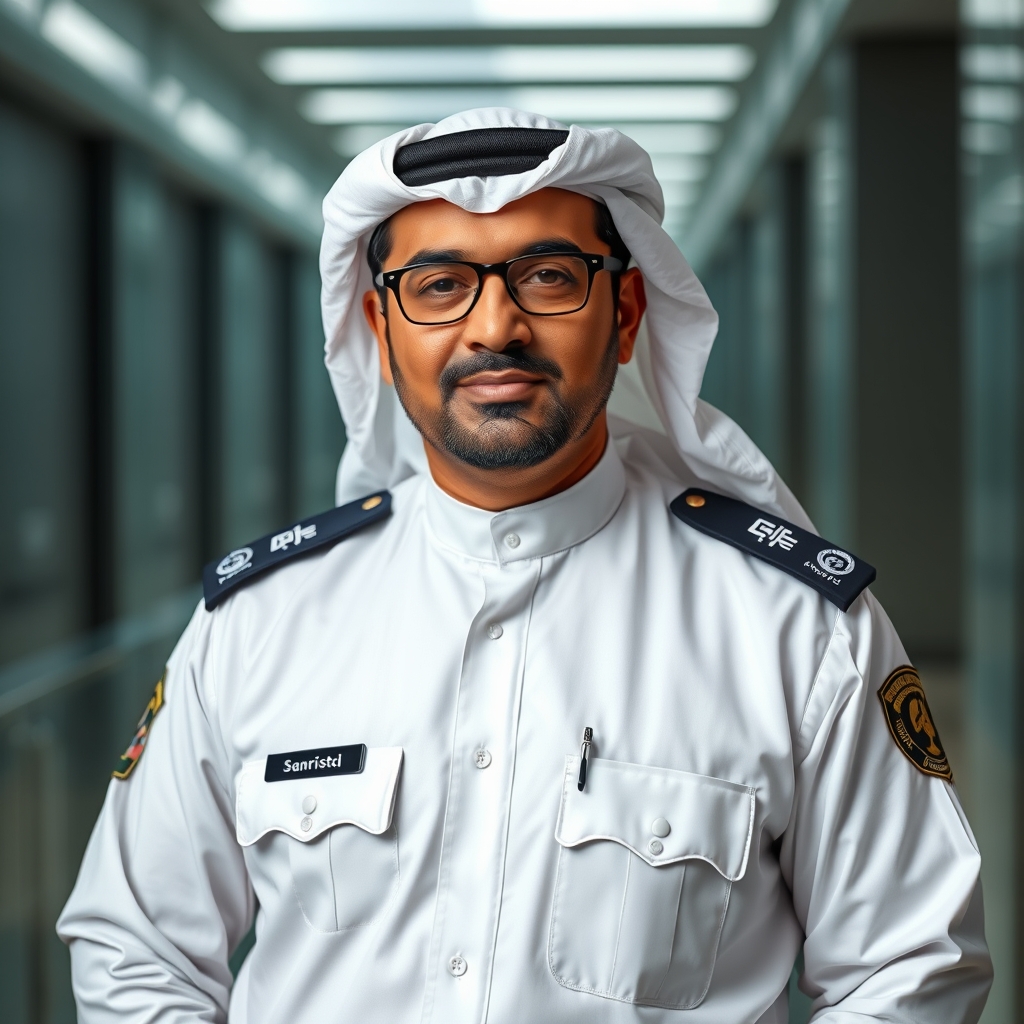
Former INTERPOL President H.E. Ahmed Naser Al-Raisi has taken the chairman’s seat at Neurovia AI, a new division of U.S.-based robotics and AI firm Robo.ai, with a mandate to develop sovereign, nationally controlled AI infrastructure across the UAE and the wider GCC region.
Who Is Ahmed Naser Al-Raisi?
Al-Raisi served as President of INTERPOL, the international law enforcement coordination body, and held senior roles within the UAE’s federal security apparatus. His appointment signals that Neurovia AI is positioning itself at the intersection of national security, governance, and emerging technology, not simply the commercial AI market.
His background in cross-border law enforcement and intelligence gives Robo.ai a credibility layer that pure tech firms rarely carry when approaching Gulf governments on sensitive infrastructure deals.
What Is Neurovia AI and What Will It Do?
Neurovia AI is structured as a dedicated division within Robo.ai focused on building AI systems that keep data, decision-making, and algorithmic control within national borders. The concept, broadly called sovereign AI, has become a priority for Gulf states that want the benefits of advanced AI without handing sensitive government and citizen data to foreign cloud providers.
The division’s stated goal is to deliver trusted AI infrastructure, meaning systems auditable by national authorities, compliant with local data regulations, and resilient against external interference. Think national AI models, secure data centers, and government-grade automation platforms built and operated inside the GCC.
Why It Matters for the Gulf
The UAE has already staked its reputation on becoming a global AI hub. Abu Dhabi’s Falcon large language models, Dubai’s AI roadmap, and the country’s role in hosting major tech investment deals all reflect a government that treats AI as a strategic asset on par with energy infrastructure.
The missing piece for many Gulf nations has been sovereign control. Relying on U.S. hyperscalers, European cloud platforms, or Chinese tech providers creates dependency risks that security-conscious governments want to eliminate. A locally chaired, locally focused AI entity backed by someone with Al-Raisi’s institutional relationships is a direct answer to that concern.
Saudi Arabia, Qatar, and Kuwait have each announced their own national AI strategies in recent years, and demand for vendors who understand Gulf governance requirements, not just Gulf revenue potential, is growing fast.
Robo.ai’s Gulf Play: Key Points at a Glance
- New entity: Neurovia AI, a division of Robo.ai
- Chairman: H.E. Ahmed Naser Al-Raisi, former INTERPOL President
- Focus: Sovereign, trusted AI infrastructure for UAE and GCC governments
- Core pitch: Nationally controlled data, locally auditable AI systems
- Target clients: Government agencies, critical national infrastructure operators
What Makes This Different From Other AI Announcements?
Gulf tech announcements are common. Leadership appointments with genuine policy weight behind them are rarer. Al-Raisi’s tenure at INTERPOL required navigating 196 member countries, coordinating sensitive data-sharing frameworks, and managing politically complex international relationships. That experience maps directly onto the challenge of building AI systems that multiple GCC governments will trust enough to use for sensitive operations.
Robo.ai is not a household name in the region, but pairing an ambitious product roadmap with a chairman who holds relationships at the highest levels of Gulf security and government is a calculated move to accelerate procurement conversations that would otherwise take years.
The Bigger Picture for UAE Tech Ambitions
The UAE’s push for AI sovereignty fits inside a broader national strategy to reduce reliance on foreign technology in critical sectors. From semiconductor agreements with the United States to homegrown large language models, the country is assembling a full-stack domestic AI capability. Neurovia AI, if it delivers on its mandate, adds the governance and security layer that ties those investments together.
For businesses and government entities across the GCC watching this space, the key question will be whether Neurovia AI can move from announcement to deployed infrastructure, and how quickly regional procurement cycles can be accelerated given the political trust Al-Raisi brings to the table.
You can read the full details in the original report from The Manila Times.
As Gulf governments race to lock in sovereign AI capabilities before the next wave of global AI competition peaks, do you think locally chaired entities like Neurovia AI can genuinely deliver the trust and control that GCC states need, or will the real infrastructure still be built on foreign technology? Share your thoughts in the comments below.

Related Posts


Stay Informed With the Latest & Most Important News
Previous Post
Next Post






Advertisement

-
 01UAE Team Emirates Stays Close in UCI Rankings Thanks to Tuckwell
 -
 02UAE E-Commerce Trends 2026: Why the Market Moves Fast
 -
 03Dubai Summer Surprises 2026: Full Arab Concert Lineup
 -
 04Sheikh Mohamed at G7: UAE Pledges Global Stability Role
 -
 05Windshield Sunshade in UAE Heat: Does It Actually Work?
 -
 06UAE Stocks Rally as Iran Ceasefire Talks Lift Gulf Markets
 -
 07Gulf Investors Blocked by European Rules, Saudi PIF Warns