

















Now Reading: Saudi Tadawul Drops: What the 0.90% Fall Means for Investors
-
01
Saudi Tadawul Drops: What the 0.90% Fall Means for Investors
Saudi Tadawul Drops: What the 0.90% Fall Means for Investors

Advertisement

Saudi Tadawul's All Shares Index fell 0.90% at close. Here's what drove the decline and why Gulf investors should pay attention. Click to read more.
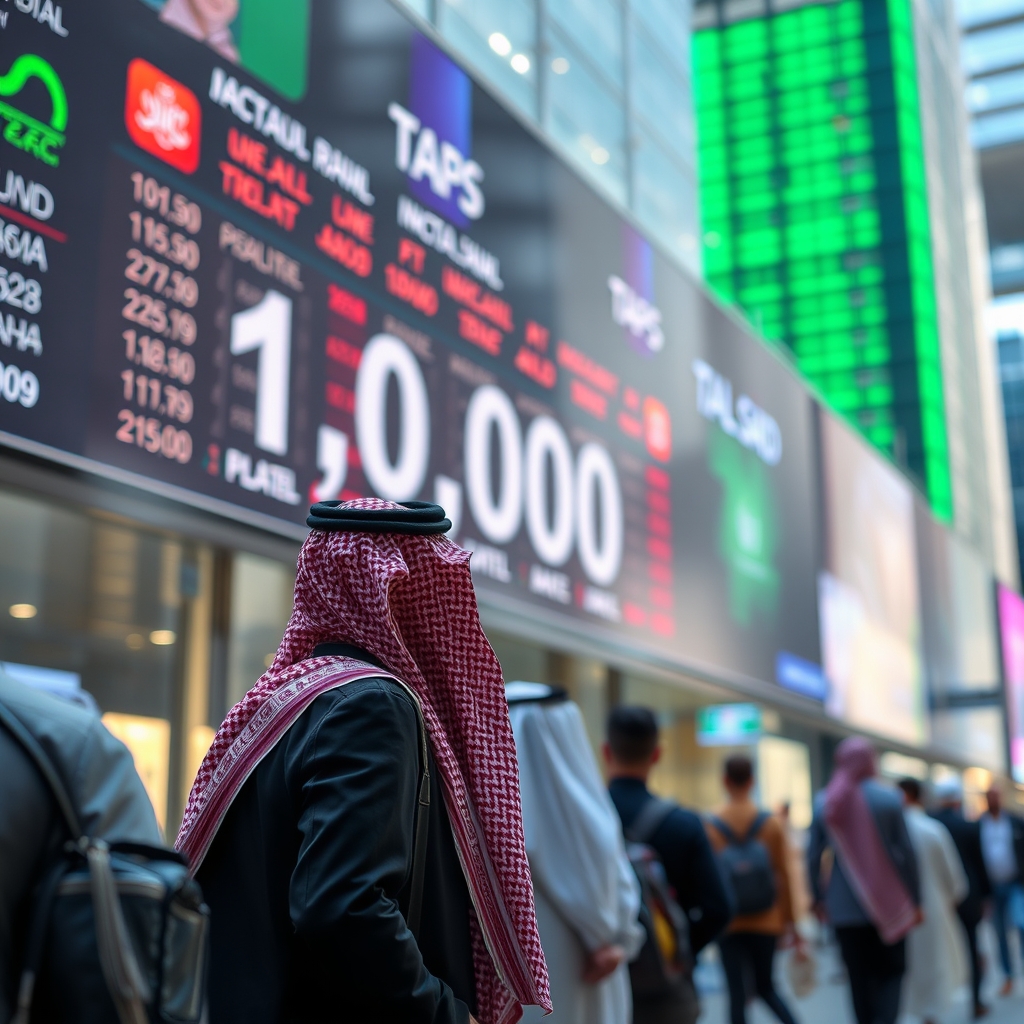
Saudi Arabia’s Tadawul All Shares Index closed lower, shedding 0.90% in a broad market retreat that touched nearly every sector on the exchange. The decline signals renewed caution among investors in the Kingdom’s equity market, which serves as a key barometer for regional economic sentiment across the Gulf.
What happened on the Tadawul today?
The All Shares Index fell 0.90% by the closing bell, with selling pressure spread across multiple sectors rather than concentrated in a single industry. That kind of broad-based weakness typically points to macro-level concerns, whether tied to global risk appetite, oil price movements, or domestic monetary conditions, rather than company-specific news.
The Tadawul is the Arab world’s largest stock exchange by market capitalisation, so any notable move on the index draws attention far beyond Riyadh’s trading floors.
Why does a Tadawul dip matter for the Gulf?
Saudi Arabia’s equity market does not move in isolation. Investors across the UAE, Kuwait, Bahrain and Qatar watch Tadawul closely because the Kingdom’s economic weight, anchored by oil revenues and Vision 2030 spending, shapes sentiment throughout the GCC. A sustained downward trend on Tadawul often precedes cautious trading sessions on the Dubai Financial Market and Abu Dhabi Securities Exchange.
For retail investors in the UAE, many of whom hold diversified Gulf portfolios, a 0.90% slide on the region’s biggest bourse is worth monitoring. It may reflect broader headwinds such as global interest rate uncertainty or shifting oil demand forecasts.
Which sectors felt the pressure?
While a full sector breakdown was not detailed in the original report, a near-1% fall across the All Shares Index suggests the selling was not confined to one corner of the market. Financials and petrochemicals, the two heaviest components of the Saudi exchange, tend to carry the most index weight and often lead moves in either direction.
Quick look: Tadawul at a glance
- Index move: All Shares Index down 0.90% at close
- Exchange: Saudi Exchange (Tadawul), Riyadh
- Regional significance: Largest Arab stock market by market cap
- Key sectors tracked: Financials, petrochemicals, real estate, telecoms
Is this part of a wider regional trend?
Gulf markets have faced a mixed environment in recent months, balancing steady oil revenues against global monetary tightening and geopolitical noise. When Wall Street or Asian markets trade under pressure overnight, GCC bourses frequently open on the back foot. The Tadawul’s latest session fits that pattern, though a single day’s movement rarely tells the full story.
Traders and fund managers will be watching the next few sessions for signs that selling pressure is easing or deepening. A recovery toward prior support levels would reassure bulls; a continued slide would invite closer scrutiny of liquidity conditions inside the Kingdom.
What should Gulf investors watch next?
Oil prices remain the single most important macro variable for Saudi equities. Any shift in OPEC+ production policy, a demand revision from the International Energy Agency, or a surprise in US crude inventory data can move the Tadawul faster than almost any domestic catalyst. Beyond oil, Vision 2030-linked mega-project stocks and banking shares tied to mortgage and corporate lending will be worth tracking for signs of stress or resilience.
UAE-based investors with cross-border exposure should also factor in the dirham-riyal peg stability and any commentary from the Saudi Central Bank (SAMA) on credit growth or reserve levels in the weeks ahead.
For a full breakdown of the session’s figures, see the original report from Business Upturn.
Are you adjusting your Gulf portfolio in response to the latest Tadawul weakness, or holding steady? Share your view in the comments below.
Disclaimer: This article is for informational purposes only and does not constitute financial or investment advice. Consult a licensed financial adviser before making investment decisions.

Related Posts
Stay Informed With the Latest & Most Important News
Previous Post
Next Post






Advertisement

-
 01UAE Team Emirates Stays Close in UCI Rankings Thanks to Tuckwell
-
 02UAE E-Commerce Trends 2026: Why the Market Moves Fast
-
 03Dubai Summer Surprises 2026: Full Arab Concert Lineup
-
 04Sheikh Mohamed at G7: UAE Pledges Global Stability Role
-
 05Windshield Sunshade in UAE Heat: Does It Actually Work?
-
 06UAE Stocks Rally as Iran Ceasefire Talks Lift Gulf Markets
-
 07Gulf Investors Blocked by European Rules, Saudi PIF Warns