









Now Reading: Expo 2020 site becomes Dubai’s next urban hub—what’s next?
-
01
Expo 2020 site becomes Dubai’s next urban hub—what’s next?
Expo 2020 site becomes Dubai’s next urban hub—what’s next?
Advertisement

Dubai’s Expo 2020 site is evolving into District 2020, a smart urban community. See the plans, timelines, and why this matters for the UAE’s future.
Expo 2020 site becomes Dubai’s next urban hub—what’s next?
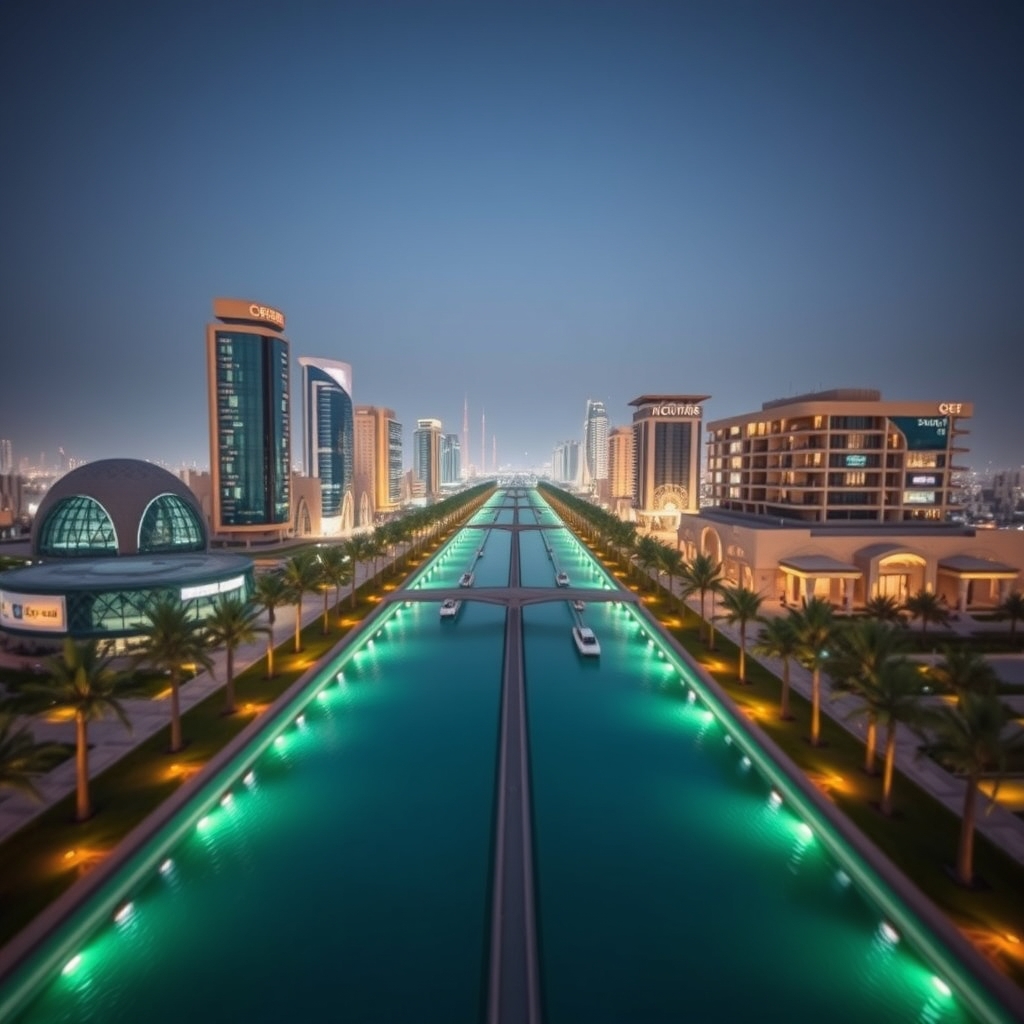
Dubai’s Expo 2020 site is transforming into District 2020, a 4.38-square-kilometre smart city designed for innovation and sustainability. The project repurposes 80% of the original Expo structures, blending offices, residences, and green spaces into a mixed-use community set to open in phases starting October 2022.
What is District 2020?
District 2020 is Dubai’s answer to post-Expo urban development. The master plan keeps key landmarks like Al Wasl Plaza and the UAE Pavilion while adding new infrastructure. The goal: a 15-minute city where residents live, work, and socialize without long commutes.
Developers are targeting tech firms, startups, and multinational corporations. Early tenants include Siemens, which moved its Middle East headquarters there in 2022. The district will also house 2,000 residential units, schools, and retail spaces.
How the Expo site is being reused
Instead of demolishing Expo 2020’s pavilions, Dubai is adapting them for new purposes. The Sustainability Pavilion, for example, will become a children’s science museum. The Mobility Pavilion will host corporate offices. This approach cuts construction waste and speeds up development.
Here’s how some key structures are being repurposed:
| Original Expo Structure | New Function in District 2020 |
|---|---|
| Sustainability Pavilion (Terra) | Children’s Science Centre |
| Mobility Pavilion (Alif) | Corporate offices |
| UAE Pavilion | Cultural and exhibition space |
| Al Wasl Plaza | Public event space |
| Expo Village | Residential apartments |
Why this matters for the Gulf
District 2020 reflects Dubai’s push to diversify its economy beyond oil and tourism. The project aligns with the UAE’s Centennial 2071 plan, which prioritizes innovation and sustainability. It also sets a precedent for other Gulf cities looking to repurpose large-scale event sites.
By 2030, District 2020 aims to house 145,000 people and create 90,000 jobs. The district’s focus on smart infrastructure—like autonomous transport and AI-driven energy systems—positions Dubai as a testbed for future urban living.
Timeline: From Expo to District 2020
October 2021: Expo 2020 Dubai closes after six months.
October 2022: District 2020’s first phase opens, welcoming early tenants.
2023: Residential units and retail spaces begin leasing.
2024: Full completion of Phase 1, including parks and public amenities.
2030: Projected completion of the entire district.
Sustainability at the core
District 2020 isn’t just reusing buildings—it’s designed to be one of the region’s greenest urban spaces. The site will feature:
- Solar panels generating 50% of its energy needs
- LEED Gold-certified buildings
- 10 km of cycling tracks and pedestrian-friendly pathways
- Smart water management systems to reduce waste
These features support Dubai’s goal to cut carbon emissions by 30% by 2030, as outlined in its Clean Energy Strategy.
What’s missing? Challenges ahead
While the project is ambitious, it faces hurdles. Dubai’s real estate market is competitive, and District 2020 must attract enough tenants to justify its $7 billion price tag. There’s also the challenge of integrating the district with the rest of Dubai’s transport network, though plans for a new metro extension are underway.
Another question: Will the district remain affordable for startups and small businesses, or will it become another high-end enclave?
Read the full details in the original report.
What do you think—will District 2020 become a model for future cities in the Gulf, or is Dubai taking on too much too soon? Share your thoughts in the comments.

Related Posts

Stay Informed With the Latest & Most Important News
Previous Post
Next Post




Advertisement

-
 01UAE Team Emirates Stays Close in UCI Rankings Thanks to Tuckwell
 -
 02UAE E-Commerce Trends 2026: Why the Market Moves Fast
 -
 03Dubai Summer Surprises 2026: Full Arab Concert Lineup
 -
 04Sheikh Mohamed at G7: UAE Pledges Global Stability Role
 -
 05Windshield Sunshade in UAE Heat: Does It Actually Work?
 -
 06UAE Stocks Rally as Iran Ceasefire Talks Lift Gulf Markets
 -
 07Gulf Investors Blocked by European Rules, Saudi PIF Warns