















Now Reading: Etihad Rail Abu Dhabi Station: What Passengers Can Expect
-
01
Etihad Rail Abu Dhabi Station: What Passengers Can Expect
Etihad Rail Abu Dhabi Station: What Passengers Can Expect

Advertisement

Etihad Rail's Abu Dhabi station promises a seamless travel experience. Here's a first look at the facilities and what UAE passengers need to know.
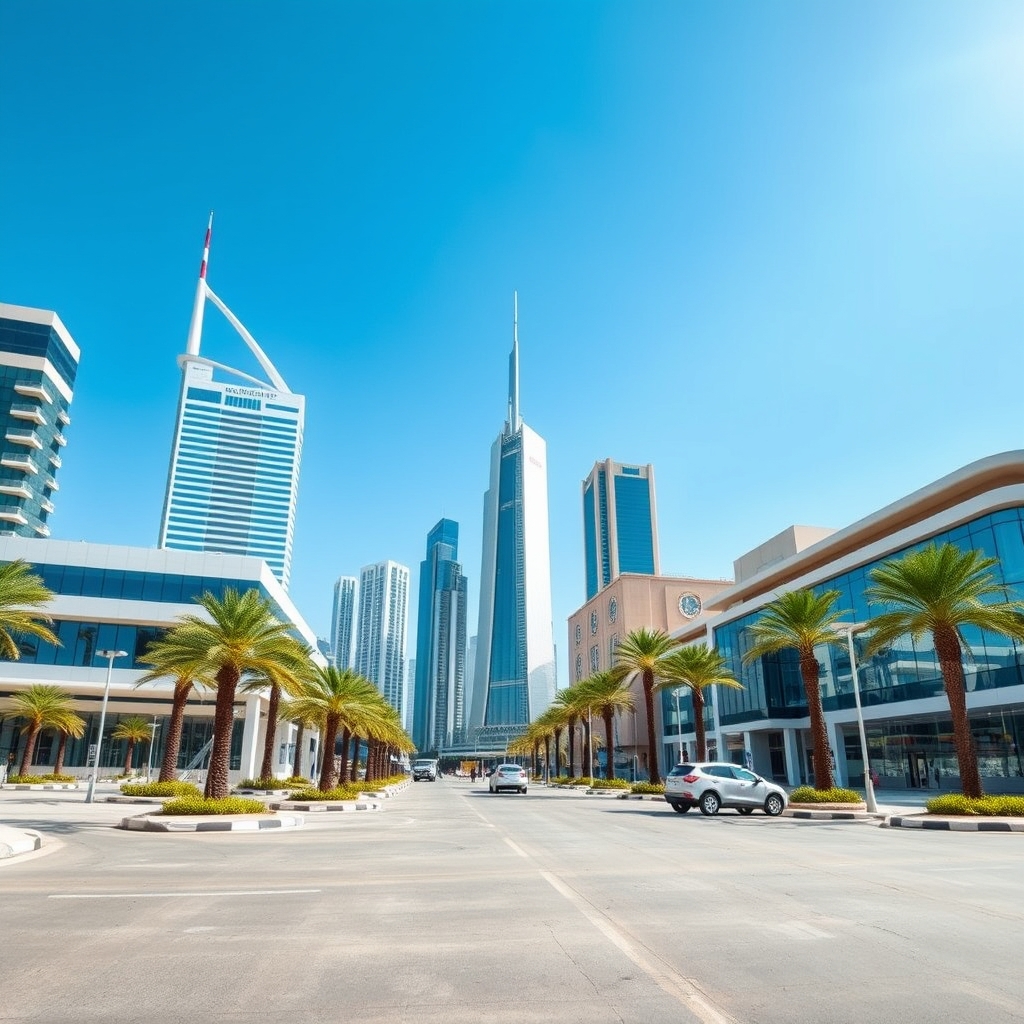
Etihad Rail’s Abu Dhabi station is shaping up to be a landmark in UAE transport history, offering travellers a modern, comfortable departure point as the country’s national railway network edges closer to opening. The station’s design and amenities signal a significant step up from anything the Emirates has offered rail passengers before.
What does the Etihad Rail Abu Dhabi station look like inside?
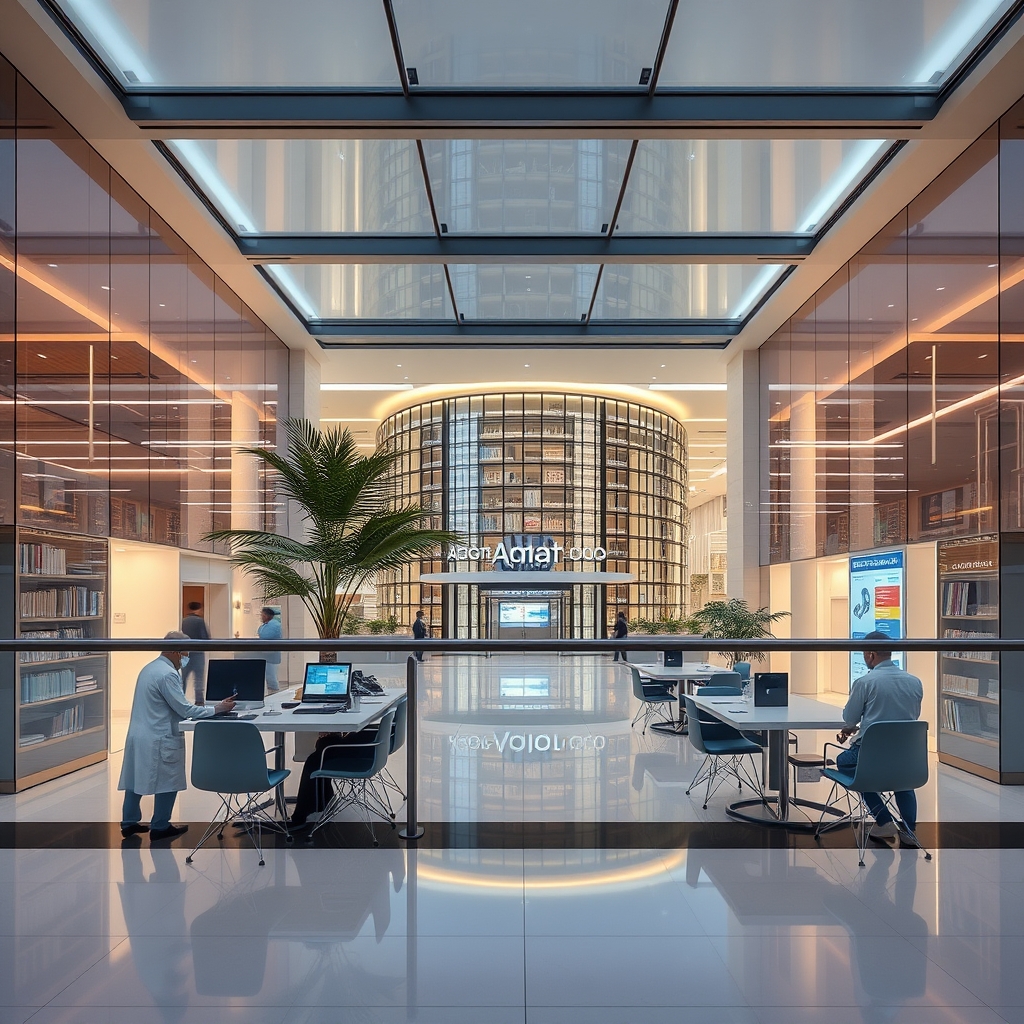
According to a first-look report by The National, the Abu Dhabi station features spacious concourses, streamlined passenger flow, and facilities built to handle large volumes of travellers efficiently. The layout prioritises smooth movement from entrance to platform, reducing the friction that often comes with busy transport hubs.
Waiting areas are designed with comfort in mind, including seating zones and retail options that reflect the standard UAE commuters and visitors expect from world-class infrastructure. The overall aesthetic is sleek and contemporary, consistent with the architectural ambition behind the broader Etihad Rail project.
How does Etihad Rail connect Abu Dhabi to the rest of the UAE?
Etihad Rail is the UAE’s national rail network, developed to link the seven emirates and eventually connect to a wider GCC rail grid. The Abu Dhabi station sits at the heart of this vision, serving as a key node for both passenger and freight services across the country.
The network is designed to reduce reliance on road travel, cutting journey times between major urban centres and offering a lower-carbon alternative to private vehicles and short-haul flights. For residents commuting between Abu Dhabi and Dubai, or travelling toward the Northern Emirates, a functioning passenger rail line represents a genuine shift in daily mobility.
Why does this matter for the Gulf region?
Rail infrastructure in the Gulf has lagged behind the region’s ambitions for decades. Most GCC residents depend almost entirely on cars, and intercity bus services remain limited. A credible, comfortable rail network in the UAE could set a template for neighbouring countries and accelerate the long-discussed GCC Railway project that aims to connect all six Gulf states.
For Abu Dhabi specifically, a functioning rail hub supports the emirate’s economic diversification goals by making it easier for businesses, tourists and workers to move across the country without adding to road congestion. It also feeds into the UAE’s broader sustainability targets, which aim to cut carbon emissions across the transport sector.
Etihad Rail Abu Dhabi station at a glance
- Location: Abu Dhabi, UAE
- Network: Part of the national Etihad Rail passenger and freight system
- Design focus: Seamless passenger flow, modern amenities, high-capacity concourses
- Wider connectivity: Links to Dubai, Fujairah and other emirates
- Regional significance: Potential anchor point for the GCC Railway network
When will passengers be able to travel on Etihad Rail?
Etihad Rail has been progressing through construction phases over several years. Freight operations are already underway on sections of the network, and the passenger service rollout has been widely anticipated across the UAE. An official launch date for full passenger operations has not been confirmed in the latest reports, but the completion of showcase stations like the Abu Dhabi hub suggests the timeline is advancing.
For UAE residents who have watched the project develop, the station reveal is a tangible sign that passenger rail travel in the Emirates is no longer a distant promise.
What to expect as a first-time Etihad Rail passenger
Based on the station’s design priorities, travellers can expect a check-in and boarding process modelled on aviation-style efficiency, without the lengthy security queues. Facilities are built for both business and leisure travellers, with enough amenity space to make the station a comfortable starting point rather than just a transit hall.
Whether you are a daily commuter or an occasional intercity traveller, the Abu Dhabi station appears designed to make rail a genuinely attractive choice over driving or flying between UAE cities.
Have you been following Etihad Rail’s progress, and would you switch from driving to taking the train for your intercity trips in the UAE? Share your thoughts in the comments below.

Related Posts
Stay Informed With the Latest & Most Important News
Previous Post
Next Post






Advertisement

-
 01UAE Team Emirates Stays Close in UCI Rankings Thanks to Tuckwell
 -
 02UAE E-Commerce Trends 2026: Why the Market Moves Fast
 -
 03Dubai Summer Surprises 2026: Full Arab Concert Lineup
 -
 04Sheikh Mohamed at G7: UAE Pledges Global Stability Role
 -
 05Windshield Sunshade in UAE Heat: Does It Actually Work?
 -
 06UAE Stocks Rally as Iran Ceasefire Talks Lift Gulf Markets
 -
 07Gulf Investors Blocked by European Rules, Saudi PIF Warns