














Now Reading: Dubai Tourism Recovery: Why Aussies Won’t Be Back in Full Force Yet
-
01
Dubai Tourism Recovery: Why Aussies Won’t Be Back in Full Force Yet
Dubai Tourism Recovery: Why Aussies Won’t Be Back in Full Force Yet

Advertisement

Dubai is welcoming Australian visitors back, but a full tourism recovery could still be 12 months away. Here's what that means for the Gulf travel sector.
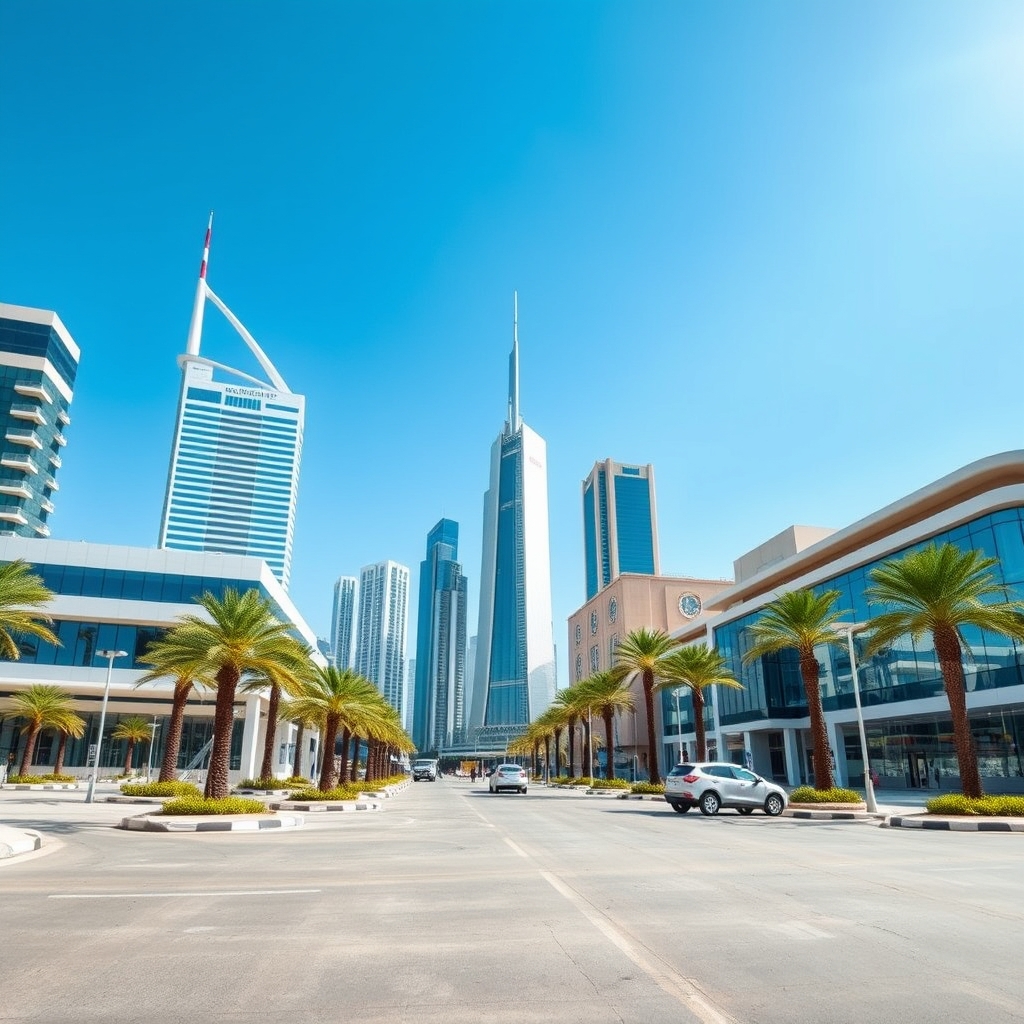
Dubai has positioned itself to receive Australian tourists again, with infrastructure, hospitality, and attractions primed for international visitors. However, a complete rebound in Australian visitor numbers is not expected for another 12 months, according to the original report from Karryon.
What is the current state of Dubai tourism from Australia?
Dubai has made a strong case for itself as a destination for Australians, leaning on its reputation for luxury hotels, year-round events, and seamless connectivity. The city’s tourism boards and hospitality operators are clearly ready to compete for long-haul travelers from the Southern Hemisphere.
But readiness on Dubai’s end does not automatically translate into booking momentum. Travel confidence, airfare costs, and the time it takes consumers to shift habits after years of disruption are all working against an immediate surge.
Why is a full rebound still 12 months away?
Long-haul travel recovery rarely follows a straight line. Australian outbound tourism has been rebuilding gradually since international borders reopened, and travelers tend to prioritize closer regional destinations before committing to flights that stretch 14 hours or more.
Airline capacity between Australia and Dubai also plays a role. When seat availability is limited or fares stay elevated, even the most motivated travelers hesitate. Tour operators and travel agents need time to rebuild consumer confidence, refresh marketing campaigns, and re-establish trade relationships with Dubai-based partners.
Why it matters for the Gulf
Australian tourists are high-value visitors. They tend to stay longer, spend more per trip, and favor premium accommodation and experiences, exactly the segment Dubai’s luxury hospitality sector is built around.
For the broader Gulf region, Australian visitor flows also signal how effectively the UAE is re-engaging with Western markets outside Europe and North America. A strong recovery with Australian travelers would reinforce Dubai’s positioning as the world’s most connected city and boost confidence among other long-haul source markets.
Hotels, tour operators, and airlines with routes between Australia and the UAE have a direct financial stake in how quickly this recovery accelerates.
How does Dubai compare to rival long-haul destinations for Australians?
- Dubai: Strong brand recognition, major airline hub, tax-free shopping, year-round events calendar
- Europe: Traditional preference for Australians, but higher overall trip cost and longer journey time
- Southeast Asia: Shorter flights, lower costs, faster post-pandemic recovery with Australian visitors
- Japan: Currently surging in popularity with Australians due to cultural novelty and weaker yen
Dubai’s challenge is not its product. It is competing for wallet share against destinations that either feel more familiar or offer better perceived value at this moment in the travel cycle.
What should UAE tourism stakeholders do now?
The 12-month window is not a setback. It is a runway. Dubai’s tourism authorities and private sector partners have time to lock in trade partnerships with Australian travel agencies, push targeted campaigns during Australia’s peak holiday planning periods, and ensure airfare options remain competitive.
Emirate-level visa simplicity, which Dubai already benefits from thanks to UAE visa-on-arrival access for Australian passport holders, removes one barrier. Competitive packages bundling accommodation, experiences, and flights will likely do more to move the needle than brand advertising alone.
Event-led travel is another lever. Dubai’s Formula 1 calendar, Expo City activations, and world-class New Year’s Eve celebrations are proven drawcards for international visitors willing to plan months in advance.
What comes next for Dubai’s international tourism recovery?
The overall picture for Dubai tourism remains optimistic. The city continues to rank among the world’s top visited destinations, and its investment in infrastructure, entertainment, and connectivity keeps it well ahead of regional competitors.
For Australians specifically, the next 12 months will likely see incremental growth rather than a dramatic spike. Travel trade insiders will watch closely as airline schedules firm up for 2025 and 2026, and as consumer spending patterns in Australia become clearer against a backdrop of cost-of-living pressures at home.
Dubai is ready. The question is whether the conditions aligning around pricing, capacity, and traveler confidence will fall into place fast enough to beat that 12-month estimate.
Do you think Dubai should be doing more to attract Australian visitors, or is the 12-month timeline realistic given current travel trends? Share your thoughts in the comments below.

Related Posts
Stay Informed With the Latest & Most Important News
Previous Post
Next Post






Advertisement

-
 01UAE Team Emirates Stays Close in UCI Rankings Thanks to Tuckwell
 -
 02UAE E-Commerce Trends 2026: Why the Market Moves Fast
 -
 03Dubai Summer Surprises 2026: Full Arab Concert Lineup
 -
 04Sheikh Mohamed at G7: UAE Pledges Global Stability Role
 -
 05Windshield Sunshade in UAE Heat: Does It Actually Work?
 -
 06UAE Stocks Rally as Iran Ceasefire Talks Lift Gulf Markets
 -
 07Gulf Investors Blocked by European Rules, Saudi PIF Warns