





Now Reading: Dubai Digital Twin Platform Reshapes the City’s Future
-
01
Dubai Digital Twin Platform Reshapes the City’s Future
Dubai Digital Twin Platform Reshapes the City’s Future

Advertisement

Dubai's Digital Twin Platform marks a major leap in smart city technology. See what it means for the UAE and the wider Gulf region. Click to learn more.
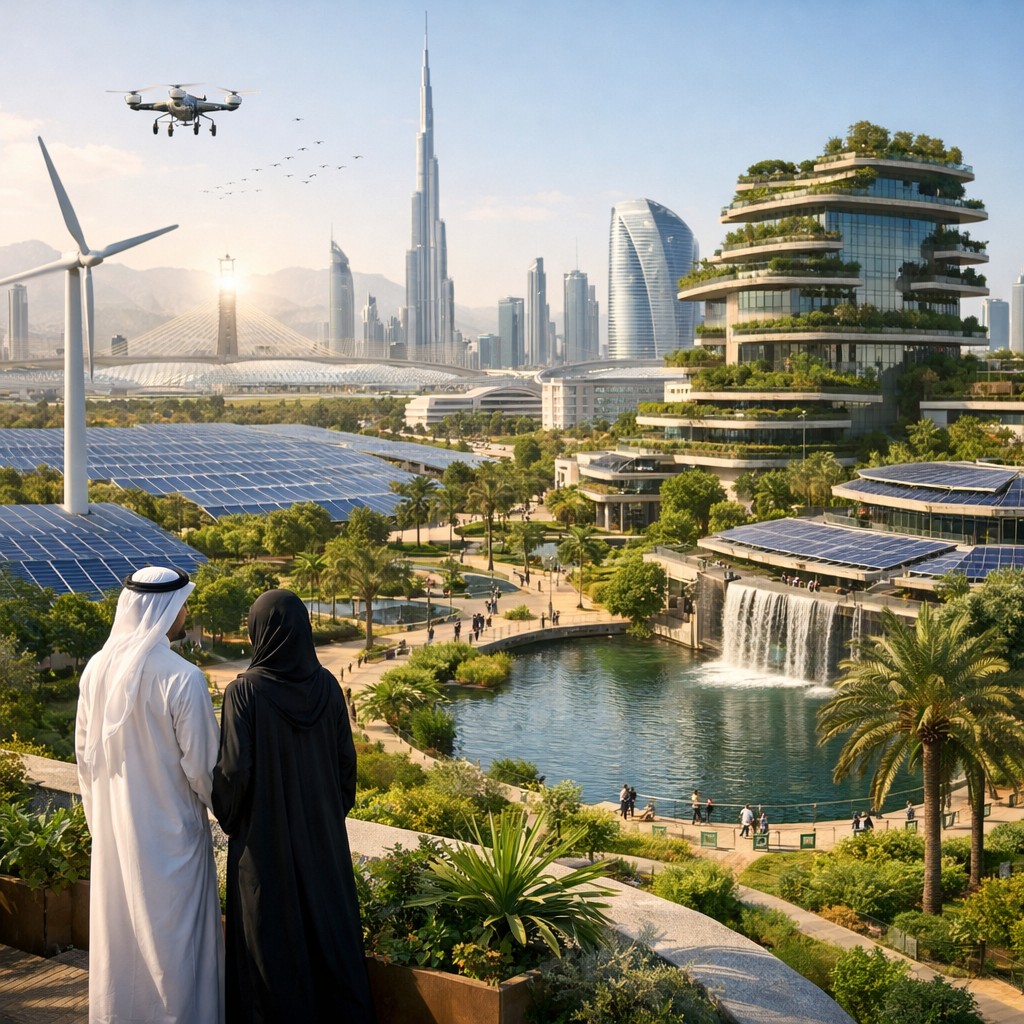
Dubai has launched a Digital Twin Platform that creates a real-time, data-rich virtual replica of the city. The move positions Dubai among a handful of global cities using this technology at scale, and signals a significant step forward in the emirate’s broader digital transformation agenda.
What Is the Dubai Digital Twin Platform?
A digital twin is a live virtual model of a physical environment, continuously updated with real-world data. Dubai’s version maps the entire city, integrating infrastructure, buildings, roads, utilities and environmental data into one unified system.
City planners, government agencies and developers can use the platform to simulate scenarios, test decisions and monitor urban systems, all without touching the physical city. Think of it as a flight simulator for urban management.
How Does This Fit Dubai’s Smart City Goals?
The platform sits within Dubai’s wider push to become one of the world’s most technologically advanced cities. Dubai’s government has consistently invested in data infrastructure, artificial intelligence and connected services as part of its long-term economic diversification strategy.
This latest platform brings those threads together. Rather than managing city systems in silos, authorities can now view and analyse the entire urban environment from a single interface.
Why It Matters for the Gulf
Dubai rarely builds in isolation. When the emirate deploys technology at this scale, it typically sets a template that other Gulf cities follow. Abu Dhabi, Riyadh and Doha are all investing heavily in smart city infrastructure, and a proven digital twin model from Dubai gives regional planners a working reference point.
For the Gulf’s construction and real estate sectors, the implications are immediate. Developers can run detailed simulations before breaking ground, reducing costly errors and accelerating approvals. Government bodies can model the impact of new roads, transit lines or zoning changes before committing public funds.
What Problems Does It Solve?
Rapid urban growth is the Gulf’s defining challenge. Cities like Dubai expand faster than most governments can plan for, and traditional data systems struggle to keep pace. A digital twin changes that equation by giving decision-makers a dynamic, always-current picture of the city.
Emergency response is another key application. Authorities can simulate disaster scenarios, model evacuation routes or anticipate infrastructure stress during large-scale events, critical for a city that hosts millions of tourists and major global gatherings each year.
Key Capabilities of the Platform at a Glance
- Real-time 3D mapping of Dubai’s physical infrastructure
- Scenario simulation for urban planning and development
- Integration of environmental, traffic and utility data
- Support for government agencies, developers and emergency services
- Foundation for AI-driven city management tools
Where Does This Technology Stand Globally?
Singapore is widely regarded as the pioneer of city-scale digital twins, having built its Virtual Singapore model over several years. Helsinki and Shanghai have developed similar systems. Dubai’s platform puts the UAE firmly in that top tier, and given the emirate’s execution pace, it may surpass some of those earlier models in scope and integration speed.
The technology is also commercially significant. As Dubai’s digital twin matures, it creates an ecosystem for technology companies, consultants and data firms to build products and services on top of the platform, adding another layer to the city’s innovation economy.
What Comes Next?
The platform is described as a milestone, not a finished product. Digital twins grow more valuable over time as they accumulate data and expand their coverage. Future iterations are expected to incorporate more granular building-level data, deeper AI analytics and tighter links to Dubai’s existing smart government services.
For residents and businesses, the most tangible near-term benefit will likely be faster, better-informed decisions from the authorities who manage the city’s growth, from permit approvals to infrastructure upgrades.
For full details on the platform’s specifications and rollout, see the original report.
As Gulf cities race to digitise their infrastructure, do you think a shared regional digital twin network could be the next logical step? Leave your thoughts in the comments below.

Related Posts

Stay Informed With the Latest & Most Important News
Previous Post
Next Post






Advertisement

-
 01Sheikh Mohamed at G7: UAE Pledges Global Stability Role
 -
 02UAE Team Emirates Stays Close in UCI Rankings Thanks to Tuckwell
 -
 03UAE Stocks Rally as Iran Ceasefire Talks Lift Gulf Markets
 -
 04Gulf Investors Blocked by European Rules, Saudi PIF Warns
 -
 05UAE Tourism 2025: UK Lifts Warning as Hotels and Flights Boom
 -
 06Windshield Sunshade in UAE Heat: Does It Actually Work?
 -
 07Working on a Public Holiday in UAE: Know Your Rights