













Now Reading: Afghanistan Photography: Rare Images Reveal a Hidden World
-
01
Afghanistan Photography: Rare Images Reveal a Hidden World
Afghanistan Photography: Rare Images Reveal a Hidden World
Advertisement

Rare Afghanistan photography offers an unseen look at daily life beyond the headlines. Discover why these images matter to Gulf audiences. Click to explore.
A rare photographic window into Afghanistan is drawing attention across the Arab world, capturing everyday life, landscapes, and faces that rarely make it into mainstream media. The images challenge familiar narratives, offering Gulf audiences a more layered, human portrait of a country that has long been defined by conflict in Western coverage.
What Does Afghanistan Really Look Like Beyond the Headlines?
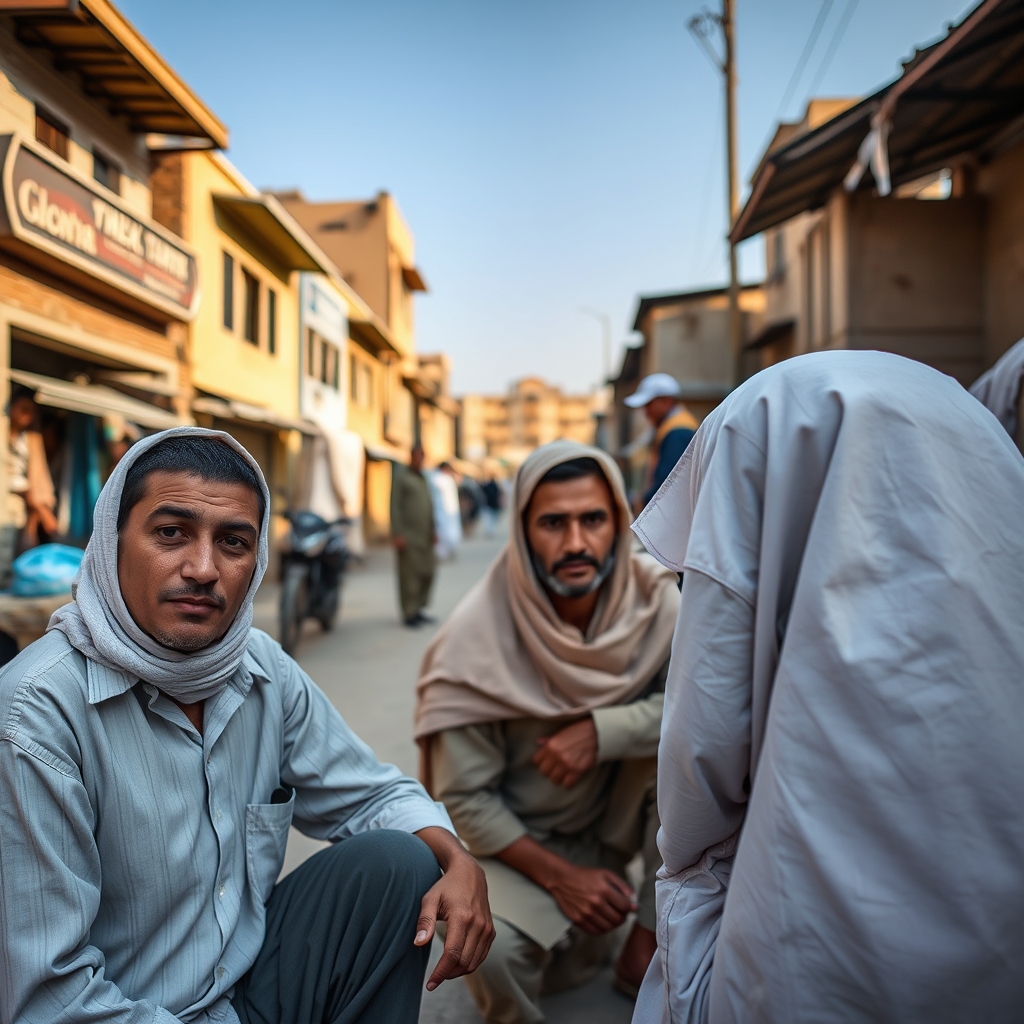
For most people in the Gulf, Afghanistan appears through the lens of political upheaval and humanitarian crisis. These photographs push past that frame. They document markets, mountain villages, children at play, and elders at rest, scenes that speak to a continuity of culture that wars and governments have never fully erased.
The work reminds viewers that Afghanistan is one of the most visually striking countries in Asia, home to dramatic terrain stretching from the Hindu Kush mountains to the plains of the north. That geography alone has shaped centuries of trade, migration, and cultural exchange with the broader Islamic world.
Why Does Afghanistan Photography Matter for the Gulf?
The Gulf’s connection to Afghanistan is not abstract. Millions of Afghan nationals have lived and worked across the UAE, Saudi Arabia, and Kuwait over the decades. Many Gulf residents have personal or professional ties to the country, making visual documentation of Afghan life resonate far closer to home than it might for a Western audience.
There is also a shared religious and cultural thread. Afghanistan’s mosques, traditional dress, and seasonal festivals echo practices familiar across the Arabian Peninsula. Seeing those parallels captured in photography can shift a Gulf viewer’s perspective from distance to recognition.
Who Is Behind This Rare Visual Record?
According to the original report via Arabian Business, the photography project surfaces imagery that sits well outside the typical conflict-driven visual archive that dominates coverage of the country. The photographers involved have sought out the ordinary rather than the extraordinary, finding dignity in routine moments rather than drama in crisis.
That editorial choice matters. Photography that humanises a population rather than defining it by its worst circumstances has a documented effect on how audiences form opinions and policy preferences. In a region where Afghan communities are neighbours, colleagues, and friends, that matters practically as well as artistically.
What Subjects Do the Images Cover?
The photographs span a broad range of Afghan life. Key subjects include:
- Rural communities and agricultural landscapes in provinces rarely visited by outsiders
- Urban street scenes capturing commerce, transport, and social interaction
- Traditional crafts, textiles, and artisan trades passed between generations
- Women and children in domestic and public settings
- Architectural heritage, from ancient citadels to contemporary city blocks
How Does This Compare to Typical Media Coverage of Afghanistan?
| Mainstream Media Coverage | This Photography Project |
|---|---|
| Focuses on conflict and political events | Documents daily civilian life |
| Breaking-news timeframe | Long-form, sustained observation |
| Sourced from urban centres and frontlines | Reaches rural and overlooked communities |
| Reinforces crisis narrative | Surfaces cultural continuity and resilience |
What Can Gulf Viewers Take From This?
Photography has always been a powerful diplomatic tool, one that governments and NGOs deploy to build or break sympathy. For Gulf states navigating relationships with a Taliban-governed Afghanistan, public understanding of Afghan society at the grassroots level carries real weight. Trade links, refugee policy, and diaspora communities all factor into that equation.
The UAE in particular has played a significant role in Afghan affairs over recent decades, from hosting peace talks to receiving evacuees. A visual record of who Afghans are, beyond crisis moments, feeds into a more informed public conversation on those issues.
Where Can You See the Photography?
The full collection and context behind the project are detailed in the Arabian Business coverage. For anyone interested in visual journalism, humanitarian photography, or simply a more complete picture of a country that neighbours this region in history and culture, the work is worth exploring in full.
Photography like this raises a broader question worth sitting with: how much does the imagery we consume shape what we believe is worth caring about, and whose stories get told at all? Share your thoughts in the comments below.

Related Posts

Stay Informed With the Latest & Most Important News
Previous Post
Next Post






Advertisement

-
 01UAE Team Emirates Stays Close in UCI Rankings Thanks to Tuckwell
 -
 02UAE E-Commerce Trends 2026: Why the Market Moves Fast
 -
 03Dubai Summer Surprises 2026: Full Arab Concert Lineup
 -
 04Sheikh Mohamed at G7: UAE Pledges Global Stability Role
 -
 05Windshield Sunshade in UAE Heat: Does It Actually Work?
 -
 06UAE Stocks Rally as Iran Ceasefire Talks Lift Gulf Markets
 -
 07Gulf Investors Blocked by European Rules, Saudi PIF Warns