
















Now Reading: Abu Dhabi Cements Its Rise as a Top Global Business Hub
-
01
Abu Dhabi Cements Its Rise as a Top Global Business Hub
Abu Dhabi Cements Its Rise as a Top Global Business Hub

Advertisement

Abu Dhabi is strengthening its status as a global business and investment hub. Here's what's driving the momentum and why it matters for the Gulf.
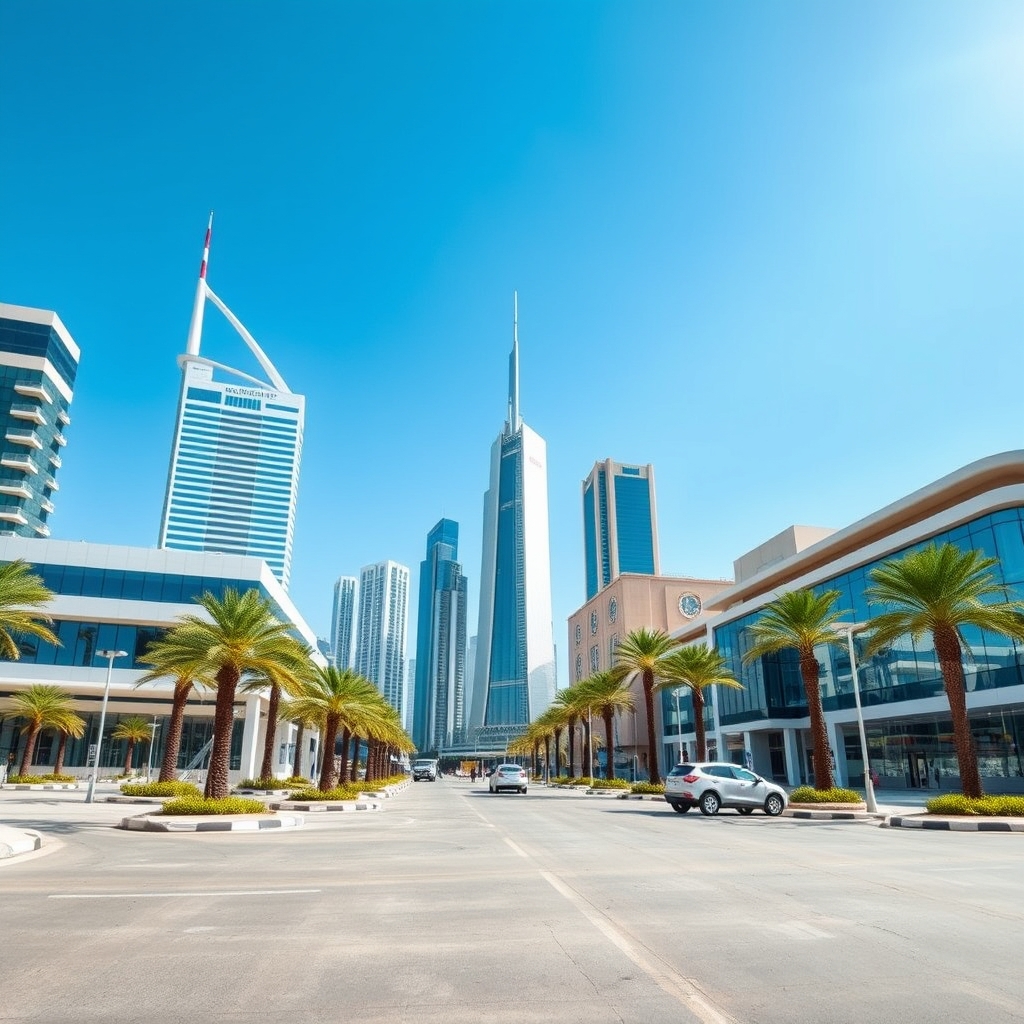
Abu Dhabi is reinforcing its standing as one of the world’s premier destinations for business and investment, backed by strategic policy reforms, infrastructure expansion, and a deliberate push to attract multinational capital. The emirate is no longer simply competing in the region, it is positioning itself on the same tier as established global financial centres.
What Is Driving Abu Dhabi’s Business Growth?
The emirate has been rolling out a series of reforms designed to make it easier for foreign companies to set up, operate, and scale. These include streamlined licensing procedures, expanded free zone offerings, and legal frameworks that give international investors greater ownership rights and dispute protections.
Abu Dhabi’s sovereign wealth funds, particularly the Abu Dhabi Investment Authority, continue to play a central role in projecting the emirate’s financial influence globally, while also signalling to incoming investors that the capital ecosystem here is mature and well-resourced.
Why It Matters for the Gulf
Abu Dhabi’s rise carries consequences beyond its own borders. As the emirate attracts more headquarters, regional offices, and investment flows, it shapes where talent moves, where deals get structured, and where supply chains anchor across the broader Gulf.
For UAE residents and Gulf nationals, this translates into more job opportunities, a richer business environment, and increased competition that can drive better services and pricing across sectors from finance to logistics to technology.
Neighbouring economies are watching closely. Bahrain, Saudi Arabia, and Qatar have all accelerated their own investment-friendly reforms in recent years, and Abu Dhabi’s momentum puts pressure on the entire region to sharpen its offer to global capital.
What Sectors Are Leading the Charge?
Several industries are at the core of Abu Dhabi’s investment pitch. Technology and artificial intelligence, clean energy, financial services, and tourism have all seen significant inflows and government-backed development programmes.
The emirate’s Hub71 tech ecosystem has grown into a recognised launchpad for startups, while Masdar City continues to position Abu Dhabi as the Gulf’s clean energy capital. These are not vanity projects. They are attracting real venture capital and corporate partnerships from across Europe, Asia, and North America.
Key Pillars of Abu Dhabi’s Investment Appeal
- 100% foreign ownership permitted in a wide range of business sectors
- Zero personal income tax and competitive corporate tax framework
- Strategic geographic position connecting East and West trade routes
- World-class infrastructure including Zayed International Airport expansion
- Strong sovereign credit ratings underpinning investor confidence
- Active free zones offering tailored business environments across industries
How Does Abu Dhabi Compare to Other Regional Hubs?
| City | Key Strength | Primary Focus Sectors |
|---|---|---|
| Abu Dhabi | Sovereign wealth and energy | Finance, Tech, Clean Energy |
| Dubai | Trade and logistics | Retail, Tourism, Crypto |
| Riyadh | Vision 2030 mega-projects | Entertainment, Infrastructure |
| Doha | LNG exports and diplomacy | Energy, Sports, Aviation |
What Comes Next for Investors Eyeing Abu Dhabi?
The emirate is not resting on its current momentum. Officials have signalled continued investment in digital infrastructure, healthcare innovation, and advanced manufacturing as the next wave of growth sectors. The regulatory environment is also being refined to accommodate emerging asset classes, including digital assets and green bonds.
For businesses still weighing a Gulf entry point, Abu Dhabi is making a deliberate case that it offers more than tax benefits. It is pitching long-term stability, a growing consumer base, and government partnerships as a package that few cities globally can replicate right now.
You can read more details in the original report from Gulf Today.
Disclaimer: This article contains information of a financial and investment nature. Readers should conduct independent research before making any business or investment decisions.
With Abu Dhabi pushing hard to attract global capital and talent, do you think the emirate has what it takes to rival established hubs like Singapore or London, or is there still ground to cover? Share your thoughts in the comments below.

Related Posts



Stay Informed With the Latest & Most Important News
Previous Post
Next Post






Advertisement

-
 01UAE Team Emirates Stays Close in UCI Rankings Thanks to Tuckwell
 -
 02UAE E-Commerce Trends 2026: Why the Market Moves Fast
 -
 03Dubai Summer Surprises 2026: Full Arab Concert Lineup
 -
 04Sheikh Mohamed at G7: UAE Pledges Global Stability Role
 -
 05Windshield Sunshade in UAE Heat: Does It Actually Work?
 -
 06UAE Stocks Rally as Iran Ceasefire Talks Lift Gulf Markets
 -
 07Gulf Investors Blocked by European Rules, Saudi PIF Warns