

















Now Reading: Abu Dhabi China Tourism: High-Level Talks Signal Big Push
-
01
Abu Dhabi China Tourism: High-Level Talks Signal Big Push
Abu Dhabi China Tourism: High-Level Talks Signal Big Push
Advertisement

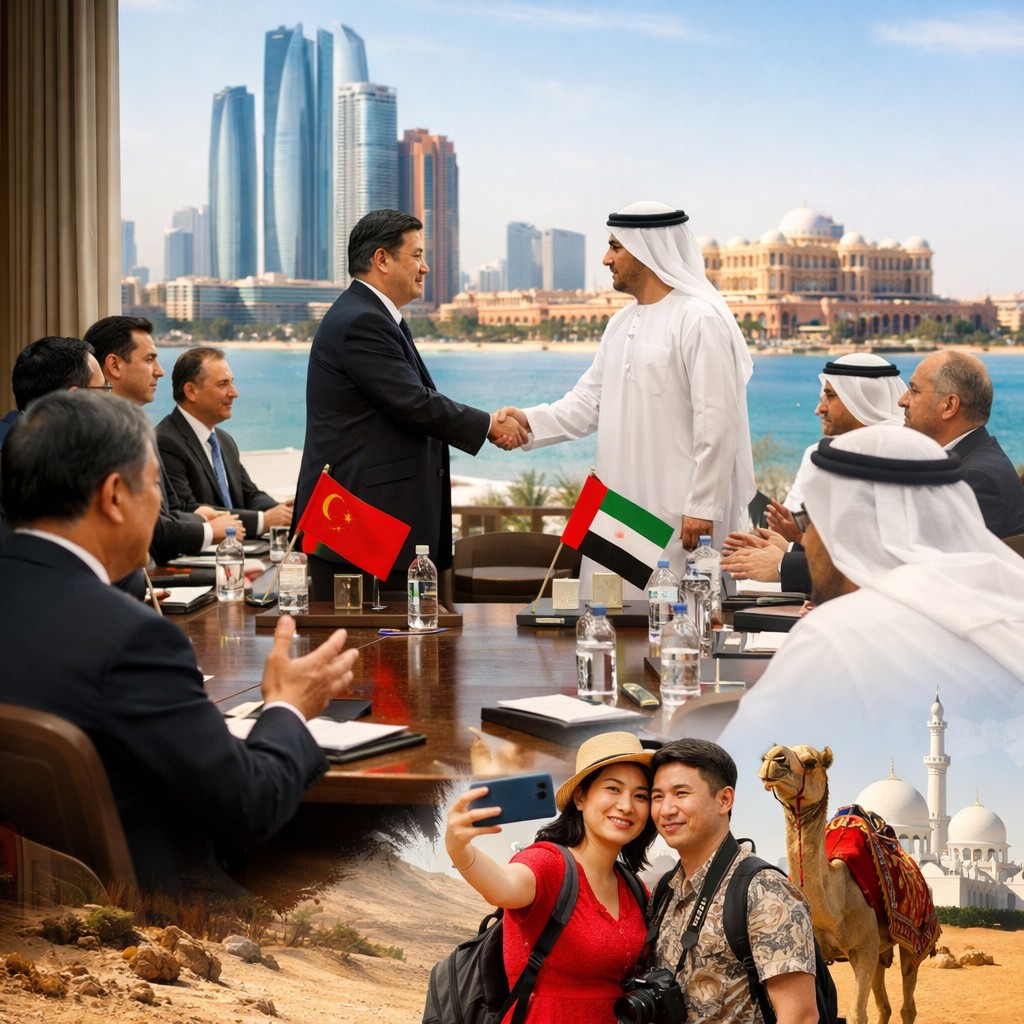
Abu Dhabi is courting Chinese visitors with a high-level delegation visit. Here's what it means for UAE tourism and why Gulf travelers should pay attention.
Abu Dhabi is stepping up its pursuit of Chinese tourists, sending a high-level delegation to engage directly with China’s travel industry. The move signals a deliberate, top-down strategy to position the UAE capital as a premier destination for one of the world’s largest outbound travel markets.
What Did the Abu Dhabi Delegation Do in China?
Senior tourism officials from Abu Dhabi met with key stakeholders in China’s travel sector, strengthening ties with tour operators, travel agencies, and hospitality partners. The meetings were aimed at building concrete pipelines for Chinese visitor arrivals, not just goodwill handshakes.
The delegation approach, rather than a marketing campaign alone, shows Abu Dhabi is treating the Chinese market as a long-term strategic priority. Face-to-face engagement carries significant weight in Chinese business culture, and Abu Dhabi’s officials clearly understood that.
Why Is Abu Dhabi Targeting Chinese Tourists Now?
China’s outbound tourism has been recovering steadily since the country reopened its borders following years of strict travel restrictions. With millions of Chinese travelers back on the move globally, destinations are competing hard for a slice of that spending power.
Abu Dhabi has been diversifying its tourism source markets aggressively. Reducing dependence on any single region makes the emirate’s visitor economy more resilient, and China represents a high-value, high-volume opportunity that few destination authorities can afford to ignore.
Why It Matters for the Gulf
The Gulf region as a whole stands to benefit when one of its anchors pulls in more long-haul traffic. Chinese visitors who fly into Abu Dhabi often extend trips to Dubai, Oman, or Qatar, spreading tourism revenue across the region.
There is also a competitive dimension. Saudi Arabia has been making loud, well-funded moves to attract Chinese tourists as part of Vision 2030. Abu Dhabi engaging at a diplomatic and industry level keeps the UAE firmly in that race.
Abu Dhabi vs. Regional Rivals: China Tourism Focus
| Destination | China Tourism Strategy | Key Advantage |
|---|---|---|
| Abu Dhabi | High-level delegation engagement | Cultural attractions, luxury hospitality |
| Dubai | Established Chinese visitor base, retail appeal | Shopping, global connectivity |
| Saudi Arabia | Vision 2030 tourism investment | New mega-projects, religious tourism |
| Qatar | Post-World Cup brand boost | Sports tourism, compact city experience |
What Can Chinese Visitors Expect in Abu Dhabi?
Abu Dhabi has been expanding its offering well beyond the Sheikh Zayed Grand Mosque, the city’s most recognizable landmark for Asian tourists. Theme parks, world-class museums, desert experiences, and a growing calendar of international events give visitors more reasons to stay longer and spend more.
Mandarin-language services, UnionPay acceptance, and Chinese-friendly hospitality have been expanding across the emirate’s hotels and attractions, lowering the practical barriers for first-time visitors from China.
What Comes Next?
Delegation visits of this nature typically lead to formal partnership agreements, co-marketing arrangements, and sometimes direct air route negotiations. Watch for announcements from Visit Abu Dhabi in the coming months that follow through on the groundwork laid during these meetings.
The broader trajectory is clear. Abu Dhabi is not waiting for Chinese tourists to discover it on their own. The emirate is going to the source, building relationships and removing friction at the industry level before those travelers even book a flight.
For more details on the delegation and its meetings, read the original report from Travel and Tourism News Middle East.
Do you think Abu Dhabi’s direct engagement strategy will give it an edge over Dubai and Saudi Arabia in attracting Chinese tourists? Share your thoughts in the comments below.

Related Posts
Stay Informed With the Latest & Most Important News
Previous Post
Next Post






Advertisement

-
 01UAE Team Emirates Stays Close in UCI Rankings Thanks to Tuckwell
 -
 02UAE E-Commerce Trends 2026: Why the Market Moves Fast
 -
 03Dubai Summer Surprises 2026: Full Arab Concert Lineup
 -
 04Sheikh Mohamed at G7: UAE Pledges Global Stability Role
 -
 05Windshield Sunshade in UAE Heat: Does It Actually Work?
 -
 06UAE Stocks Rally as Iran Ceasefire Talks Lift Gulf Markets
 -
 07Gulf Investors Blocked by European Rules, Saudi PIF Warns