














Now Reading: Why Hormel Foods slashed its sales forecast—what it means for UAE
-
01
Why Hormel Foods slashed its sales forecast—what it means for UAE
Why Hormel Foods slashed its sales forecast—what it means for UAE
Advertisement

Hormel Foods cut its annual sales forecast. Find out why the US food giant is struggling and how it could impact UAE food prices and supply chains.
Why Hormel Foods slashed its sales forecast—what it means for UAE
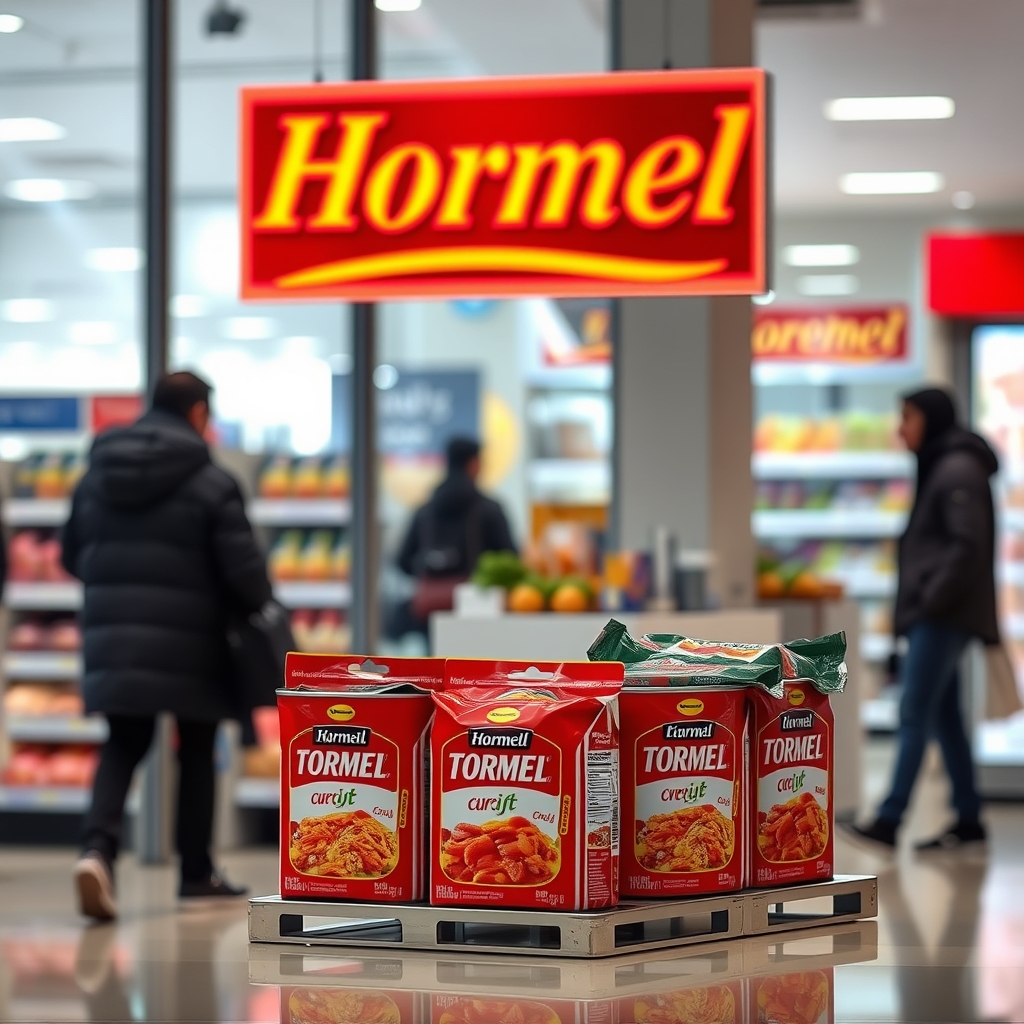
Hormel Foods, the US-based food giant behind brands like Spam and Skippy, has cut its annual sales forecast for the second time this year. The company now expects net sales to drop 1% to 3% in 2024, down from its earlier projection of flat sales. Rising costs, weaker demand, and shifting consumer habits are squeezing profits.
What triggered the downgrade
Hormel’s revised forecast reflects a tougher-than-expected market. The company cited lower volumes in its retail and foodservice divisions, particularly for its refrigerated and international products. Inflation has made consumers more price-sensitive, leading them to cut back on premium brands or switch to cheaper alternatives.
Supply chain disruptions and higher input costs—especially for meat and packaging—have also eaten into margins. Hormel’s stock fell 5% after the announcement, extending a year-long decline that has wiped out nearly 20% of its value.
How this affects the Gulf’s food supply
The UAE and wider Gulf region rely heavily on imported food products, including processed meats and shelf-stable goods from US manufacturers like Hormel. Any slowdown in production or pricing adjustments could ripple through local supermarkets and restaurants.
In 2023, the UAE imported over $1.2 billion worth of meat and meat preparations, with the US ranking among the top five suppliers. A weaker dollar or supply constraints could push prices higher, adding pressure to household budgets already strained by inflation.
Will UAE food prices rise?
Not necessarily—but the risk is real. Hormel’s struggles mirror broader challenges in the global food industry. If other major suppliers follow suit, retailers may pass on costs to consumers. However, the UAE’s diverse import sources and strong logistics network could help mitigate the impact.
Local alternatives, such as regional halal meat producers, might also gain traction if US brands become less competitive. Still, for products like Spam—a staple in many Gulf households—substitutes may not be as readily available.
Key factors to watch
- Consumer demand: Will shoppers trade down to cheaper brands or private labels?
- Currency fluctuations: A weaker dirham could make US imports more expensive.
- Supply chain resilience: Can Hormel and other suppliers maintain steady shipments to the Gulf?
- Regional competition: Will local or European brands fill the gap?
What’s next for Hormel
The company is betting on cost-cutting and innovation to turn things around. It plans to streamline operations and focus on higher-margin products, like its plant-based and snack lines. But with inflation still high and recession fears lingering, the road to recovery won’t be easy.
For Gulf consumers, the bigger question is whether Hormel’s woes are a temporary blip or a sign of deeper trouble in the global food supply chain. If other major players follow suit, the UAE’s grocery bills could feel the pinch.
Disclaimer: This article discusses financial market trends and should not be taken as investment advice.
Will you notice the impact of Hormel’s sales slump at your local supermarket? Share your thoughts in the comments.
Food Business Middle East & Africa has the original report.

Related Posts

Stay Informed With the Latest & Most Important News
Previous Post
Next Post







Advertisement

-
 01UAE Team Emirates Stays Close in UCI Rankings Thanks to Tuckwell
 -
 02UAE E-Commerce Trends 2026: Why the Market Moves Fast
 -
 03Dubai Summer Surprises 2026: Full Arab Concert Lineup
 -
 04Sheikh Mohamed at G7: UAE Pledges Global Stability Role
 -
 05Windshield Sunshade in UAE Heat: Does It Actually Work?
 -
 06UAE Stocks Rally as Iran Ceasefire Talks Lift Gulf Markets
 -
 07Gulf Investors Blocked by European Rules, Saudi PIF Warns