


















Now Reading: US-Iran Conflict: What UAE Residents Must Know Now
-
01
US-Iran Conflict: What UAE Residents Must Know Now
US-Iran Conflict: What UAE Residents Must Know Now

Advertisement

US-Iran conflict is raising urgent questions for UAE residents. Here's what you need to know about flight updates, travel advisories, and regional safety.
Escalating tensions between the United States and Iran are prompting urgent questions from UAE residents about flight safety, travel advisories, and what the standoff could mean for daily life across the Gulf. Here is a clear-eyed breakdown of what you need to know, from airspace disruptions to border considerations.
What is happening between the US and Iran right now?
The confrontation between Washington and Tehran has intensified, with military posturing and diplomatic pressure raising alarm across the region. The Gulf sits directly in the crosshairs of any escalation, given its geographic proximity to Iran and the presence of major US military installations in countries including the UAE and Bahrain.
For UAE residents, the concern is immediate and practical. Any spike in hostilities has historically triggered airspace closures, airline rerouting, and tightened border protocols across the region.
Are flights affected? What UAE travellers should check
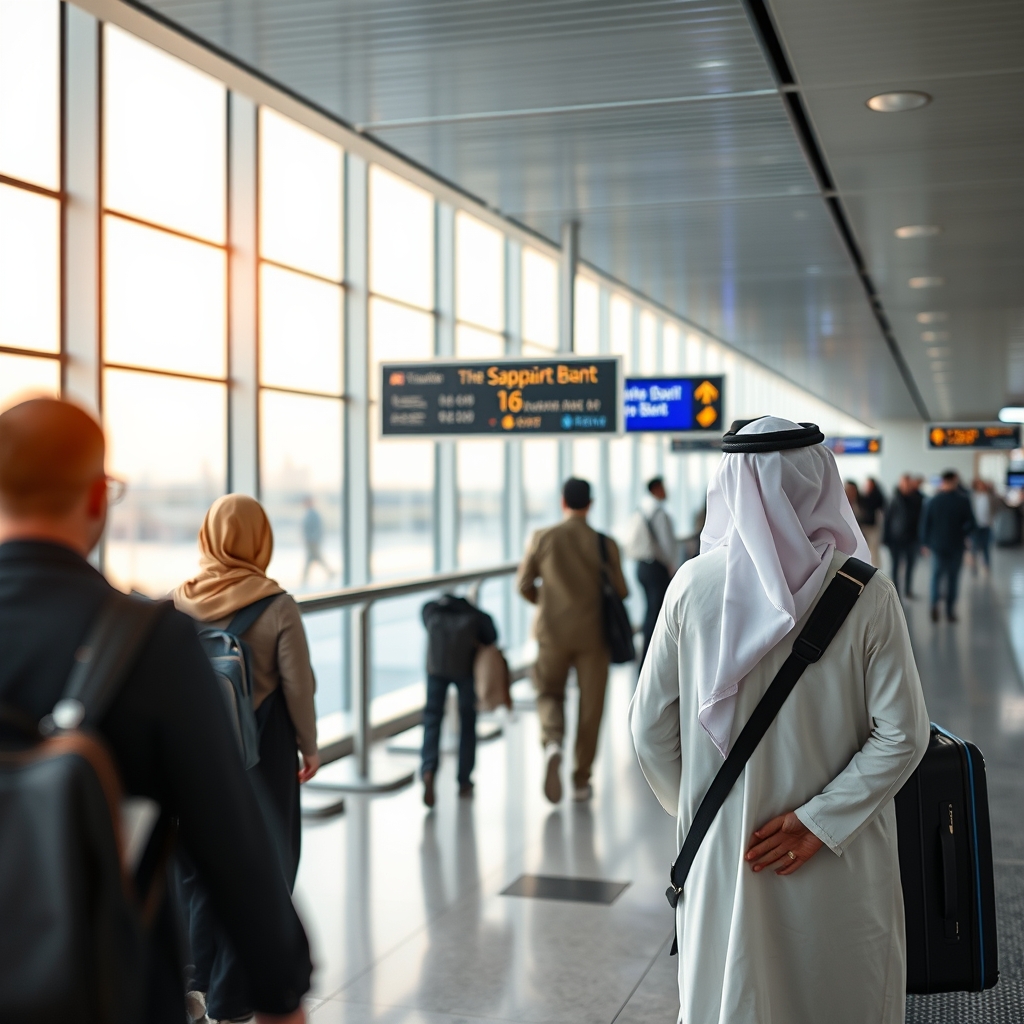
Several international carriers have already adjusted or are monitoring their routes over Iranian airspace as a precaution. Airlines operating through Dubai International Airport and Abu Dhabi’s Zayed International Airport are keeping a close watch on developments.
Passengers with upcoming travel plans, particularly those flying routes that pass over or near Iran, should check directly with their airline before heading to the airport. Rerouted flights can mean longer journey times and, in some cases, schedule changes without prior notice.
Key flight and travel points to watch
- Check your airline’s website or app for real-time route updates before travel.
- Flights crossing Iranian airspace may be rerouted, adding transit time.
- Travel insurance policies may be affected if a destination is placed under an official government advisory.
- UAE authorities and embassies are updating travel guidance as the situation evolves.
Which countries have issued travel advisories?
Several Western governments, including the United States and United Kingdom, have updated their travel advisories for the broader Middle East region. These advisories typically urge citizens to exercise heightened caution, avoid non-essential travel to certain areas, and register with their nearest embassy.
For UAE residents who hold foreign passports, checking your home country’s foreign ministry website is essential. Advisory levels can affect travel insurance coverage and consular support if something goes wrong abroad.
Why it matters for the Gulf
The UAE’s economy is deeply integrated into global trade and tourism. Dubai alone handled over 86 million passengers in 2023, making it one of the world’s busiest aviation hubs. Any sustained disruption to Gulf airspace ripples outward fast, hitting airline revenues, cargo logistics, and traveller confidence.
Beyond aviation, energy markets pay close attention to Iran-US friction. The Strait of Hormuz, through which a significant share of the world’s oil passes, borders both Iran and the UAE. Tension near that chokepoint moves oil prices, which in turn shapes economic planning across every Gulf state.
What should UAE residents do right now?
Stay informed but avoid panic. The UAE government has robust security arrangements and strong diplomatic relationships with all major parties in this dispute. Authorities here have consistently prioritised resident safety and economic stability during previous periods of regional tension.
That said, practical preparation is sensible. Keep travel documents updated, save your embassy’s emergency contact number, and monitor official UAE government channels for any local advisories. If you have travel booked in the coming weeks, speak to your airline and insurer now rather than waiting.
Quick reference: What to do if you have upcoming travel
| Action | Where to check |
|---|---|
| Flight route changes | Your airline’s official app or website |
| Travel advisories | Your home country’s foreign ministry site |
| Insurance coverage | Your travel insurance provider directly |
| Embassy registration | Your country’s embassy in the UAE |
| UAE official updates | UAE NCEMA and official government channels |
For a fuller breakdown of the situation as it was reported, see the original report from Gulf News.
Disclaimer: This article covers an evolving geopolitical situation. Information may change rapidly. Always consult official government and airline sources before making travel or financial decisions.
Are you changing your travel plans because of the current tensions, or are you keeping things as they are? Tell us in the comments below.

Related Posts



Stay Informed With the Latest & Most Important News
Previous Post
Next Post






Advertisement

-
 01UAE Team Emirates Stays Close in UCI Rankings Thanks to Tuckwell
 -
 02UAE E-Commerce Trends 2026: Why the Market Moves Fast
 -
 03Dubai Summer Surprises 2026: Full Arab Concert Lineup
 -
 04Sheikh Mohamed at G7: UAE Pledges Global Stability Role
 -
 05Windshield Sunshade in UAE Heat: Does It Actually Work?
 -
 06UAE Stocks Rally as Iran Ceasefire Talks Lift Gulf Markets
 -
 07Gulf Investors Blocked by European Rules, Saudi PIF Warns