















Now Reading: Canada Saudi Arabia: Carney’s Gulf Shift Signals New Era
-
01
Canada Saudi Arabia: Carney’s Gulf Shift Signals New Era
Canada Saudi Arabia: Carney’s Gulf Shift Signals New Era
Advertisement

Canada PM Carney's Saudi Arabia visit marks a bold foreign policy reset. Here's what it means for Gulf ties and regional diplomacy. Click to read.
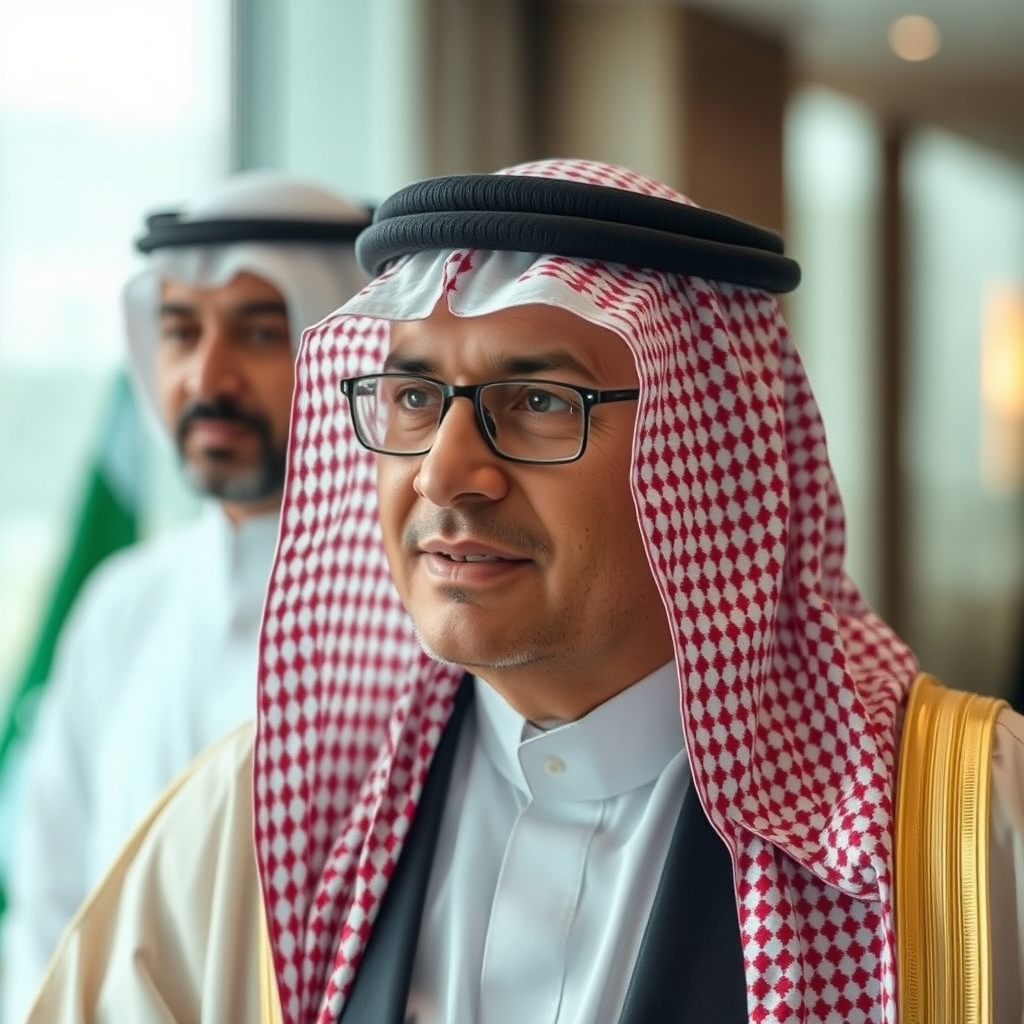
Canadian Prime Minister Mark Carney’s visit to Saudi Arabia signals a deliberate break from years of strained relations between Ottawa and Riyadh. Analysts say Canada has long been trapped in a pattern of moral lecturing that cost it commercial and diplomatic ground in the Gulf, and Carney appears determined to change that calculus.
Why Did Canada Repair Ties With Saudi Arabia?
The relationship between Canada and Saudi Arabia collapsed publicly in 2018 after Ottawa criticized Riyadh’s human rights record on social media, triggering a Saudi diplomatic and trade freeze. The fallout cost Canadian businesses, particularly in agriculture and education, significant market access. Carney’s outreach represents a recognition that principled isolation rarely produces results, and that engagement, however uncomfortable, opens more doors.
Commentator Sharan Kaur, writing for BNN Bloomberg, described the visit as Canada breaking free of what she called a “cycle of self-righteousness,” arguing that the country’s previous posture served domestic politics more than it advanced human rights or strategic interests abroad. Read the original report for the full analysis.
What Does This Mean for Gulf Diplomacy?
For Gulf states, the visit carries a straightforward message: Canada wants back in. Saudi Arabia sits at the centre of the region’s economic transformation, driving Vision 2030 projects worth hundreds of billions of dollars across energy, tourism, and technology. Any Western government serious about trade and influence cannot afford to keep Riyadh at arm’s length.
The wider Gulf Cooperation Council will be watching closely. The UAE, Qatar, and Kuwait all maintain deep economic ties with Canada, and a warmer Canada-Saudi relationship could unlock new frameworks for investment, education partnerships, and energy cooperation that benefit the entire region.
Why It Matters for the Gulf
Gulf nations have grown accustomed to Western partners treating diplomatic engagement as a favour to be withheld or granted based on domestic political moods. Carney’s pivot suggests Canada is ready to treat Gulf relationships as genuine strategic priorities rather than optional extras. That shift, if it holds, creates real opportunities for Gulf businesses and governments seeking reliable partners in North America.
Canadian universities, healthcare providers, and technology firms have all shown interest in Gulf markets. A normalized diplomatic track makes those conversations significantly easier.
How Canada’s Gulf Stance Has Shifted Over Time
| Period | Canada-Saudi Relationship | Key Driver |
|---|---|---|
| Pre-2018 | Active trade and diplomatic ties | Arms exports, education links |
| 2018-2023 | Deep freeze, Saudi student recalls | Ottawa’s human rights Twitter dispute |
| 2024-2025 | Gradual re-engagement | Trade diversification, US tariff pressures |
| Carney visit | Reset underway | Strategic pragmatism, Vision 2030 opportunity |
Is Pragmatism Replacing Principle in Western Foreign Policy?
Carney’s trip fits a broader pattern. Several European governments have quietly rebuilt Gulf ties in recent years, driven by energy security concerns and infrastructure investment needs. Canada’s move is later than most, but the direction is consistent with where Western foreign policy is heading.
Critics at home in Canada will argue that engagement without conditions lets governments off the hook. Supporters counter that frozen relationships produce no accountability either, only lost contracts and reduced influence. The debate is unlikely to be resolved by a single prime ministerial visit, but the visit at least reopens a channel that had gone silent for years.
For the Gulf, the practical benefits are more immediate. Canadian pension funds, one of the world’s largest pools of long-term capital, have shown growing appetite for Gulf infrastructure assets. Diplomatic warmth makes those conversations structurally easier and faster.
Disclaimer: This article covers international political and diplomatic developments. Readers should consult primary government sources for official policy positions.
Do you think Gulf nations benefit more from Western partners who prioritize engagement over public criticism, or does diplomatic pressure still have a role to play? Share your thoughts in the comments below.

Related Posts



Stay Informed With the Latest & Most Important News
Previous Post
Next Post








Advertisement

-
 01UAE Team Emirates Stays Close in UCI Rankings Thanks to Tuckwell
 -
 02UAE E-Commerce Trends 2026: Why the Market Moves Fast
 -
 03Dubai Summer Surprises 2026: Full Arab Concert Lineup
 -
 04Sheikh Mohamed at G7: UAE Pledges Global Stability Role
 -
 05Windshield Sunshade in UAE Heat: Does It Actually Work?
 -
 06UAE Stocks Rally as Iran Ceasefire Talks Lift Gulf Markets
 -
 07Gulf Investors Blocked by European Rules, Saudi PIF Warns