

















Now Reading: Will US-Iran Tensions Derail Gulf Oil Prices?
-
01
Will US-Iran Tensions Derail Gulf Oil Prices?
Will US-Iran Tensions Derail Gulf Oil Prices?
Advertisement

Explore how US-Iran tensions may impact Gulf oil prices. Click to understand the risks and implications.
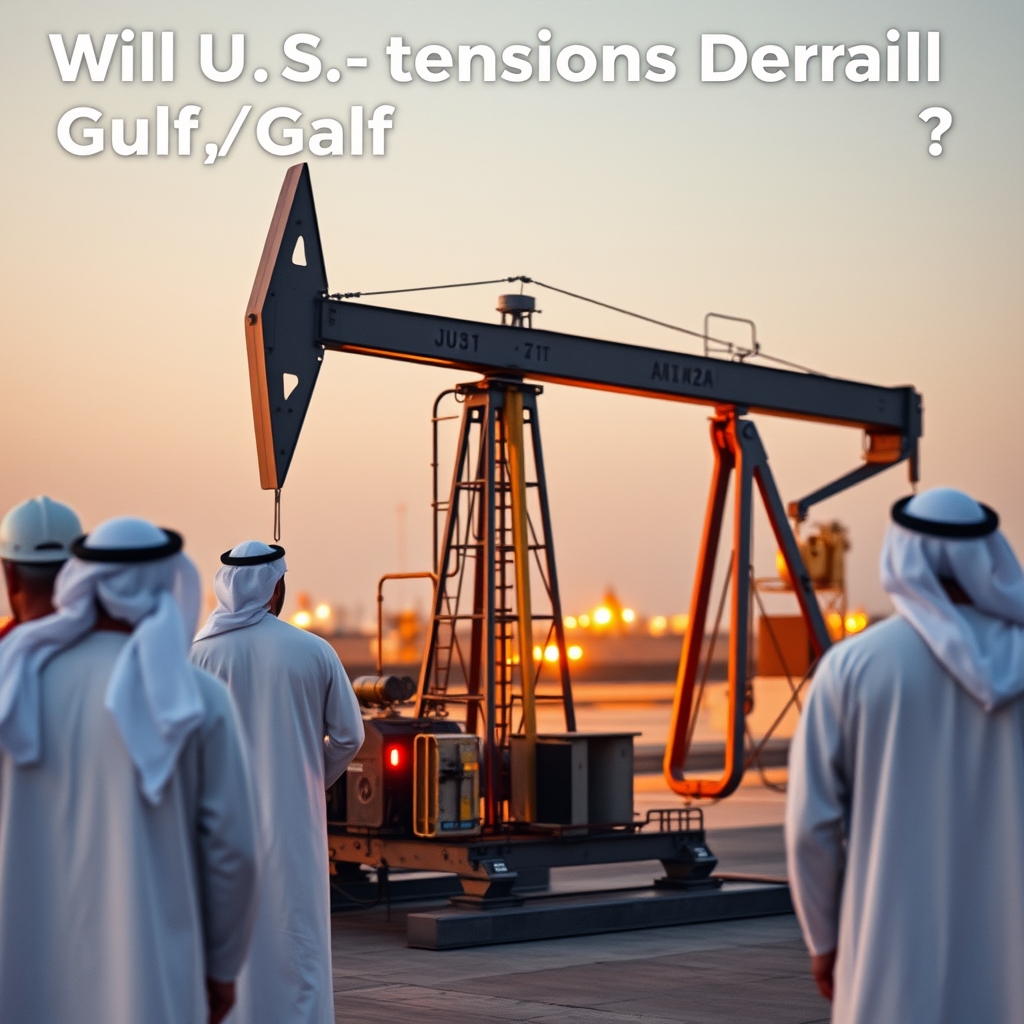
The escalating US-Iran conflict may jeopardize the Gulf’s oil price rebound. Tensions have already disrupted regional stability and oil supply routes.
How US-Iran tensions affect Gulf oil prices
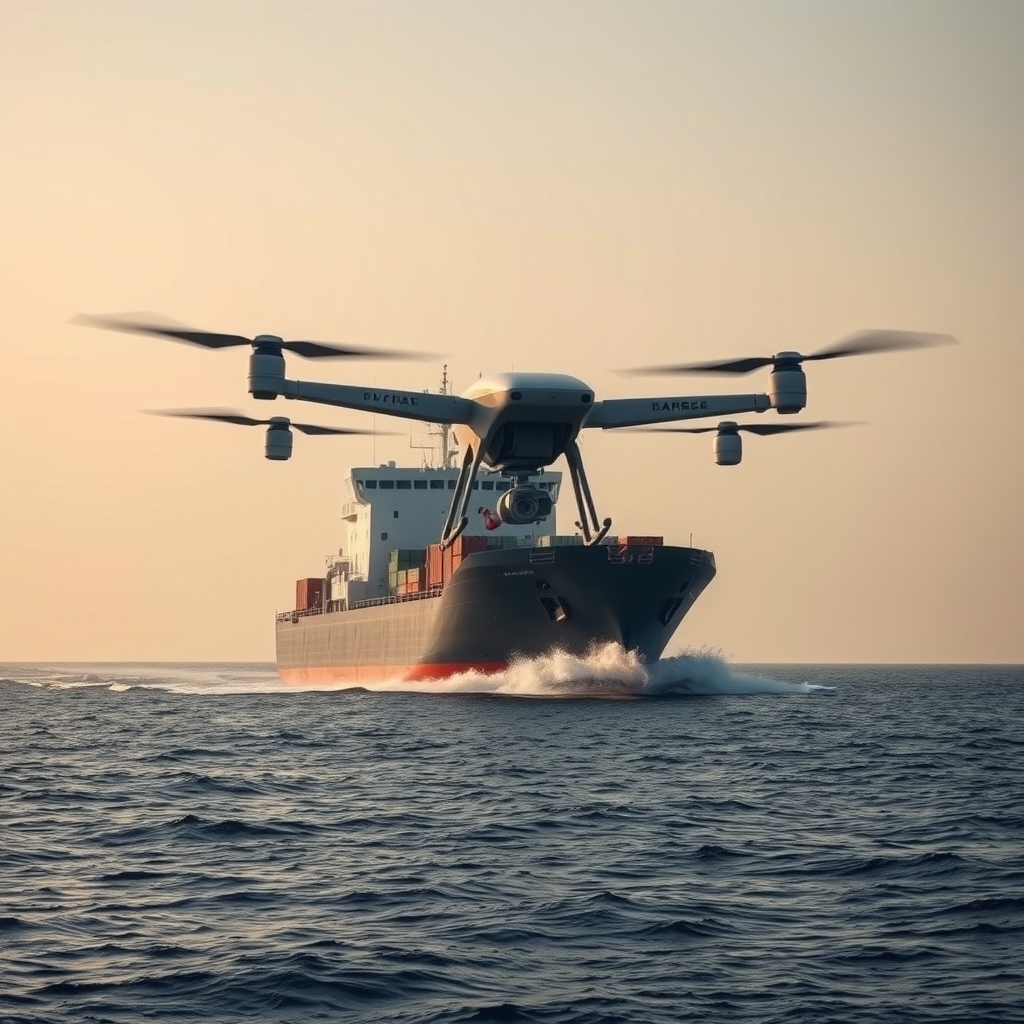
Geopolitical risks in the Middle East often translate to volatility in global oil markets. The Strait of Hormuz, a critical oil transit route, has seen increased activity from both US and Iranian forces.
In May 2019, Iran shot down a US drone near the strait. The US responded with cyberattacks on Iranian military systems. These incidents highlight the potential for further escalation.
What does this mean for Gulf oil producers?
Gulf countries, particularly Saudi Arabia and the UAE, are major oil exporters. Any disruption in the Strait of Hormuz could significantly impact their oil revenues. In 2022, Saudi Arabia exported 7.2 million barrels of oil per day, while the UAE exported 2.8 million barrels.
Higher oil prices benefit Gulf economies in the short term. However, prolonged tensions could deter long-term investments in the energy sector. This could hinder the Gulf’s efforts to diversify its economies.
How might oil prices react to US-Iran tensions?
Oil prices typically rise during geopolitical crises due to supply disruptions. The Brent crude price surged to $75 per barrel in May 2019 amid US-Iran tensions. Prices have since fluctuated but remain sensitive to Middle East developments.
However, the market has also shown resilience. Despite recent tensions, oil prices have not reached the highs seen in 2008 or 2014. This suggests that while geopolitical risks matter, they are just one factor among many influencing oil prices.
Why it matters for the Gulf
The Gulf’s economic stability hinges on steady oil revenues. Prolonged US-Iran tensions could disrupt oil supplies and prices, affecting Gulf economies. Moreover, the region’s security dynamics could shift, with potential implications for trade and investment.
Gulf countries may need to bolster their military capabilities and diplomatic efforts to navigate this complex landscape. They may also need to accelerate economic diversification to reduce reliance on oil revenues.
This is a developing story. The situation could change rapidly, with significant implications for Gulf oil prices and regional stability.
What steps should Gulf countries take to mitigate the risks posed by US-Iran tensions? Share your thoughts in the comments.
This article is for informational purposes only and should not be considered financial advice.
For more details, see the original report from Al-Monitor.

Related Posts

Stay Informed With the Latest & Most Important News
Previous Post
Next Post







Advertisement

-
 01UAE Team Emirates Stays Close in UCI Rankings Thanks to Tuckwell
-
 02UAE E-Commerce Trends 2026: Why the Market Moves Fast
-
 03Dubai Summer Surprises 2026: Full Arab Concert Lineup
-
 04Sheikh Mohamed at G7: UAE Pledges Global Stability Role
-
 05Windshield Sunshade in UAE Heat: Does It Actually Work?
-
 06UAE Stocks Rally as Iran Ceasefire Talks Lift Gulf Markets
-
 07Gulf Investors Blocked by European Rules, Saudi PIF Warns