

















Now Reading: Ube Trend in UAE: Purple Filipino Delight Challenges Matcha
-
01
Ube Trend in UAE: Purple Filipino Delight Challenges Matcha
Ube Trend in UAE: Purple Filipino Delight Challenges Matcha
Advertisement

Discover how the ube craze is reshaping UAE desserts, from cafés to malls. Learn where to taste the purple yam and why it matters for the Gulf food scene.
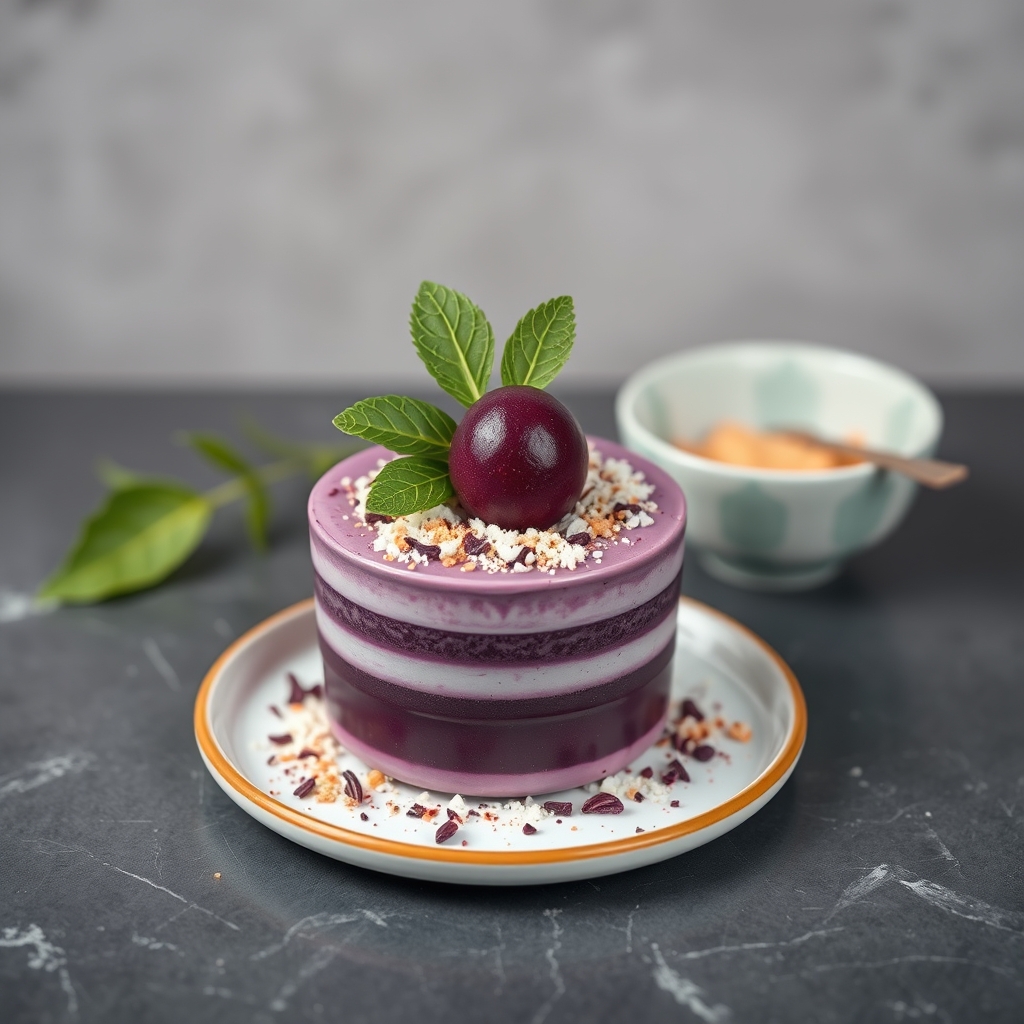
Ube, the vibrant purple yam from the Philippines, is surfacing on menus across Dubai and Abu Dhabi, offering a sweet, earthy alternative to the once‑dominant matcha. Cafés, bakeries, and ice‑cream parlours now showcase ube‑infused treats, turning the ingredient into a must‑try for food‑savvy Gulf residents.
Is ube the new matcha in the UAE?
Matcha ruled social media feeds for years, but the rise of ube is shifting attention. The tuber delivers a naturally bright violet hue and a mildly nutty flavor that blends well with milk, cream, and tropical fruits. Its visual appeal fuels Instagram posts, while its subtle taste satisfies diners looking for something beyond green tea.
Filipino expatriates introduced ube to the Gulf a decade ago, but the ingredient only gained mainstream traction in 2023 when several boutique cafés launched limited‑edition ube desserts. Within months, the purple trend spilled into mainstream chains, prompting a wave of new menu items that cater to both nostalgia‑driven expats and curious locals.
Where to find ube desserts in Dubai and Abu Dhabi
- Ube House Café (Dubai Mall) – serves ube latte, ube cheesecake, and ube‑topped bubble tea.
- Sweet Spot (Al Khawaneej) – offers ube soft‑serve swirl with honey drizzle.
- Filipino Kitchen (Abu Dhabi) – features classic ube halaya (mashed yam jam) paired with fresh fruits.
- Chill & Co. (Jumeirah Lake Towers) – ube milkshake blended with coconut milk and a hint of vanilla.
- Ice Cream Lab (Mirdif City Centre) – ube pistachio ice cream, a seasonal highlight.
Each venue adapts ube to its brand, from drinks to baked goods, ensuring the flavor reaches a wide audience. The ingredient’s versatility also invites chefs to experiment with fusion dishes, such as ube‑infused hummus or ube‑glazed grilled chicken.
Why ube matters for the Gulf food scene
The Gulf’s culinary landscape thrives on novelty. Introducing ube adds a Southeast Asian dimension that complements the region’s growing appetite for diverse, Instagram‑ready dishes. Local producers are responding by importing fresh ube directly from the Philippines, creating a supply chain that could generate new trade opportunities.
Beyond aesthetics, ube offers nutritional benefits that resonate with health‑conscious consumers. It is high in vitamin C, fiber, and anthocyanins—antioxidants that give the tuber its deep color. While it does not replace medical advice, the ingredient’s natural sweetness allows bakers to reduce added sugars.
Ube vs. Matcha: Quick Comparison
| Aspect | Ube | Matcha |
|---|---|---|
| Origin | Philippines (purple yam) | Japan (green tea leaves) |
| Flavor | Earthy, mildly sweet, nutty | Grassy, slightly bitter |
| Color | Vibrant purple | Bright green |
| Typical Uses | Desserts, drinks, pastries | Tea, smoothies, baked goods |
The table shows why chefs may choose ube when they need a bold visual impact and a sweeter base, while matcha remains favored for its caffeine kick and distinct flavor profile.
How the trend could shape future menus
Restaurant groups are already testing ube in savory menus, pairing it with seafood and poultry to add color and a subtle sweetness. If consumer response stays strong, we could see ube featured in hotel buffets, airline catering, and even grocery shelves as ready‑to‑cook kits.
Social media continues to drive demand; each new post featuring a ube‑topped latte generates curiosity and foot traffic. As the Gulf market embraces more Asian influences, the purple yam stands ready to become a staple, just as matcha did a decade ago.
Will ube replace matcha as the go‑to Instagram food trend in the UAE, or will both coexist as culinary icons?
Source: original report.

Related Posts


Stay Informed With the Latest & Most Important News
Previous Post
Next Post





Advertisement

-
 01UAE Team Emirates Stays Close in UCI Rankings Thanks to Tuckwell
-
 02UAE E-Commerce Trends 2026: Why the Market Moves Fast
-
 03Dubai Summer Surprises 2026: Full Arab Concert Lineup
-
 04Sheikh Mohamed at G7: UAE Pledges Global Stability Role
-
 05Windshield Sunshade in UAE Heat: Does It Actually Work?
-
 06UAE Stocks Rally as Iran Ceasefire Talks Lift Gulf Markets
-
 07Gulf Investors Blocked by European Rules, Saudi PIF Warns