

















Now Reading: Houthi attack disrupts Saudi flights, Etihad cancels Abu Dhabi service
-
01
Houthi attack disrupts Saudi flights, Etihad cancels Abu Dhabi service
Houthi attack disrupts Saudi flights, Etihad cancels Abu Dhabi service

Advertisement

Houthi missile strike on Saudi Arabia halts flights, prompting Etihad to cancel an Abu Dhabi route. Discover how the disruption affects Gulf travelers and regional aviation.
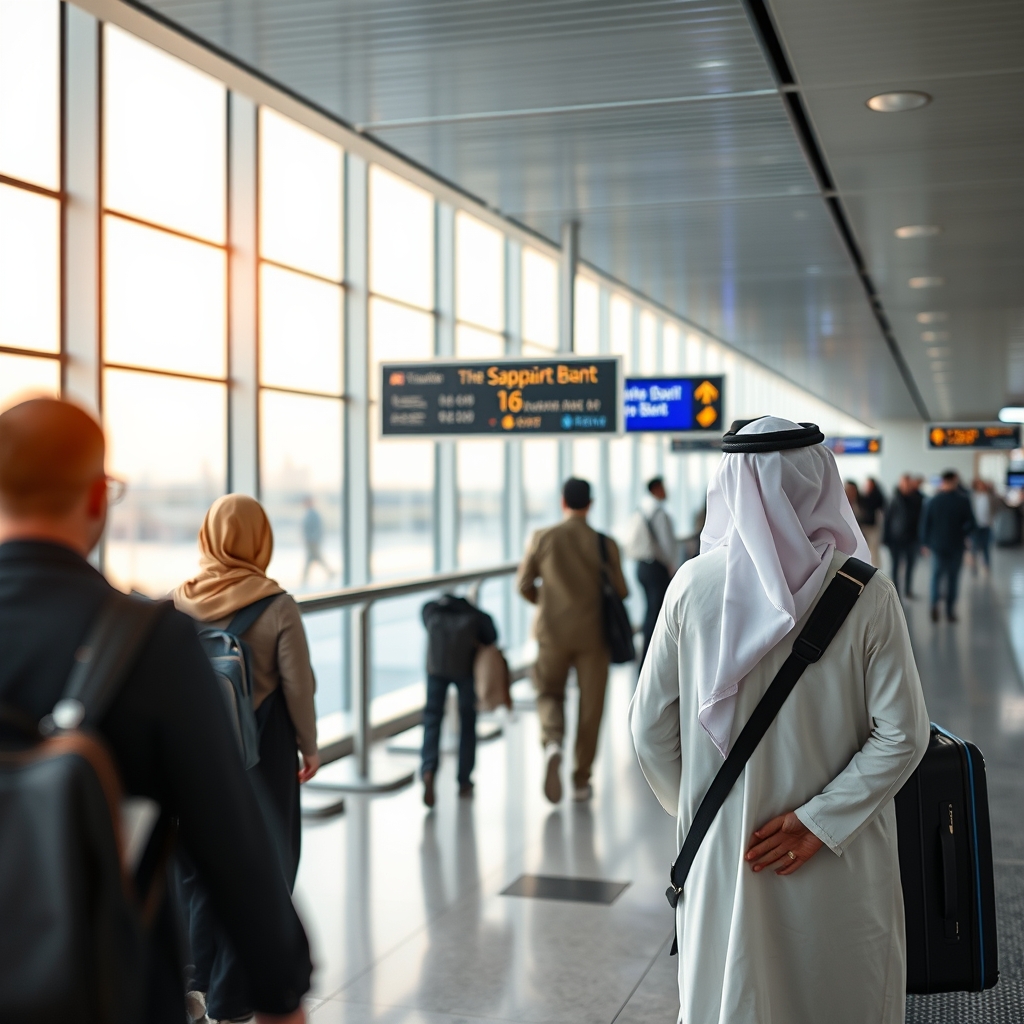
A Houthi missile strike on a Saudi Arabian airport on Tuesday forced the runway to shut, grounding dozens of flights and prompting Etihad Airways to cancel its scheduled Abu Dhabi service to the affected city, leaving passengers to seek alternatives.
How did the Houthi attack affect flight operations in Saudi Arabia?
The explosion hit the perimeter of King Khalid International Airport, triggering emergency protocols. Airport authorities ordered an immediate suspension of take‑offs and landings while security teams inspected the damage. Saudi Arabian Airlines announced delays across its domestic network, while private charters were redirected to nearby airports.
Why did Etihad Airways cancel its Abu Dhabi flight?
Etihad’s scheduled flight to the Saudi capital was part of its daily Gulf corridor. With the runway closed and air‑traffic control unable to guarantee safe departures, the airline chose to cancel rather than reroute, citing passenger safety as the priority. The airline notified customers via SMS and email, offering rebooking on later dates or refunds.
What alternatives are available for Gulf travelers?
Passengers booked on the cancelled Etihad service can switch to Emirates, which operates a parallel route from Dubai to the same Saudi destination. Qatar Airways also increased its frequency on the Doha‑Riyadh corridor. For those needing to reach the city urgently, ground transport options include a 4‑hour drive from the UAE border, though traffic congestion is expected.
How many airlines were impacted by the runway closure?
| Airline | Action Taken |
|---|---|
| Etihad Airways | Cancelled Abu Dhabi‑Saudi flight |
| Saudi Arabian Airlines | Delayed and grounded multiple domestic flights |
| Flyadeal | Temporarily suspended departures |
| Private charter operators | Redirected to secondary airports |
Why does this matter for the Gulf?
The Gulf relies heavily on air links for business, tourism, and family travel. A sudden loss of a major hub disrupts supply chains, delays conference schedules, and strains airline capacity across the region. Emirates and Qatar Airways have already adjusted seat inventories to absorb displaced passengers, which may affect ticket prices and availability for the next few weeks.
What are the security implications of the attack?
The missile strike underscores the vulnerability of civilian infrastructure in conflict zones. Saudi officials have pledged to reinforce airport defenses, while neighboring Gulf states monitor the situation closely to prevent spill‑over effects on their own airspace. Travel advisories from the UAE Ministry of Foreign Affairs now recommend checking flight status before departing.
How can travelers stay informed about rapid changes?
Airlines are posting real‑time updates on mobile apps and social media channels. The Saudi General Authority of Civil Aviation maintains a live feed on its website. Passengers are urged to register for alerts and keep travel documents handy in case of last‑minute rerouting.
Disclaimer: This article references a political conflict and its impact on aviation.
For more details, see the original report.
How will airlines adjust their schedules in the coming weeks to accommodate the sudden gap in Gulf‑Saudi connectivity?

Related Posts



Stay Informed With the Latest & Most Important News
Previous Post
Next Post







Advertisement

-
 01UAE Team Emirates Stays Close in UCI Rankings Thanks to Tuckwell
 -
 02UAE E-Commerce Trends 2026: Why the Market Moves Fast
 -
 03Dubai Summer Surprises 2026: Full Arab Concert Lineup
 -
 04Sheikh Mohamed at G7: UAE Pledges Global Stability Role
 -
 05Windshield Sunshade in UAE Heat: Does It Actually Work?
 -
 06UAE Stocks Rally as Iran Ceasefire Talks Lift Gulf Markets
 -
 07Gulf Investors Blocked by European Rules, Saudi PIF Warns