

















Now Reading: Tadawul Stock Market Dips: What Traders Need to Know
-
01
Tadawul Stock Market Dips: What Traders Need to Know
Tadawul Stock Market Dips: What Traders Need to Know

Advertisement

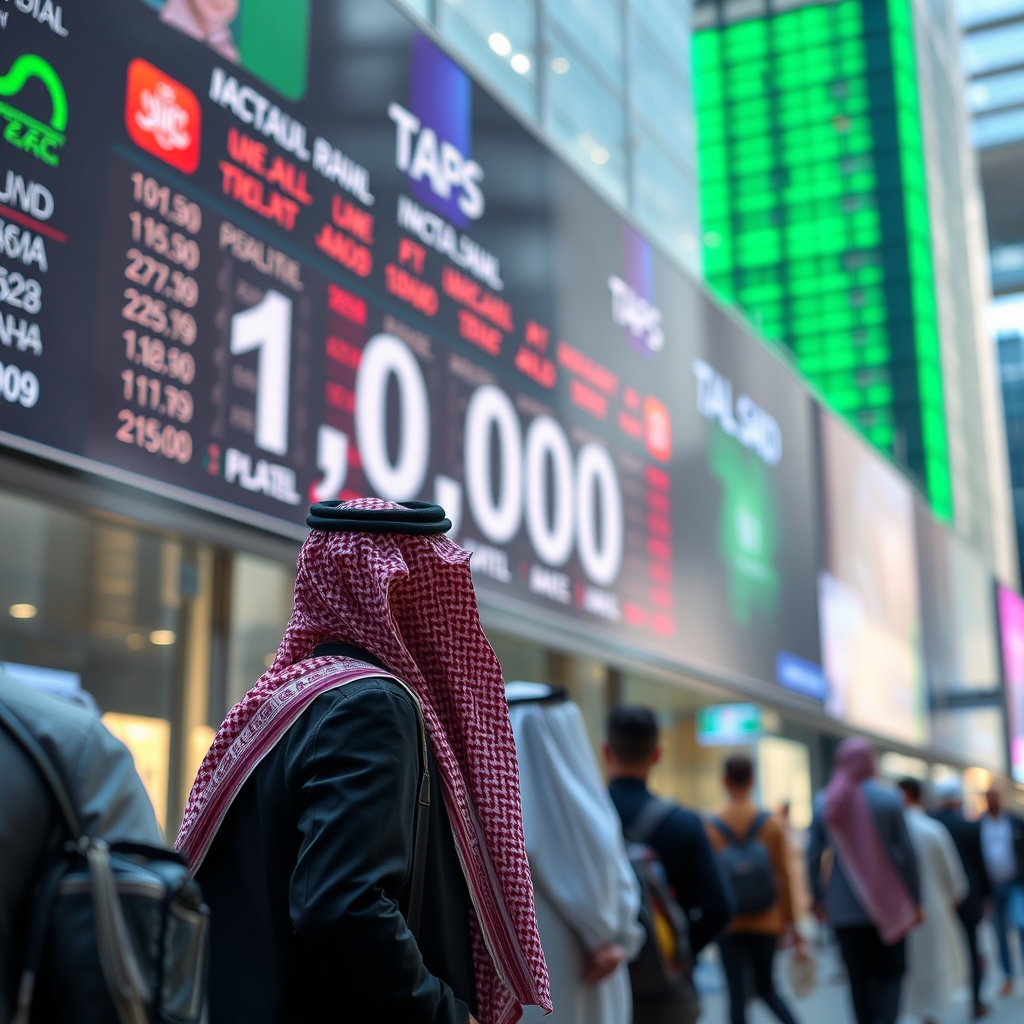
The Tadawul stock market closed marginally lower as Saudi Arabia's bourse retreated. Here's what the dip means for Gulf investors and regional markets.
Saudi Arabia’s Tadawul exchange closed slightly lower in its latest session, with the main index retreating marginally as selling pressure outweighed buying interest across several key sectors. The dip was modest, but it signals a cautious mood among traders watching broader regional and global economic cues.
What Happened on the Saudi Bourse?
The Tadawul All Share Index edged down at the close, wrapping up a session defined by restrained trading activity. No single sector dominated the decline; instead, the retreat appeared broad-based, reflecting a general pullback rather than a targeted sell-off in any one industry.
Volumes remained measured, suggesting investors are holding positions rather than making aggressive moves. That kind of caution often precedes a consolidation phase, where the market trades sideways before picking a clearer direction.
Why Do Small Moves on Tadawul Matter?
Tadawul is the largest stock exchange in the Arab world by market capitalisation. Even marginal moves carry weight, because the index serves as a bellwether for investor sentiment across the entire Gulf Cooperation Council region. When Tadawul softens, traders on the Dubai Financial Market, Abu Dhabi Securities Exchange, and Kuwait Boursa often take notice and adjust their own positions accordingly.
For UAE-based investors with exposure to Saudi equities, either directly or through regional funds, a retreating Tadawul is a data point worth tracking. The interconnected nature of Gulf capital markets means no bourse operates in isolation.
Why It Matters for the Gulf
Saudi Arabia’s Vision 2030 programme has drawn significant foreign institutional money into the kingdom, raising the profile of Tadawul well beyond regional borders. International funds that track emerging market indices hold Saudi equities, so sustained weakness on the bourse can trigger outflows that ripple across the GCC.
Oil price sentiment also plays a role. Saudi Arabia remains the world’s largest crude exporter, and any shift in energy markets tends to feed directly into investor confidence on Tadawul. A day of marginal losses does not indicate a trend, but it does remind market participants that the index remains sensitive to external shocks, from Federal Reserve rate decisions to OPEC output signals.
How Does Tadawul Compare to Other Gulf Exchanges?
| Exchange | Country | Regional Significance |
|---|---|---|
| Tadawul (TASI) | Saudi Arabia | Largest Arab bourse by market cap |
| Abu Dhabi Securities Exchange (ADX) | UAE | Second largest in the GCC |
| Dubai Financial Market (DFM) | UAE | Key hub for real estate and banking stocks |
| Kuwait Boursa | Kuwait | Strong financial and telecom sector listings |
| Qatar Stock Exchange (QSE) | Qatar | Energy-heavy index with LNG exposure |
What Should Gulf Investors Watch Next?
Near-term direction on Tadawul will likely hinge on global risk appetite and any fresh guidance from Saudi Aramco, the index’s most heavily weighted constituent. Earnings season updates, central bank commentary from the US and Europe, and oil inventory data out of the United States all feed into the Saudi market’s next move.
Retail investors in the UAE who access Saudi equities through brokerage platforms should monitor support levels on the TASI chart. A failure to hold key technical floors could invite further selling, while a stabilisation above recent lows would reassure bulls that the pullback is temporary.
For now, the session’s marginal decline reads more as a pause than a reversal. Markets rarely move in straight lines, and a single down day on a major regional exchange rarely tells the whole story.
For a full breakdown of the session’s performance, read the original report.
Disclaimer: This article is for informational purposes only and does not constitute financial or investment advice. Always consult a qualified financial adviser before making investment decisions.
Do you think the Tadawul’s marginal retreat signals broader caution in Gulf markets, or is this a simple breather before the next rally? Share your take in the comments below.

Related Posts

Stay Informed With the Latest & Most Important News
Previous Post
Next Post








Advertisement

-
 01UAE Team Emirates Stays Close in UCI Rankings Thanks to Tuckwell
 -
 02UAE E-Commerce Trends 2026: Why the Market Moves Fast
 -
 03Dubai Summer Surprises 2026: Full Arab Concert Lineup
 -
 04Sheikh Mohamed at G7: UAE Pledges Global Stability Role
 -
 05Windshield Sunshade in UAE Heat: Does It Actually Work?
 -
 06UAE Stocks Rally as Iran Ceasefire Talks Lift Gulf Markets
 -
 07Gulf Investors Blocked by European Rules, Saudi PIF Warns