













Now Reading: UAE Hits 49.4°C: What to Expect as Peak Summer Arrives
-
01
UAE Hits 49.4°C: What to Expect as Peak Summer Arrives
UAE Hits 49.4°C: What to Expect as Peak Summer Arrives
Advertisement

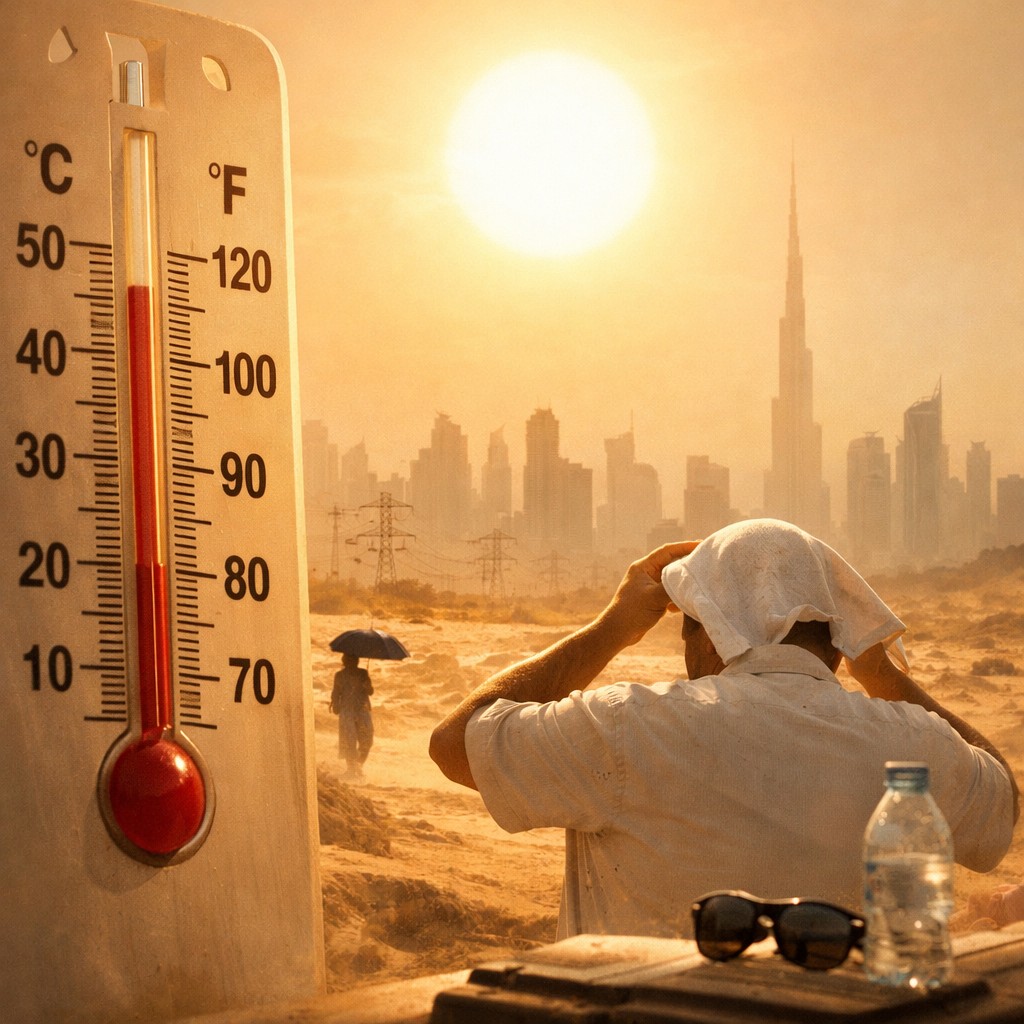
UAE records its highest temperature of 49.4°C as peak summer approaches. Find out which regions are hottest and how to stay safe in the extreme heat.
The UAE has logged its highest temperature of the year so far, with the mercury hitting 49.4°C before the country even reaches the peak of summer. The reading signals that the most intense heat weeks are still ahead, prompting health and safety reminders for residents and outdoor workers across the Emirates.
Where Did UAE Record 49.4°C?
The reading was recorded at a weather station in the UAE’s interior, according to the original report by Khaleej Times. Inland areas, particularly those away from the moderating influence of the Arabian Gulf coast, routinely see temperatures several degrees higher than cities like Dubai and Abu Dhabi.
Is 49.4°C Unusual for the UAE?
Not entirely, but the timing matters. This reading arrived before the country hits its traditional peak heat window, which typically falls in July and August. Temperatures above 48°C in inland desert zones are recorded most summers, yet crossing the 49°C threshold this early in the season is a marker worth watching.
UAE Temperature Snapshot: A Quick Reference
| Zone | Typical Summer Peak | Notes |
|---|---|---|
| Inland desert (Liwa, Al Ain) | 47°C – 50°C+ | Driest, highest recorded readings |
| Dubai / Abu Dhabi city | 42°C – 46°C | Coastal humidity adds to heat stress |
| Northern Emirates | 40°C – 44°C | Slightly cooler, occasional sea breeze |
Why It Matters for the Gulf
For the UAE and the broader Gulf region, extreme heat is not a novelty, but it is an escalating operational and public health challenge. Construction workers, delivery riders, agricultural laborers and others who work outdoors face the highest risk. The UAE enforces a midday outdoor work ban, typically running from 12:30 pm to 3:00 pm during the summer months, specifically to protect this workforce.
Beyond worker safety, extreme temperatures strain the national power grid. Air conditioning demand spikes, and authorities regularly urge households and businesses to reduce unnecessary electricity consumption during peak afternoon hours. Water consumption also climbs sharply, putting pressure on desalination capacity.
How to Stay Safe When Temperatures Hit 49°C
Health authorities consistently repeat the same core advice, and it bears repeating when records are broken. Hydrate before you feel thirsty. Avoid direct sun between late morning and late afternoon. Never leave children or pets in parked vehicles, even for a few minutes.
Signs of heat exhaustion include heavy sweating, weakness, cold or pale skin, a fast but weak pulse, nausea and fainting. Heat stroke is the more dangerous escalation: skin becomes hot and red, the pulse rapid and strong, and the person may lose consciousness. Both require immediate action. Move to shade or air conditioning, apply cool water to the skin and call for medical help if symptoms are severe.
What Comes Next as Summer Peaks
Meteorologists at the National Centre of Meteorology forecast continued high temperatures through July and into August, the historically hottest stretch of the year. Humidity along the coast will make conditions feel even more oppressive than the raw temperature figure suggests. Dust haze is also likely during this period, reducing air quality and visibility across parts of the country.
Residents planning any outdoor activity, from morning runs to weekend camping in the desert, should check the NCM app daily and adjust plans around the forecast. Early morning, before 7 am, remains the safest window for exercise outdoors.
Disclaimer: Health information in this article is for general awareness only and does not substitute professional medical advice. Consult a qualified healthcare provider for personal health concerns.
With peak summer still weeks away, do you think the UAE needs to expand its outdoor work ban hours, or are current protections enough? Share your thoughts in the comments below.

Stay Informed With the Latest & Most Important News
Previous Post
Next Post






Advertisement

-
 01UAE Team Emirates Stays Close in UCI Rankings Thanks to Tuckwell
 -
 02UAE E-Commerce Trends 2026: Why the Market Moves Fast
 -
 03Dubai Summer Surprises 2026: Full Arab Concert Lineup
 -
 04Sheikh Mohamed at G7: UAE Pledges Global Stability Role
 -
 05Windshield Sunshade in UAE Heat: Does It Actually Work?
 -
 06UAE Stocks Rally as Iran Ceasefire Talks Lift Gulf Markets
 -
 07Gulf Investors Blocked by European Rules, Saudi PIF Warns