





Now Reading: Flight Disruption Stays Low After Iran’s Regional Strikes
-
01
Flight Disruption Stays Low After Iran’s Regional Strikes
Flight Disruption Stays Low After Iran’s Regional Strikes
Advertisement

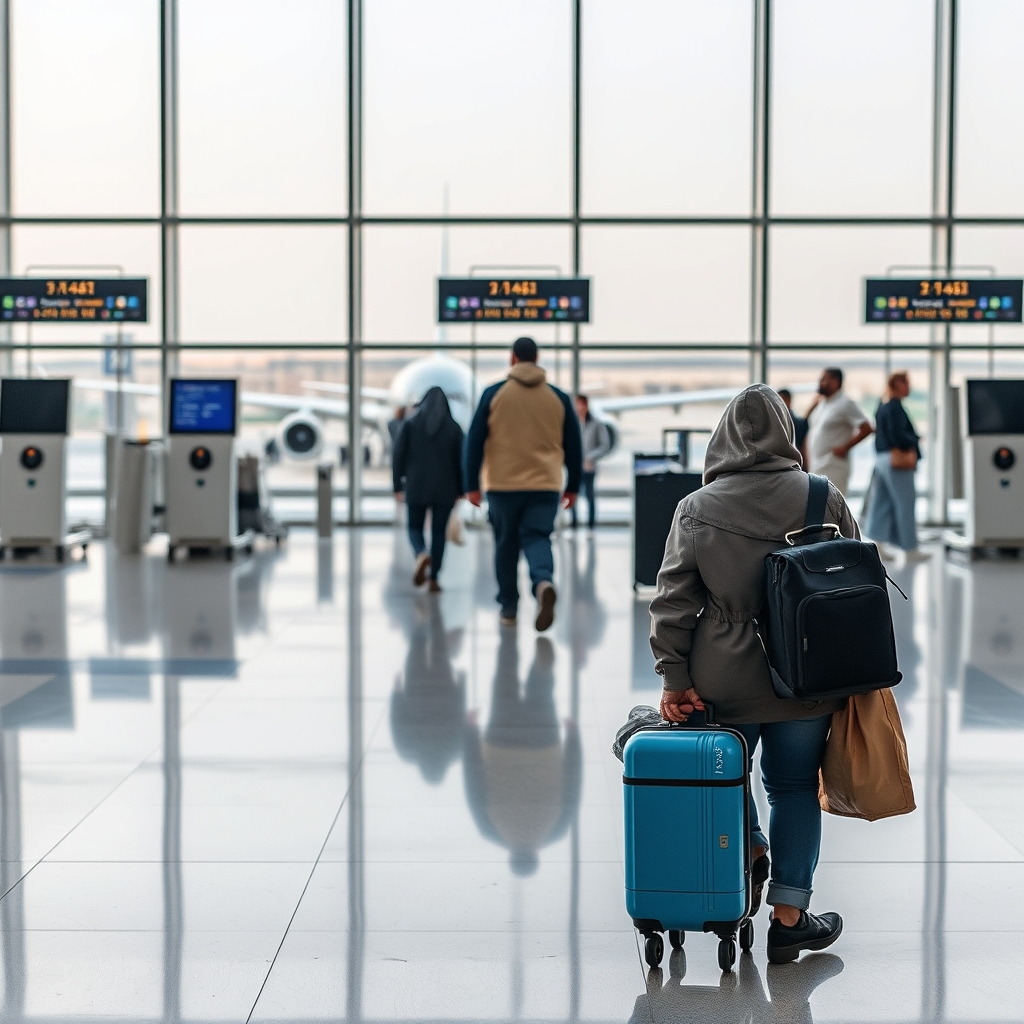
Flight disruption across the Gulf remained minimal despite Iran's attacks on regional targets. Here's what travellers need to know right now.
Despite a wave of Iranian military strikes across the Middle East, airlines operating in and out of the Gulf have reported minimal disruption to flight schedules. Passengers travelling through UAE and regional hubs faced few cancellations or significant rerouting, offering some reassurance amid heightened geopolitical tension.
What happened and how did airlines respond?
Iran launched attacks targeting multiple locations across the region, sending an immediate signal to aviation authorities and airlines to assess their exposure. Despite the scale of the strikes, the response from carriers was measured. Most airlines maintained their routes, with only selective adjustments made to airspace routing where necessary.
Aviation authorities across the Gulf moved quickly to monitor the situation, coordinating with international bodies to keep commercial corridors open. The speed of that coordination helped prevent the kind of mass cancellations seen during previous regional flare-ups.
Which routes or airports were affected?
The disruption that did occur was concentrated in airspace closer to the conflict zones. Airlines altered flight paths to maintain safe distances, adding modest time to certain journeys. Gulf carriers, including those operating out of Dubai, Abu Dhabi and Doha, largely kept to their published timetables.
Passengers on routes that transit sensitive airspace were the most likely to notice changes, primarily in the form of slightly longer flight times rather than cancellations or diversions.
Why it matters for the Gulf
The UAE sits at the centre of one of the world’s busiest aviation networks. Dubai International Airport alone handles tens of millions of passengers a year, and any prolonged disruption ripples through tourism, trade and business travel across the entire region.
The fact that operations held steady this time is significant. It points to improved coordination between airlines, national aviation bodies and international regulators, all of whom have invested heavily in crisis protocols since the airspace incidents of recent years.
For Gulf residents who travel frequently, either for work or leisure, this resilience matters. It signals that the region’s aviation infrastructure is better prepared to absorb geopolitical shocks without grinding to a halt.
How does this compare to past regional incidents?
| Incident | Level of disruption | Key impact |
|---|---|---|
| 2020 US-Iran tensions | High | Major airspace closures, mass rerouting |
| 2019 Gulf of Oman incidents | Moderate | Airlines issued warnings, rerouted selectively |
| Current Iran strikes | Low | Minimal cancellations, limited rerouting |
What should travellers do now?
Passengers with upcoming flights through the region should check directly with their airline for the latest route information. Travel insurance policies that cover disruption due to conflict or airspace closures are worth reviewing before any trip involving Middle East transit points.
Aviation analysts suggest the situation remains fluid. A further escalation could shift the picture quickly, so staying informed through official airline channels is the most practical step anyone travelling in the region can take right now.
For the full breakdown of how carriers and aviation authorities managed the response, see the original report from The National News.
Disclaimer: This article covers a developing geopolitical situation. Circumstances may change rapidly; readers should consult official sources and their airline before making travel decisions.
If you have a flight through the region in the coming days, are you confident enough to travel as planned, or are you waiting to see how the situation develops? Share your thoughts in the comments below.

Related Posts


Stay Informed With the Latest & Most Important News
Previous Post
Next Post





Advertisement

-
 01Sheikh Mohamed at G7: UAE Pledges Global Stability Role
 -
 02UAE Team Emirates Stays Close in UCI Rankings Thanks to Tuckwell
 -
 03UAE Stocks Rally as Iran Ceasefire Talks Lift Gulf Markets
 -
 04Gulf Investors Blocked by European Rules, Saudi PIF Warns
 -
 05UAE Tourism 2025: UK Lifts Warning as Hotels and Flights Boom
 -
 06Windshield Sunshade in UAE Heat: Does It Actually Work?
 -
 07Working on a Public Holiday in UAE: Know Your Rights